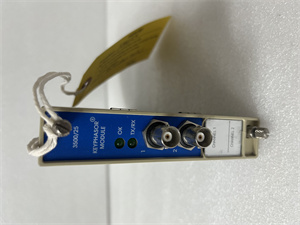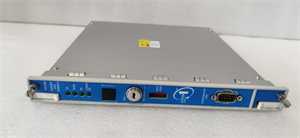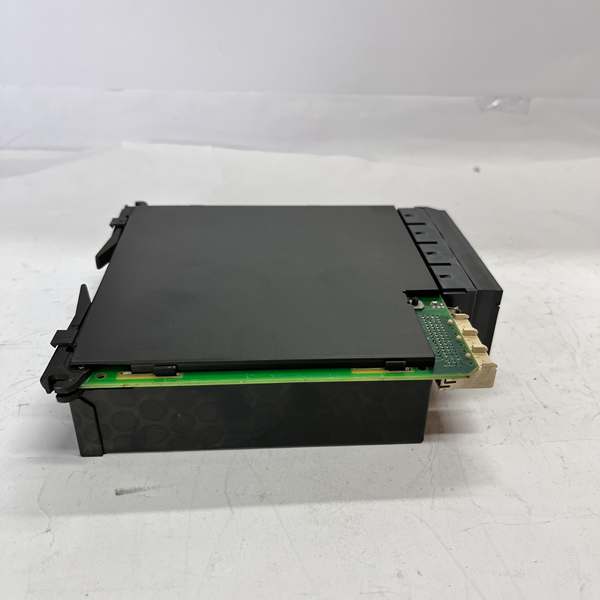
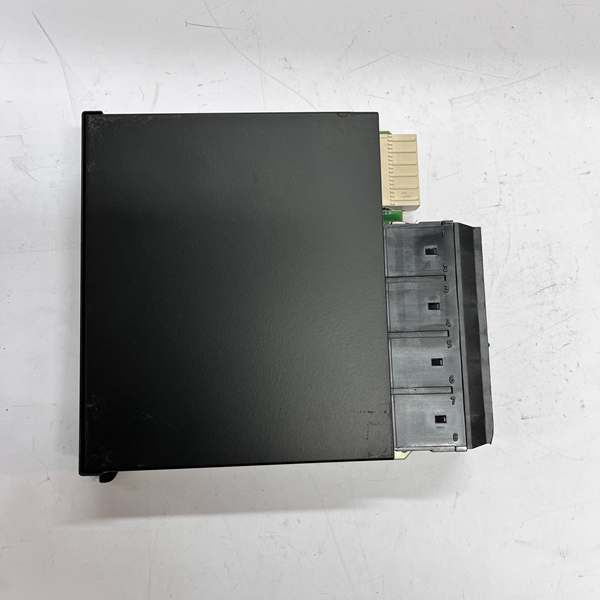
Description
Hard-Numbers: Technical Specifications
- Fiber Port Count: 2 × multimode ST fiber connectors
- Optical Wavelength: 820nm infrared multimode laser
- Max Fiber Distance: 2 kilometer with 62.5/125μm multimode cable
- Data Transfer Rate: 100Mbps fiber throughput, high-speed UR backplane interface
- Supported Protocols: UR proprietary inter-relay protocol, GOOSE, peer sync signaling
- Operating Temperature: -40°C to +70°C continuous cabinet operation
- Isolation Rating: 2500Vrms galvanic isolation between fiber circuits and backplane
- Power Draw: 4.3W maximum, powered entirely from UR chassis backplane
- Hot Swap Rating: Live insertion/removal capable for in-service maintenance
- Heat Dissipation: Passive convection cooling, no onboard fans
The Real-World Problem It Solves
Copper ethernet and serial cabling suffers from heavy EMI and ground potential differences inside switchgear and power plant bays. Unisolated copper links create data corruption, random link drops, and false logic trips.
Where you’ll typically find it:
- Medium voltage substation relay cabinets with short inter-bay cable runs
- Combined-cycle power plant protection racks near high-current switchgear
- Industrial refinery switchgear lineups with high electrical noise environments
Bottom line: It removes copper-borne interference entirely and cuts costly external fiber converter hardware from standard relay layouts.
Hardware Architecture & Under-the-Hood Logic
runs on a dedicated onboard communication processor separate from the main relay CPU. All optical transceivers feature full galvanic isolation to block backplane voltage transients.
- Incoming optical fiber signals convert to digital logic via onboard multimode transceivers.
- Local processor filters noise, validates frame integrity, and buffers outbound messaging.
- Processed communication data transfers across the high-speed UR backplane to the host relay.
- Trip logic, timing sync, and GOOSE commands package for transmission to remote UR fiber modules.
- Onboard diagnostics track optical power levels, link health, and transceiver fault status at all times.
Field Service Pitfalls: What Rookies Get Wrong
Mismatched Fiber Cable TypesTechs routinely patch single-mode fiber into ports. Low optical power results in constant link flapping and unlogged communication errors.
- Field Rule: Only 62.5/125μm or 50/125μm multimode fiber is approved; single-mode cable will not operate reliably.
Unclean Fiber TerminationsDust and cabinet grime on ST connector ends degrade light transmission over time. Degraded links trigger slow GOOSE response and delayed interlocks.
- Quick Fix: Clean all fiber termini with alcohol wipes before mating; inspect for scratches or contamination with a fiber scope.
Unmonitored Cabinet Heat BuildupStacked modules with zero side airflow raise internal temps. Sustained high heat reduces transceiver lifespan and creates intermittent optical faults.
- Field Rule: Maintain minimum 20mm side clearance between slot cards; keep cabinet intake filters clear of dust buildup.
Commercial Availability & Pricing Note
Please note: The listed price is for reference only and is not binding. Final pricing and terms are subject to negotiation based on current market conditions and availability.