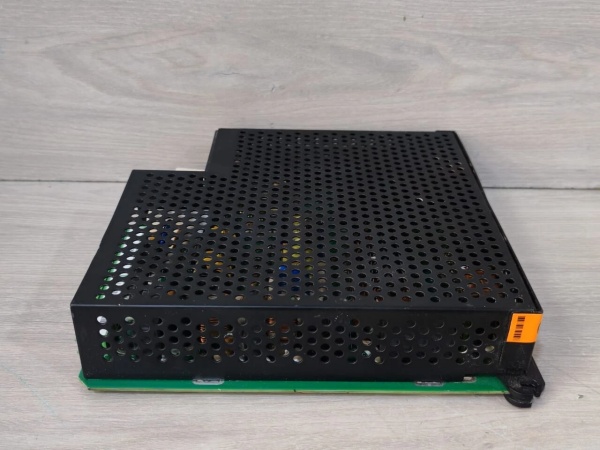
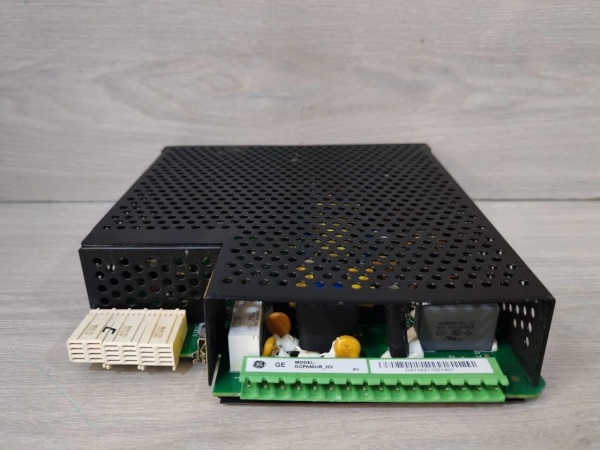
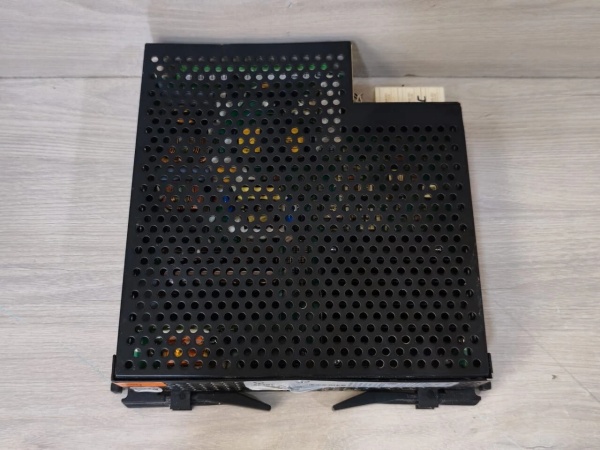
Description
Hard-Numbers: Technical Specifications
- Rated Voltage: 57.7 V to 277 V L-N, 100 V to 480 V L-L (programmable)
- Input Frequency: 50 Hz or 60 Hz (selectable)
- Voltage Differential Setting: 0.1% to 20% of nominal (programmable)
- Phase Angle Setting: 0° to 60° (programmable)
- Frequency Slip Setting: 0.01 Hz to 10 Hz (programmable)
- Operating Time: 0 to 600 seconds (adjustable timer delay)
- Contact Rating: 10 A @ 250 VAC (normally open or normally closed)
- Operating Temperature: -40°C to 70°C (-40°F to 158°F)
- Storage Temperature: -55°C to 85°C (-67°F to 185°F)
- Power Supply: 24-250 VDC or 48-277 VAC (wide-range)
- Isolation: 2500V RMS input-to-output
- Compliance: IEC 60255, IEEE C37.2, ANSI/IEEE C37.90

UR-SHA
The Real-World Problem It Solves
Paralleling generators without proper sync check causes massive torque spikes, generator winding damage, and potential breaker explosions. The UR-SHA continuously monitors voltage differential, phase angle, and frequency slip, blocking breaker closure until conditions are within safe limits.
Where you’ll typically find it:
- Generator paralleling control panels (utility tie, generator-to-generator)
- Bus transfer schemes for emergency power systems
- Substation reclosing applications requiring synchronization verification
Bottom line: It prevents generator paralleling disasters by enforcing strict sync parameters before breaker closure.
Hardware Architecture & Under-the-Hood Logic
The UR-SHA is an optional element that plugs into the UR Series relay platform (UR-6M, UR-6L, or UR-9 chassis). The sync check function runs on the relay’s main DSP processor, with dedicated analog-to-digital conversion for voltage inputs. The relay compares two voltage sources—typically V1 (bus) and V2 (incoming generator)—and calculates differential voltage, phase angle difference, and frequency slip rate. All three parameters must remain within programmed limits for the sync check output to energize.
Signal flow:
- Two voltage inputs (V1, V2) applied to relay terminals
- Signal passes through anti-aliasing filters and isolation transformers
- ADC converts analog voltages to digital values
- DSP calculates voltage differential magnitude
- DSP calculates phase angle difference via zero-crossing detection
- DSP calculates frequency slip (df/dt) via rate-of-change algorithm
- All three parameters compared against programmed thresholds
- Output contact energizes only when all parameters within limits for set time
- Trip output activates immediately if any parameter exceeds threshold
- Event recorder logs all sync events with time stamps and values
UR-SHA
Field Service Pitfalls: What Rookies Get Wrong
Incorrect VT wiring creates voltage measurement errorsSync check relays are wired to VT secondaries. I’ve seen technicians reverse polarity or swap phases, causing the relay to see false phase angle differences and block paralleling indefinitely.
- Field Rule: Verify VT wiring polarity and phase rotation before energizing. Use a phase rotation meter to confirm A-B-C sequence matches V1 and V2 sources. Test with both sources at zero load (no slip) to confirm zero degrees phase angle reading. Document VT secondary values and connections in your relay settings file.
Setting phase angle too tight causes endless blockingNew technicians often set phase angle to 5° or less, thinking tighter is safer. This causes the relay to block paralleling even when the generator is perfectly within acceptable slip range, leading to failed tie operations.
- Field Rule: Set phase angle to 10°-15° for utility paralleling. For generator-to-generator paralleling, 20°-30° is acceptable if mechanical inertia permits. Always coordinate settings with generator OEM recommendations. Test with actual paralleling event during commissioning—observe phase angle at breaker closure.
Ignoring voltage differential during load rejectionWhen a generator loads up, voltage dips. I’ve seen sync check relays block paralleling because voltage differential threshold was set too tight (2%), preventing load transfers during transients.
- Field Rule: Set voltage differential to 5%-10% for utility paralleling. Use a wider setting (up to 15%) for weak buses or heavy load transfer scenarios. Monitor voltage differential during actual paralleling events and adjust if necessary. Document final settings with commissioning test results.
Forgotten to enable dead bus modeSome applications require paralleling to a dead bus (black start). I’ve seen technicians leave dead bus mode disabled, preventing generators from starting an isolated system.
- Field Rule: Enable dead bus mode in relay settings if your application requires black start. Configure dead bus voltage threshold (typically < 30% nominal) and disable sync check when bus is dead. Test dead bus paralleling during commissioning—close breaker with incoming generator only. Document dead bus enabling in your operating procedures.
Overlooking timer delay causes nuisance tripsThe timer delay adds intentional dwell time before sync check output energizes. I’ve seen operators set timer to 0 seconds, causing premature closure before sync is stable, or set too long, missing the sync window entirely.
- Field Rule: Set timer delay to 0.5-2.0 seconds for utility paralleling. For generator-to-generator with high inertia, use 2-5 seconds. Test with varying slip rates to verify the timer captures the sync window without delaying beyond acceptable limits. Document timer setting with justification in your relay settings file.
Commercial Availability & Pricing Note
Please note: The listed price is for reference only and is not binding. Final pricing and terms are subject to negotiation based on current market conditions and availability.