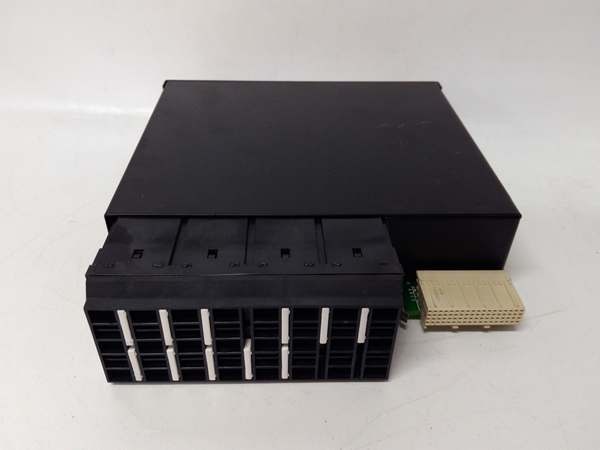
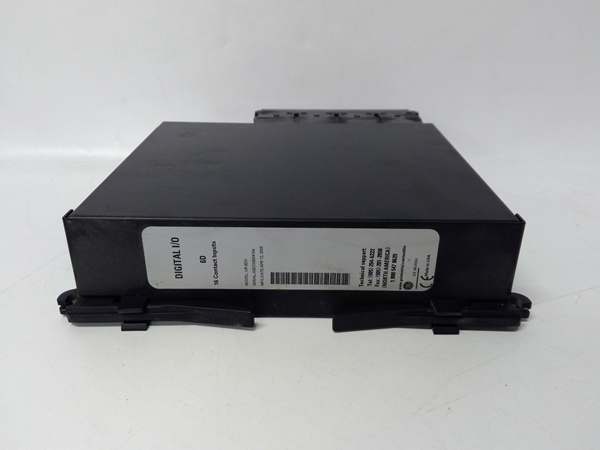
Description
Hard-Numbers: Technical Specifications
- Communication Ports: 2 × (Fiber SC/ST + Electrical Ethernet 10/100Base‑T)
- Protocols: IEC 61850 (MMS/GOOSE), DNP3, Modbus TCP/IP, IEC 60870‑5‑103
- Data Rate: 10/100 Mbps auto‑negotiate
- Backplane Interface: UR high‑speed backplane, 2 Gbps throughput
- Isolation Rating: 2500Vrms field‑to‑backplane
- Operating Temperature: -40°C to +70°C continuous
- Power Draw: 4.8W max, backplane powered
- Form Factor: Standard UR slot, hot‑swap capable
- Redundancy: Supports PRP/HSR for seamless redundant networks
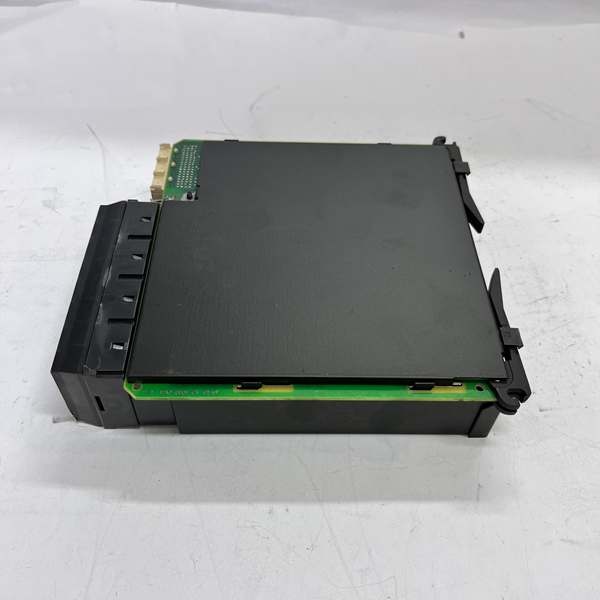
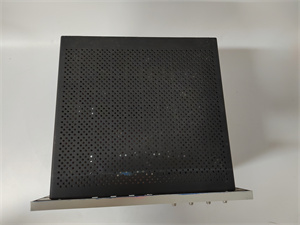
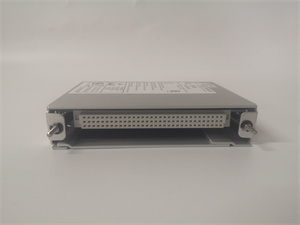
GE UR6DH
The Real-World Problem It Solves
Substations with multiple UR relays need fast, reliable peer‑to‑peer links. Hardwired I/O is slow, bulky, and prone to noise; legacy serial links lack bandwidth for modern protection.
Where you’ll typically find it:
- Transmission substations with 5–20 UR relays (line, transformer, bus protection)
- Smart grid IEC 61850 process bus and station bus networks
- Combined‑cycle plants integrating generator, switchgear, and balance‑of‑plant relays
Bottom line: It replaces hundreds of control wires with a single fiber link, cutting wiring time by 70% and enabling GOOSE‑speed tripping.
Hardware Architecture & Under-the-Hood Logic
UR-77H has a dedicated 32-bit communication processor, independent of the relay’s main CPU. All external ports are galvanically isolated from the backplane.
- Fiber/copper ports receive Ethernet frames; PHY chips handle encoding/decoding.
- Onboard processor filters, prioritizes, and routes messages (GOOSE, MMS, DNP3).
- High‑speed backplane interface exchanges data with local UR relay CPU.
- Peer‑to‑peer GOOSE messages broadcast to other UR77H modules in the substation.
- Redundancy logic (PRP/HSR) auto‑switches paths if a fiber or port fails.
Field Service Pitfalls: What Rookies Get Wrong
Mismatched Fiber TypesNew techs mix multi‑mode and single‑mode fiber; link stays down or drops packets under load.
- Field Rule: Use 62.5/125 μm multi‑mode (for <2 km) or 9/125 μm single‑mode (for >2 km); never splice different types.
Ignoring Port IsolationTechs connect unisolated switches directly to UR-77H electrical ports. Ground loops cause corruption and random relay resets.
- Field Rule: Always use isolated Ethernet switches between UR77H and non‑isolated SCADA networks.
Overloading GOOSE TrafficRookies enable too many GOOSE datasets; latency spikes, and trips get delayed.
- Quick Fix: Limit each to 20–30 GOOSE messages; prioritize trip/interlock over non‑critical data.
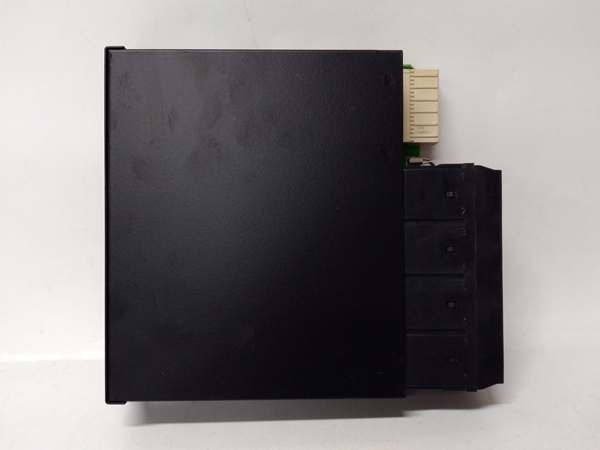
GE UR6DH
Commercial Availability & Pricing Note
Please note: The listed price is for reference only and is not binding. Final pricing and terms are subject to negotiation based on current market conditions and availability.