Description
Hard-Numbers: Technical Specifications
- Protocol Support: Modbus RTU, RS485 serial field communication
- Port Count: 1 × RS485 comm port, integrated local LCD/keypad HMI
- CT Secondary Rating: 5A standard current transformer input
- Operating Temperature: -20°C to +70°C enclosed cabinet duty
- Isolation Rating: 2000Vrms isolation between field circuits and control logic
- Power Draw: 14VA maximum continuous power consumption
- Contact Rating: 5A resistive trip/alarm form-C outputs
- Fault Sampling: 64 samples per AC cycle for fast transient detection
- Data Storage: Onboard event logs, fault records, and thermal trend data
- Mount Style: Panel cutout mount, standard industrial footprint
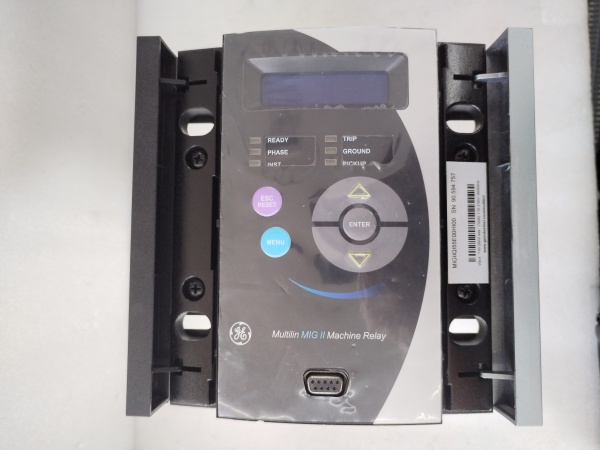
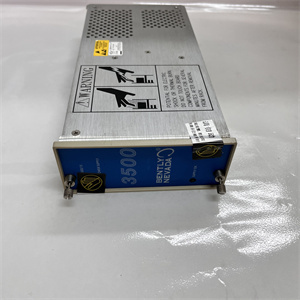
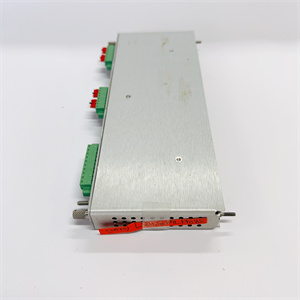
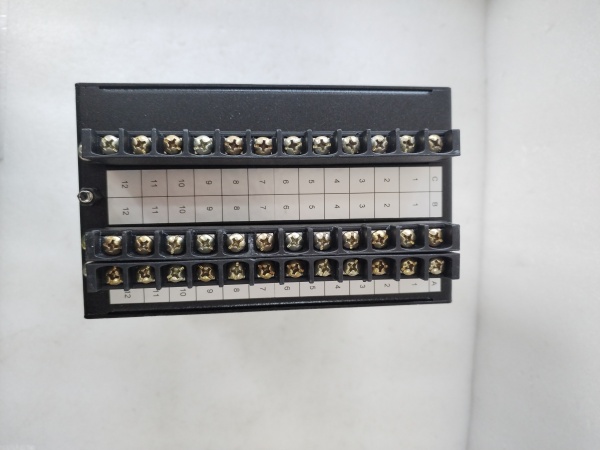
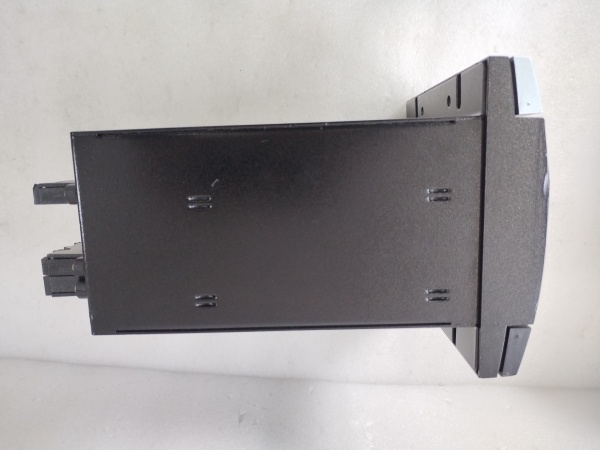
GE MIGIIQI55E00HI00
The Real-World Problem It Solves
Generators see unbalanced loads, winding degradation, and intermittent ground faults that mechanical relays cannot catch. This electronic relay tracks thermal buildup and phase imbalance 24/7 to stop winding burnout.
Where you’ll typically find it:
- Cogeneration plant generator control panels
- Refinery islanded power generation assemblies
- Municipal utility small turbine and gen-set houses
Bottom line: It adds adjustable, documented protection settings to prevent costly generator winding damage during off-nominal operating conditions.
Hardware Architecture & Under-the-Hood Logic
This unit runs standalone protection logic via an onboard microcontroller. All signal conditioning is isolated to block plant noise and ground differential voltage.
- Three-phase CT and VT inputs feed isolated low-noise signal conditioning boards.
- High-speed ADC converts live AC waveforms into digital measurement values.
- Embedded firmware runs overcurrent, earth fault, and thermal overload algorithms.
- Trip and alarm outputs actuate when measured values exceed programmed setpoints.
- Time-stamped fault and event data store locally for post-trip diagnostics and audit.
Field Service Pitfalls: What Rookies Get Wrong
Parallel CT Secondary LoopsJunior techs tie multiple generator relays to a single CT circuit. Excess burden lowers accuracy and creates false current imbalance alarms.
- Field Rule: Run dedicated, independent CT secondary wiring for each protection relay; use shorting terminals during maintenance.
RS485 Bus Termination NeglectSkipping end-of-line termination causes signal reflection. DCS loses intermittent relay data with no visible relay fault LEDs.
- Quick Fix: Install 120Ω termination resistor at the farthest bus device; disable termination on mid-panel units.
Unmonitored Panel Ambient HeatSealed, unventilated panels push relay internal temps upward. Long-term heat shifts calibration and slows trip response over years.
- Field Rule: Keep cabinet intake filters clean; maintain side clearance to prevent heat trapping around panel-mounted relays.
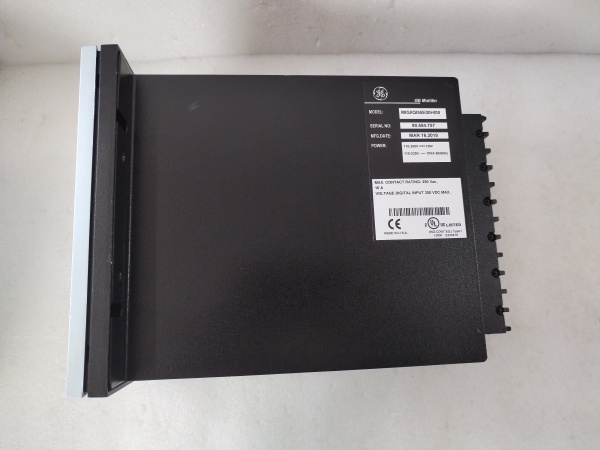
GE MIGIIQI55E00HI00
Commercial Availability & Pricing Note
Please note: The listed price is for reference only and is not binding. Final pricing and terms are subject to negotiation based on current market conditions and availability.