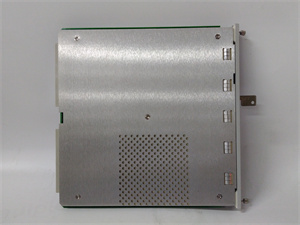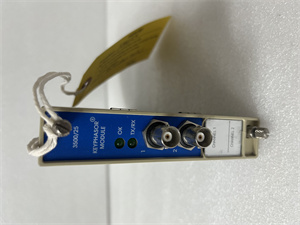
Description
Hard-Numbers: Technical Specifications
- Protocol Support: Modbus RTU, RS485 serial communication
- Port Count: 1 × RS485 terminal port, local HMI keypad/LCD interface
- CT Input Rating: 5A nominal secondary current input
- Operating Temperature: -20°C to +70°C continuous cabinet operation
- Isolation Rating: 2000Vrms surge isolation between control and power circuits
- Power Draw: 12VA maximum operating consumption
- Trip Contacts: Form-C dry contact outputs, 5A resistive rating
- Sampling Rate: 64 samples per cycle for precise fault detection
- Memory Storage: Onboard fault event logs and disturbance recording
- Enclosure Rating: IP20 front panel, cutout mount design
The Real-World Problem It Solves
Older electromechanical relays have slow trip times, no event logging, and zero tolerance for modern harmonic-rich load profiles. This solid-state unit cuts fault reaction delay and records every transient that trips gear offline.
Where you’ll typically find it:
- Power plant auxiliary LV/MV distribution boards
- Refinery process unit feeder control cabinets
- Industrial substation rack and panel protection assemblies
Bottom line: It replaces outdated mechanical protection hardware with traceable, adjustable trip logic to cut unplanned downtime.
Hardware Architecture & Under-the-Hood Logic
This relay uses a dedicated onboard microprocessor and isolated analog front end. It operates independent of external controllers, running all protection logic locally without network reliance.
- Three-phase current and voltage inputs pass through isolated CT/VT signal conditioning.
- High-speed ADC converts raw AC waveforms to digital data for constant measurement.
- Firmware protection algorithms compare real-time values against user-set threshold parameters.
- Internal logic triggers contact outputs for breaker trip or alarm when limits are exceeded.
- All time-stamped fault data saves to non-volatile memory for post-fault root cause review.
Field Service Pitfalls: What Rookies Get Wrong
Unfiltered CT Secondary WiringNew techs daisy-chain multiple relays on one CT loop. Added burden skews current readings and causes false overcurrent alarms under normal load.
- Field Rule: Dedicate isolated CT secondary loops per device; never parallel CT outputs without shorting blocks.
Incorrect Communication Wiring PolarityReversing RS485 +/- terminals kills bus communication. No hardware faults trigger, just silent loss of DCS point data.
- Quick Fix: Label pair terminals A/B at both ends; verify polarity with a multimeter before power-up.
Overlooked Cabinet Heat BuildupTight panel cutouts with no side airflow push internal temps high. Continuous overheating drifts trip calibration over months of service.
- Field Rule: Maintain minimum 25mm side clearance between panel devices; keep cabinet ventilation fans functional.
Commercial Availability & Pricing Note
Please note: The listed price is for reference only and is not binding. Final pricing and terms are subject to negotiation based on current market conditions and availability.