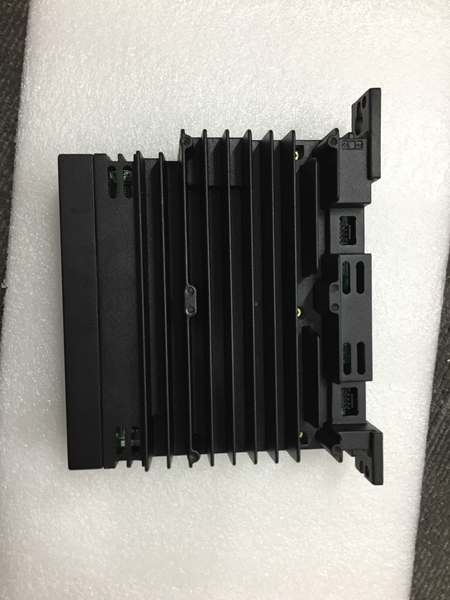
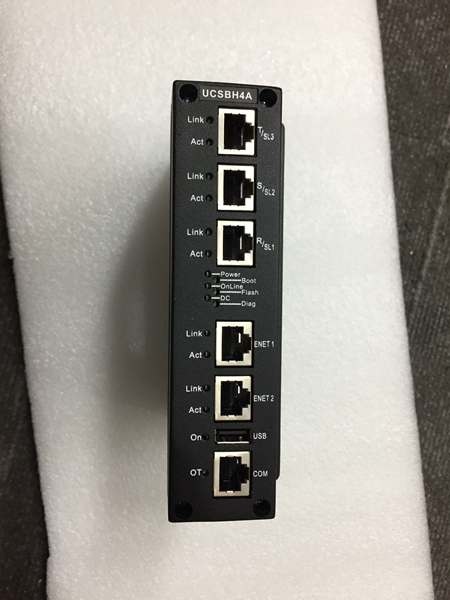
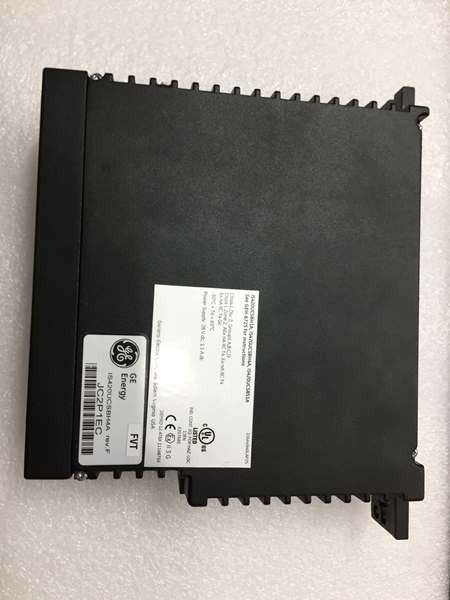
Description
-
Model Number: IS420UCSBH3A
-
Manufacturer: GE (General Electric)
-
Processor: 1.2 GHz Intel EP80579 quad-core
-
Memory: 256 MB DDR2 SDRAM (ECC), 2 GB NAND Flash
-
Operating System: QNX Neutrino RTOS
-
Power Supply: 24 VDC (18-36 V), 17 W nominal, 28.7 W peak
-
Comms: 2 × IONet (IEEE 1588 time-sync ≤ 100 µs), 10/100 Ethernet, RS-232/485
-
I/O Link: Stand-alone—no on-board I/O; talks to Mark VIe I/O packs via IONet
-
Isolation: 1.5 kV channel-to-ground (internal logic)
-
Operating Temperature: –40 °C…+70 °C
-
Dimensions: 150 × 100 × 50 mm approx., 0.5 kg
-
Protection: IP20, fan-less, aluminum heat-sink plate
-
Safety: SIL 3 capable, TMR (Triple-Modular-Redundant) ready

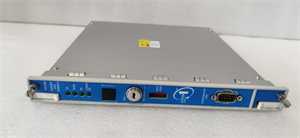
GE IS420UCSBH3A
Gas turbines hate single-point failures. A 7FA in combined-cycle duty needs a controller that can run speed-loop PID, temperature control, and protection logic while surviving 65 °C ambient inside the auxiliary enclosure. Hang an IS420UCSBH3A on the door—its 1.2 GHz quad-core keeps the 5 ms control loop flat, dual IONet ports talk to triple-redundant I/O packs, and if one CPU board dies the voter automatically masks it. I’ve used these on 50 MW peakers in west Texas: the board survived a cooling-fan failure that pushed cabinet air to 70 °C for six hours—no derate, no trip. Core value: it replaces the old Mark V CPU + comm card + power supply with one 24 V slate that boots in 3 s and gives you SIL 3 without extra safety relays.
IONet fiber polarity matters – Swap Tx/Rx and the IEEE 1588 jitter jumps above 100 µs; the TMR voter flags “Clock Fail” and you’ll cold-start. Use matched 62.5/125 µm cable and clean SC ends every time you pull them
.
24 V ripple > 2 V resets the CPU – Old battery chargers float at 29 V with 3 Vpp saw-tooth; the board browns-out at 16 V and you’ll cold-start every time the charger equalizes. Add a 4700 µF / 50 V cap across the supply studs
.
Flash write-cycle limit – QNX logs to NAND by default. After 5 years the 2 GB flash hits 50 k cycles and you can’t update firmware. Disable cyclic logs or redirect to an external SD if you want the board to last a decade
.
Heat-sink orientation matters – The fins are vertical; mount the panel flat and you block natural convection. In 50 °C ambient the die hits 95 °C and throttles to 800 MHz. Keep 100 mm clearance above the heat-sink or you’ll chase mysterious “slow scan” faults
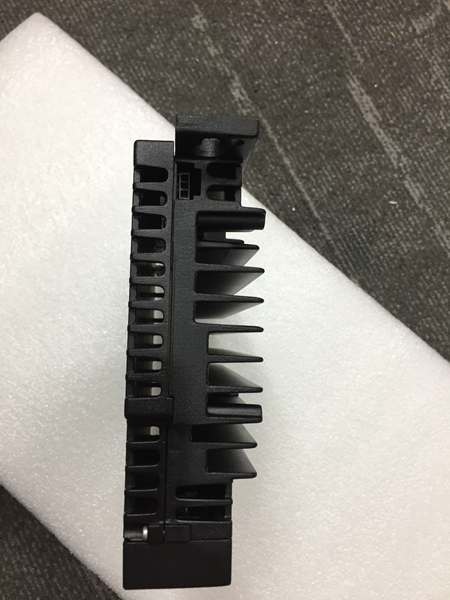
GE IS420UCSBH3A
.
The IS420UCSBH3A is essentially a PC-on-a-plate. Intel EP80579 SoC gives you four x86 cores with built-in 10/100 MAC, while the north-bridge hosts 256 MB ECC DDR2 and a 2 GB NAND flash disk. QNX Neutrino boots from flash, mounts the control application stored in a compressed image, and schedules the cyclic task at 0.15 ms if required
. Dual IONet ports run IEEE 1588 over 100BASE-FX; the FPGA-based time-stamper keeps all remote I/O packs within ±100 µs so the TMR voter can do a bit-by-bit compare. No battery, no fan, no jumpers—just 24 V and a fiber pair and the turbine is running
.