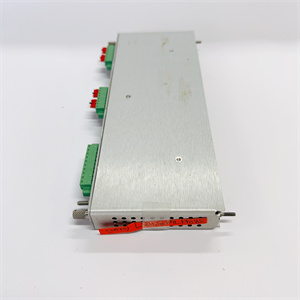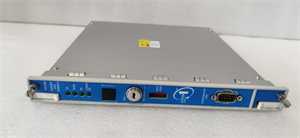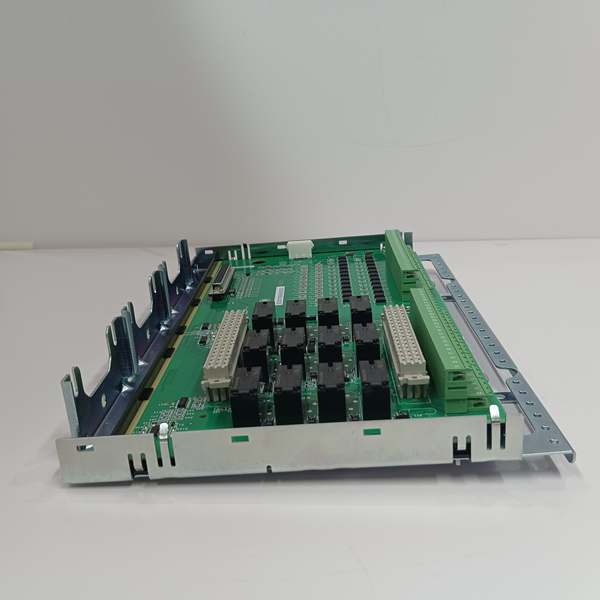
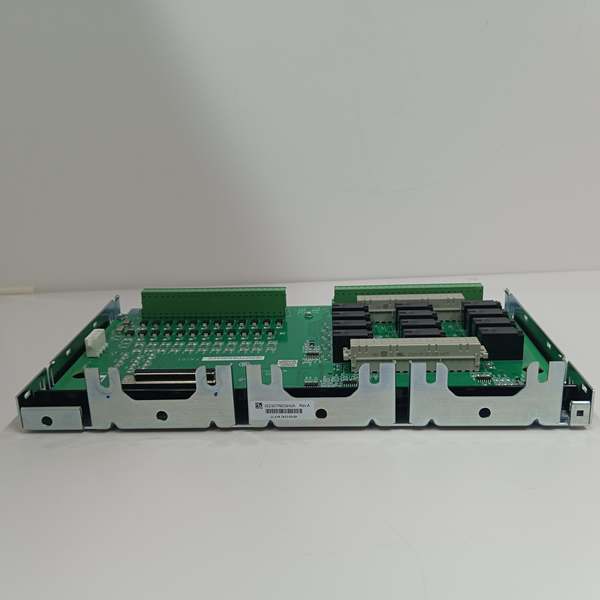
Description
Hard-Numbers: Technical Specifications
- Channels: 8× TMR vibration inputs (R/S/T triplicated)
- Signal Type: Proximity probe (eddy current) / accelerometer compatible
- Input: 4–20mA, ±24V DC; supports Bently Nevada 3300/3500 series probes
- Conditioning: On-board signal filtering, bias voltage, probe power supply
- Isolation: 2500 VDC channel-to-backplane galvanic isolation
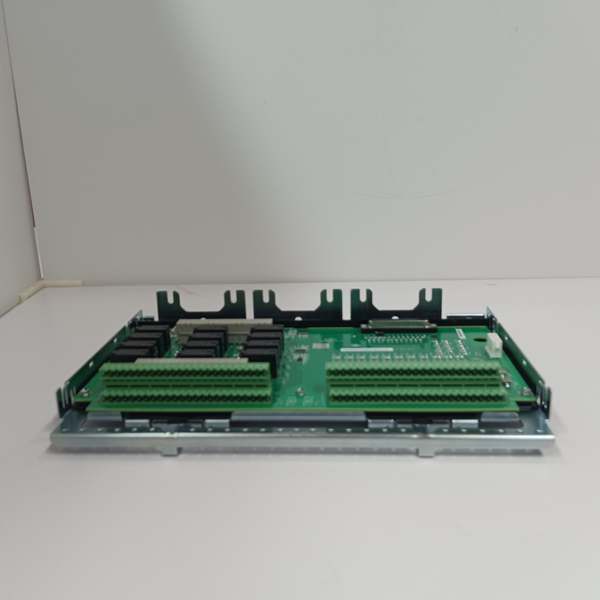
- Termination: Screw terminal blocks (14–22 AWG)
- Protection: ESD, surge, reverse polarity protection
- Backplane: 2× high-density connectors (to PVIB vibration modules)
- Operating Temp: -30°C to +65°C
- Power: 24V DC (from backplane)
- Dimensions: ~178 × 144 × 40 mm
- Weight: ~0.6 kg
- Certifications: UL, CE, Class I Div 2, ATEX, RoHS
Real-World Value & Applications
Turbine vibration is the #1 predictor of mechanical failure. Unreliable vibration signals lead to missed faults or false trips.
delivers:
- TMR redundancy: 3 independent signal paths eliminate single-point failure
- Precision conditioning: Stabilizes weak vibration signals from proximity probes
- Noise immunity: Filters EMI/RFI from plant electrical noise
- Probe power: Supplies regulated voltage to eddy current sensors
- Industrial ruggedness: For power plants, oil/gas, offshore turbines
Typical Installs:
- Mark VIe gas/steam turbine control cabinets
- Turbine shaft/bearing vibration monitoring panels
- Safety shutdown systems (vibration trip circuits)
Hardware Architecture (Under the Hood)
- Field Wiring: Proximity probes/accelerometers → input terminals
- TMR Splitting: 8 channels split into R/S/T trios → 3 PVIB modules
- Signal Conditioning: Bias voltage, filtering, probe power regulation
- Protection: TVS diodes, fusing, ESD suppression
- Backplane Connection: Direct interface to Mark VIe PVIB I/O packs
- Status LEDs: Channel active/power/error indicators for quick diagnostics
Field Service Pitfalls (What Rookies Mess Up)
1. Probe Cable Ground Loops
- Issue: Shields grounded at both ends → noisy vibration signals
- Fix: Shield ; float field end
2. Incorrect Probe Bias Voltage
- Issue: Wrong bias → no signal or saturated readings
- Rule: Set to -10V DC (standard for Bently Nevada probes)
3. Mismatched Cable Length
- Issue: Long runs (>50ft) → signal attenuation
- Fix: Use 24AWG twisted-pair shielded cable; max 100ft
4. Poor TMR Channel Labeling
- Issue: Unlabeled R/S/T → miswiring → TMR voting faults
- Fix: Mark each terminal R/S/T; continuity-test pre-power
Commercial Note
Please note: The listed price is for reference only and is not binding. Final pricing and terms are subject to negotiation based on current market conditions and availability.