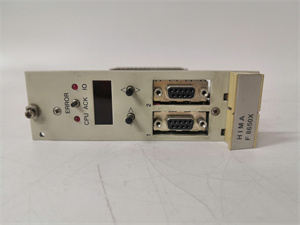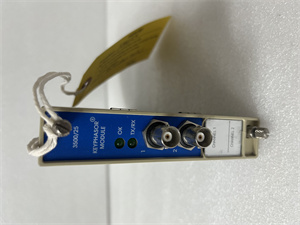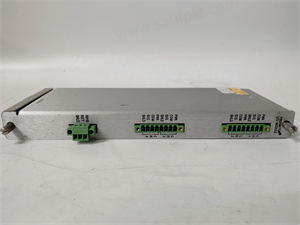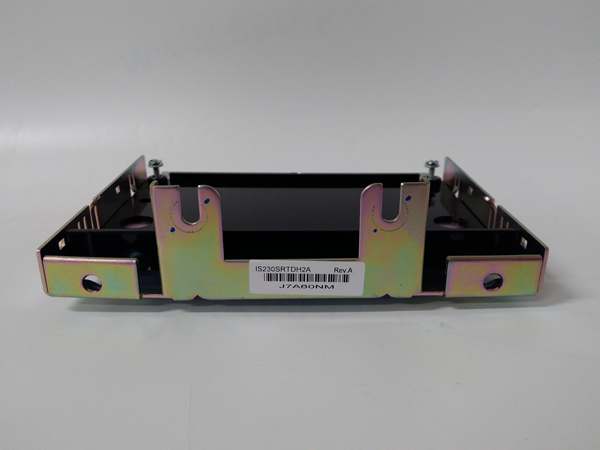
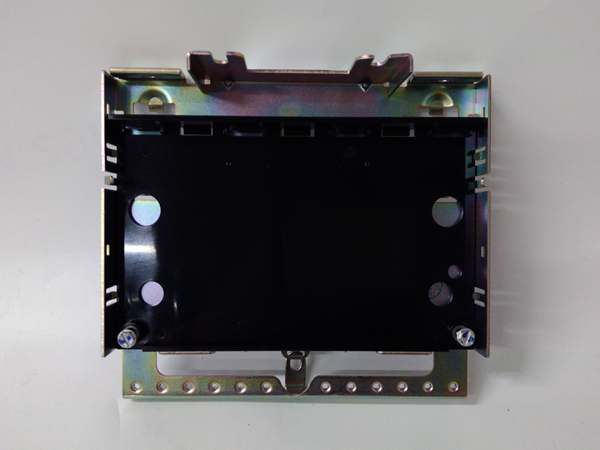
Description
Hard-Numbers: Technical Specifications
- Input Channels: 12× seismic, 12× LVDT, 24× 4-20mA, 2× magnetic pulse rate
- Output Channels: 3× 4-20mA (hardware voted), 12× 24VDC (25mA max)
- Power Input: 24VDC (18.5–32VDC floating)
- Power Draw: 12.8W max @ 24VDC
- Isolation Rating: 2500VAC field-to-backplane
- Operating Temp: -40°C to +85°C
- Terminations: 120-point pluggable euro-style
- Dimensions: 200×150×25mm
- Weight: 0.9kg (2.0lb)
- Certifications: UL, CE, Class I Div 2, ATEX Zone 2
- Protection: Per-channel over-current, thermal shutdown
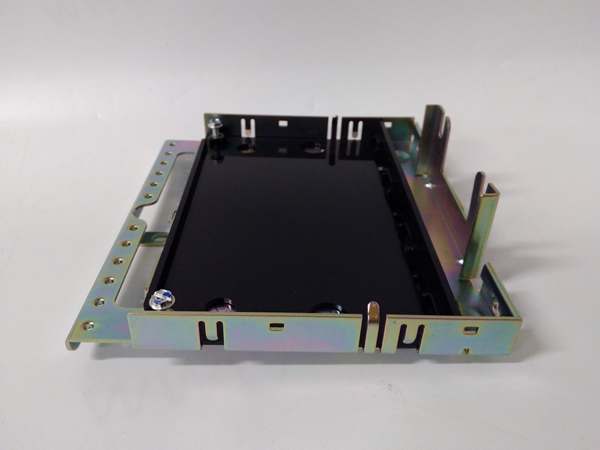
IS230STCIH6A
The Real-World Problem It Solves
Turbine control cabinets mix low-level analog signals (LVDT, seismic, 4-20mA) in high-EMI environments. Unconditioned terminations cause signal drift, ground loops, and trip faults. provides dedicated signal conditioning, isolated power, and structured termination to stabilize critical turbine sensor loops.Where you’ll typically find it:
- Gas turbine shaft displacement (LVDT) monitoring
- Turbine casing vibration/seismic surveillance
- Compressor lube oil pressure 4-20mA transmitter interfacingBottom line: eliminates signal corruption and ensures reliable PCAA module operation.
Hardware Architecture & Under-the-Hood Logic
is a passive-active hybrid terminal board with no main microprocessor. It integrates power regulation and signal conditioning directly on the termination plane.
- Field sensors wire to 120-point euro-block terminals; input types configured via jumpers.
- Dedicated 24VDC regulators power 24× 4-20mA inputs (half from TCAT, half from JGPA).
- Isolation barriers separate field grounds from backplane grounds to eliminate loops.
- LVDT/seismic signals pass through low-pass filters to remove VFD and switchgear noise.
- Conditioned signals route to PCAA modules via backplane connectors.
- Thermal sensors trigger shutdown if >85°C; over-current fuses protect individual channels.
- Front-panel LEDs indicate power, channel faults, and thermal status.
Field Service Pitfalls: What Rookies Get Wrong
Jumper Configuration ErrorsRookies mis-set input type jumpers (2/3/4-wire LVDT, 4-20mA sourcing/sinking). Results in flat readings or blown input fuses.
- Field Rule: Verify jumper settings against sensor wiring diagram before field power-up. Label each terminal block.Mixed Grounding PracticesConnecting field shields to both cabinet ground and common creates ground loops. Causes 5–15% measurement error.
- Quick Fix: Terminate cable shields only at the end; leave remote end floating.Insufficient AirflowStacking modules above/below blocks convection cooling. Overheating triggers intermittent thermal faults.
- Field Rule: Maintain 40mm vertical clearance above/below for heat dissipation.
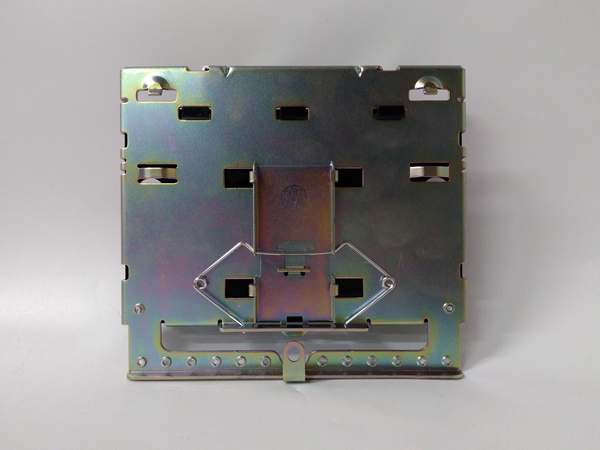
IS230STCIH6A
Commercial Availability & Pricing Note
Please note: The listed price is for reference only and is not binding. Final pricing and terms are subject to negotiation based on current market conditions and availability.