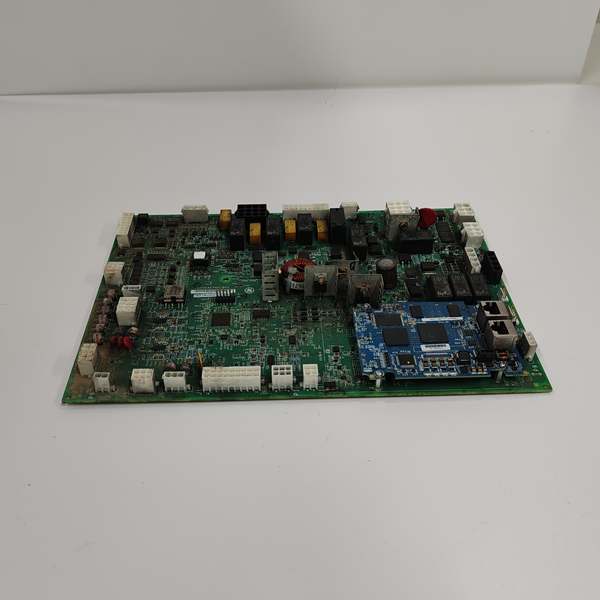
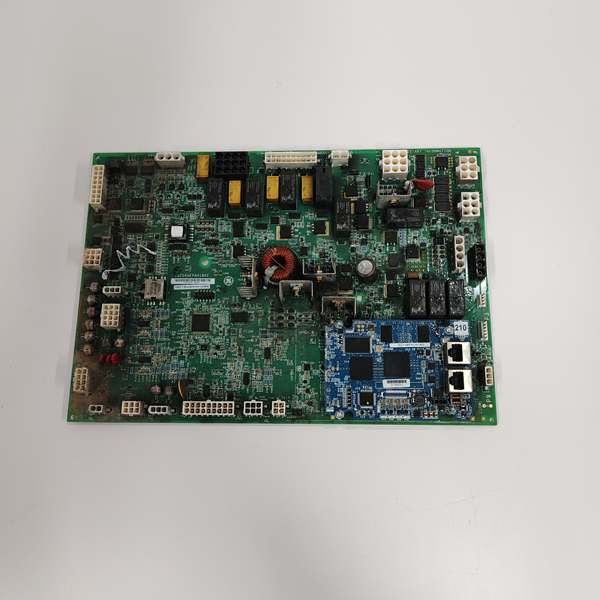
Description
Hard-Numbers: Technical Specifications
- Protocol Support: IONet 10/100Mbps Ethernet
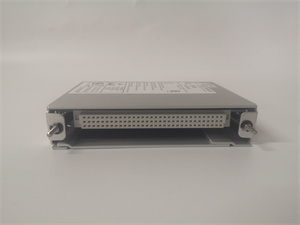
- Port Count: 2× RJ45 IONet, 1× high-density field I/O connector
- Input Ranges: 4–20mA, 0–10VDC, ±10VDC, thermocouple types J/K/T/E
- Isolation Rating: 2500 VAC RMS field-to-backplane
- Resolution: 16-bit analog-to-digital conversion
- Power Draw: 5.2 W max @ 28 VDC
- Operating Temperature: -30°C to +65°C
- Common-Mode Rejection: 110 dB @ 50/60 Hz
- Input Isolation: Channel-to-channel 1500 VAC
- Weight: 0.82 kg
- Dimensions: 138 × 86 × 56 mm
- Certifications: UL, CE, Class I Div 2, ATEX Zone 2
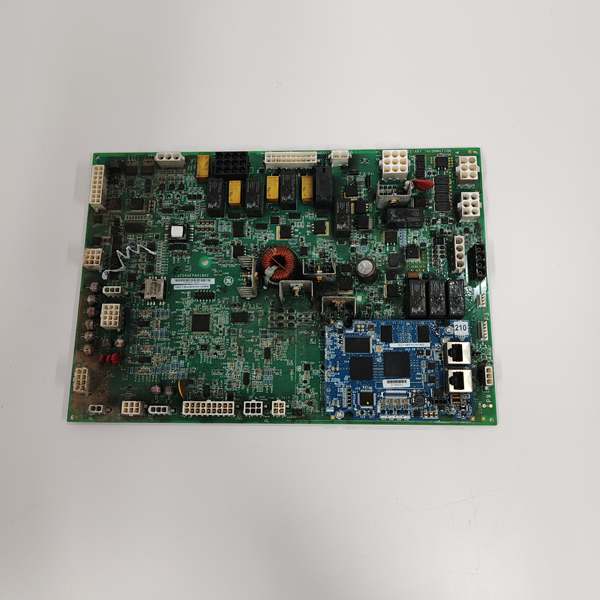
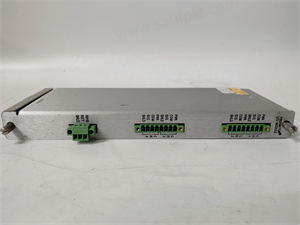
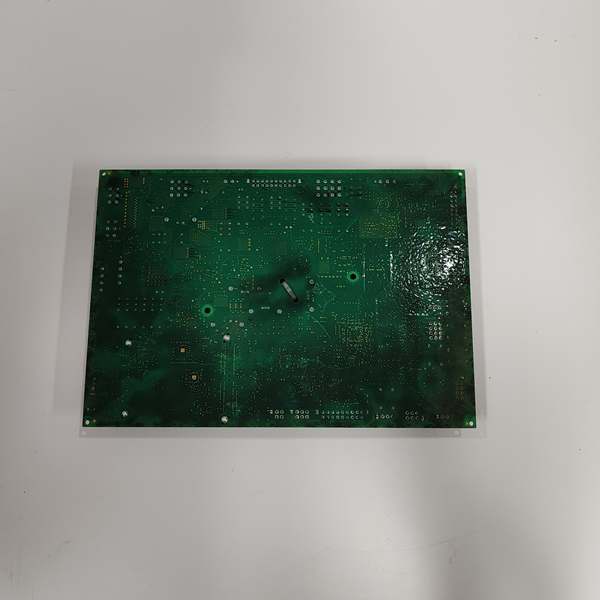
IS215WEPAH2B
The Real-World Problem It Solves
Loose analog signals and ground loops destroy measurement accuracy in turbine cabinets. Unisolated inputs cause drifting readings and false process alarms. eliminates signal corruption with full galvanic isolation and built-in filtering for stable, repeatable measurements.
Where you’ll typically find it:
- Turbine bearing temperature and lube oil pressure monitoring
- Inlet guide valve (IGV) LVDT position feedback
- Feedwater flow and pressure transmitter loops
Bottom line: delivers clean analog data to the main controller without noise or drift.
Hardware Architecture & Under-the-Hood Logic
includes a dedicated on-board microcontroller and fully isolated analog front-end. It processes signals locally before transmitting data over the backplane to reduce controller load.
- Field analog signals terminate to the high-density I/O connector.
- Signals pass through galvanic isolation barriers and anti-aliasing filters.
- 16-bit ADC digitizes inputs at a 1ms sample rate.
- On-board processor linearizes thermocouple and millivolt inputs.
- Processed data transmits over redundant IONet to the UCS main controller.
- Self-diagnostics detect open wires, short circuits, and over-range conditions.
- Front-panel LEDs indicate power, network status, and fault conditions.
Field Service Pitfalls: What Rookies Get Wrong
Dual-Ended Shield GroundingTechnicians ground analog cable shields at both the field device and cabinet. This creates ground loops that add noise to 4–20mA signals.
- Field Rule: Terminate shields only at the terminal end; leave the field end floating.
Overlooking Input Range ConfigurationRookies wire 4–20mA devices but leave the module set for 0–10VDC. Results in full-scale pegging or zero readings.
- Quick Fix: Verify input range jumpers or software configuration before applying power.
Insufficient Clearance for Heat DissipationThis module runs warm under continuous scanning. Blocking side vents causes thermal drift and inaccurate readings.
- Field Rule: Maintain 40mm minimum clearance on all sides in the control cabinet.
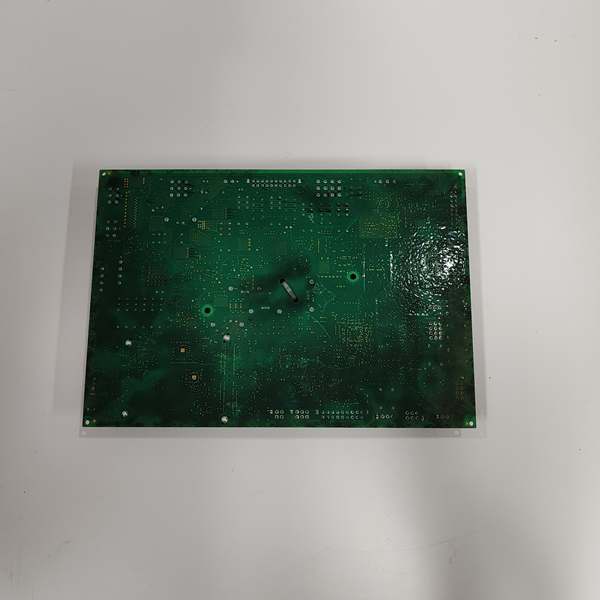
IS215WEPAH2B
Commercial Availability & Pricing Note
Please note: The listed price is for reference only and is not binding. Final pricing and terms are subject to negotiation based on current market conditions and availability.