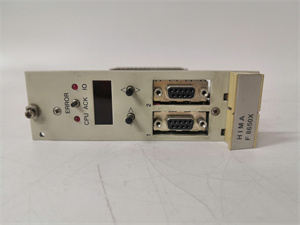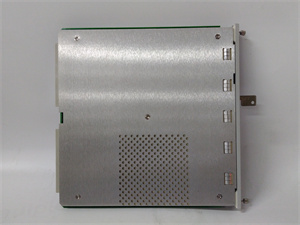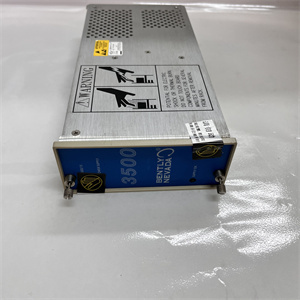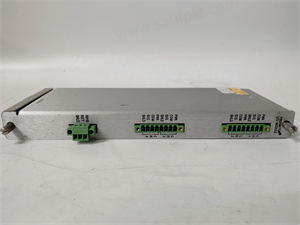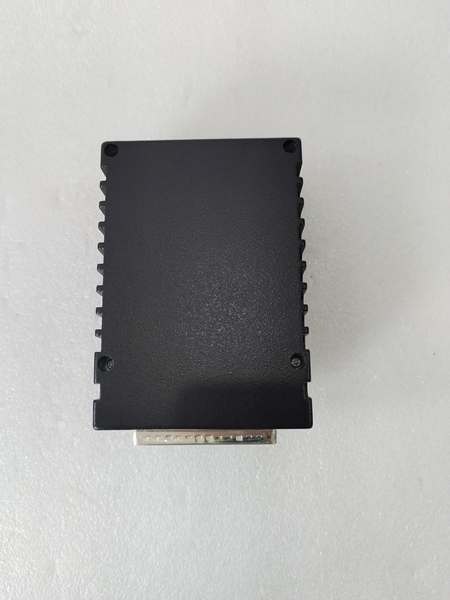
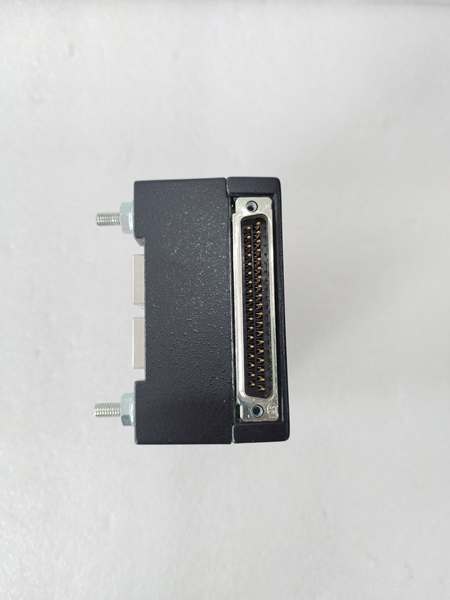
Description
Hard-Numbers: Technical Specifications
- Protocol Support: Redundant IONet 100Mbps Ethernet
- Port Count: 2× RJ45, 1× DC-37 field connector
- Input Channels: 8× isolated discrete trip inputs (24 VDC)
- Isolation Rating: 2500 VAC RMS field-to-backplane
- Processor: Dedicated on-board CPU, 16MB SDRAM, 32MB Flash
- Power Requirements: 24 VDC, 7.5W max draw
- Operating Temperature: -30°C to +65°C
- Input Threshold: 18–32 VDC (ON), 0–5 VDC (OFF)
- Common-Mode Rejection: 110 dB @ 50/60 Hz
- Hazardous Rating: Class I Div 2, Zone 2, ATEX/IECEx
- Weight: 0.65 kg
- Dimensions: 158.75 × 107.95 × 30 mm
- Firmware: Auto-download & reconfigurable from controller
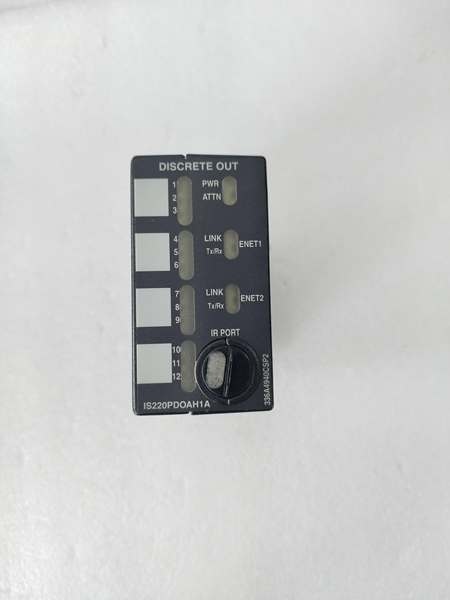
IS220PDOAH1A
The Real-World Problem It Solves
Standard discrete input modules lack independent safety logic for turbine trips. Relying on the main controller creates a single point of failure for emergency shutdown. offloads critical trip functions to dedicated hardware, ensuring failsafe operation independent of the main control processor.
Where you’ll typically find it:
- Gas turbine primary emergency shutdown (ESD) systems
- Steam turbine overspeed and fault trip logic
- Compressor train safety interlock monitoring
Bottom line: provides hardware-enforced safety separation to meet API 670 and IEC 61508 SIL 2 requirements.
Hardware Architecture & Under-the-Hood Logic
operates as a standalone safety module with isolated signal paths and its own processor. Trip execution does not depend on the main Mark VIe controller.
- Discrete trip signals enter 8 galvanically isolated input channels.
- On-board CPU independently validates signal integrity and reads input states.
- Internal trip logic executes preconfigured safety sequences when inputs trigger.
- Dedicated relay outputs initiate turbine shutdown and fuel isolation.
- Dual Ethernet ports communicate status and diagnostics to the main controller.
- Built-in self-tests monitor channel health and internal integrity.
- Firmware and trip settings auto-load from the controller on power-up.
Field Service Pitfalls: What Rookies Get Wrong
Reversed Input PolaritySwapping positive and negative field wires causes “stuck” or non-responsive trip inputs, leading to failed safety tests.
- Field Rule: Verify input polarity with a DMM before energizing; label terminal block with correct voltage polarity.
Poor Shielding & GroundingUnshielded cables pick up VFD and motor noise, causing false trip triggers and intermittent faults.
- Quick Fix: Use twisted-pair shielded cable; ground shield only at the TRPA terminal board, not at field sensors.
Loose DC-37 TerminationsUnder-torqued connectors create intermittent signal loss during cabinet vibration, triggering nuisance trips.
- Field Rule: Torque all connector screws to 0.5 N·m (4.4 lb·in); re-torque after initial 24-hour run-in.
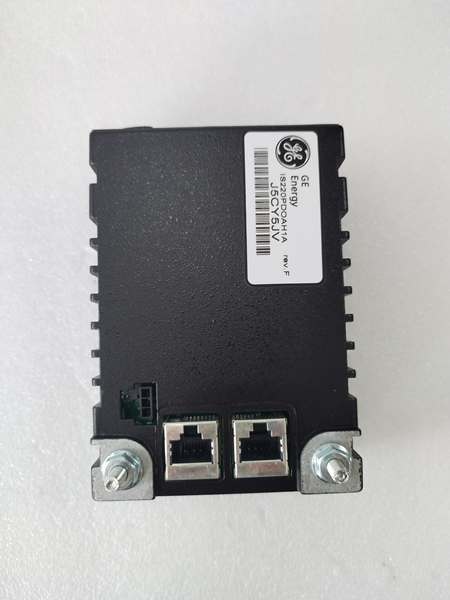
IS220PDOAH1A
Commercial Availability & Pricing Note
Please note: The listed price is for reference only and is not binding. Final pricing and terms are subject to negotiation based on current market conditions and availability.