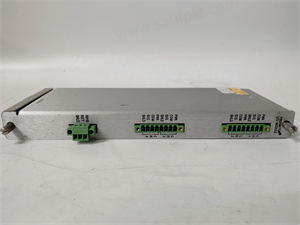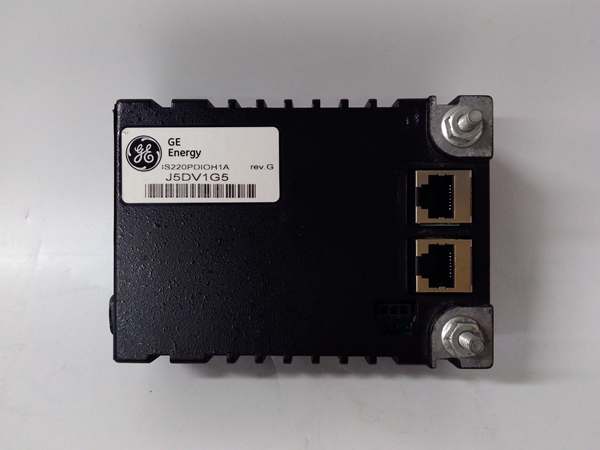
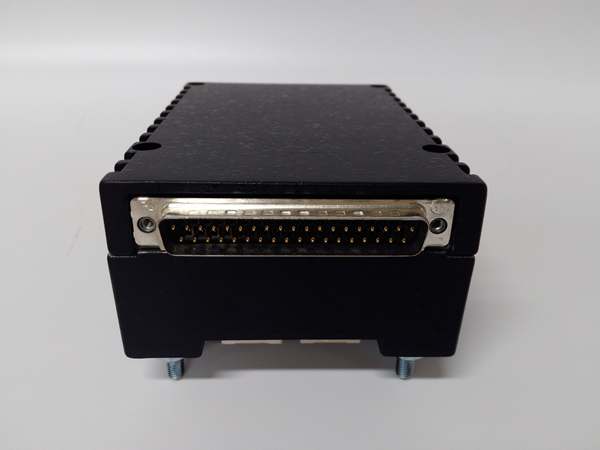
Description
Hard-Numbers: Technical Specifications
- Protocol Support: Redundant IONet 100Mbps Ethernet
- Port Count: 2× RJ45 IONet, 1× DC‑37 field connector
- Speed Inputs: 3× magnetic pickup / speed sensor channels
- Isolation Rating: 2500 VAC RMS field‑to‑backplane
- Power Requirements: 28.0 VDC nominal, 27.4–32.0 VDC, 7.5W max
- Operating Temperature: -30°C to +65°C
- Sampling Rate: 1ms speed sampling window
- Trip Response: < 10ms hardware trip output
- Hazardous Rating: Class I Div 2, Zone 2, ATEX/IECEx
- Dimensions: 158.75 × 107.95 × 30 mm
- Weight: 0.62 kg
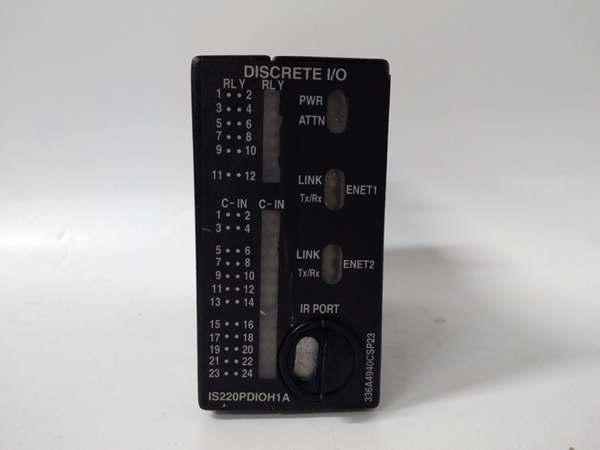
IS220PDIOH1A
The Real-World Problem It Solves
Main turbine controllers can crash or lose speed feedback, leaving no fast‑acting safety layer. Software‑only trips introduce unacceptable delay during overspeed events.
Where you’ll typically find it:
- Heavy‑duty gas turbine overspeed protection
- Aeroderivative turbine backup safety loops
- Steam turbine independent speed trip systems
Bottom line: delivers hardware‑only, sub‑10ms overspeed tripping independent of the main Mark VIe controller.
Hardware Architecture & Under-the-Hood Logic
uses a dedicated safety‑rated processor with no reliance on main controller code. Full galvanic isolation separates speed sensors from backplane electronics.
- Speed probe signals enter through isolated input stages.
- On‑board hardware samples and validates rotor speed every 1ms.
- Internal comparators trigger trip if speed exceeds fixed setpoints.
- Trip outputs actuate directly without controller permission.
- Status and fault data transmit over redundant IONet to the main system.
- Self‑diagnostics monitor power, isolation, and signal integrity continuously.
- Hardware watchdog forces fault state if internal logic fails.
Field Service Pitfalls: What Rookies Get Wrong
Speed Probe Wiring Too Close to Power CablesRookies route pickup cables parallel to 480V power lines. Induced noise creates false overspeed events.
- Field Rule: Maintain 12+ inches separation from power conductors; use twisted‑pair shielded cable.
Dual‑End Shield GroundingGrounding speed probe shields at both ends creates ground loops. Signal distortion leads to unstable speed readings.
- Quick Fix: Terminate shield only at the module terminal block; float the field end.
Under‑Voltage OperationRunning below 27.4 VDC causes slow sampling and delayed trip response. FAULT light activates intermittently.
- Field Rule: Verify 28.0 VDC at module terminals under full load before commissioning.
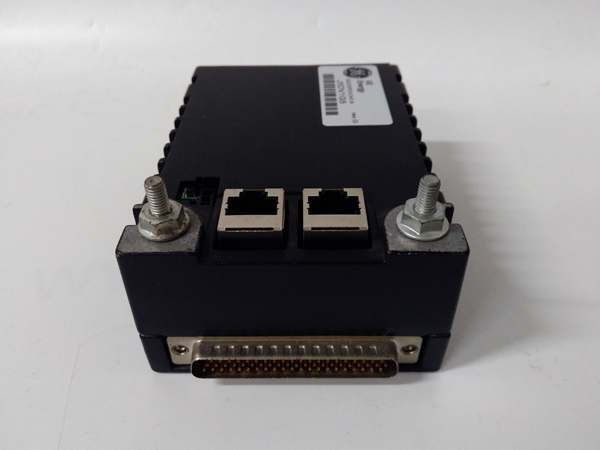
IS220PDIOH1A
Commercial Availability & Pricing Note
Please note: The listed price is for reference only and is not binding. Final pricing and terms are subject to negotiation based on current market conditions and availability.