Description
Hard-Numbers: Technical Specifications
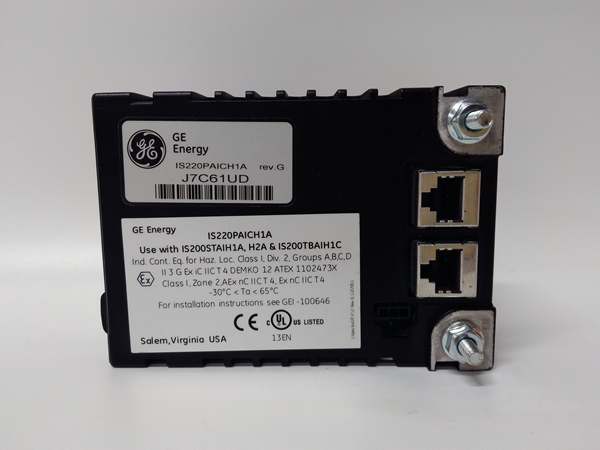
- Protocol Support: IONet, 100Mbps deterministic Ethernet
- Port Count: 2× RJ45 Ethernet, 1× DC-37 field I/O connector
- Output Channels: 16 Form C electromechanical relays
- Relay Rating: 5A @ 250VAC / 30VDC resistive
- Isolation Rating: 1500 VAC RMS field-to-backplane
- Power Requirements: 27.4–32.0 VDC, 4.2 W typical
- Operating Temperature: -20°C to +65°C
- Switching Speed: <10 ms operate / <5 ms release
- Mechanical Life: 10,000,000 operations minimum
- Hazardous Rating: Class I Div 2, Zone 2, ATEX/IECEx
- Dimensions: 158.75 × 107.95 × 30 mm
- Weight: 0.86 kg
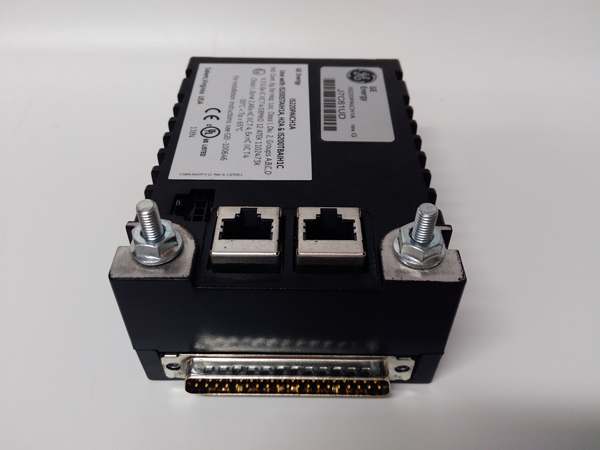
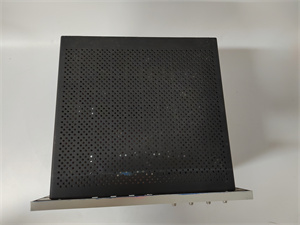
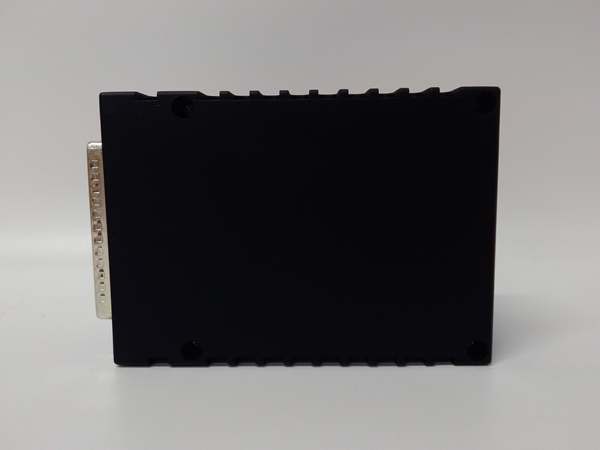
IS220PAICH1A
The Real-World Problem It Solves
Control cabinets suffer from crowded wiring and poor signal isolation when stacking low-density output cards. Inductive loads and ground loops cause premature relay failure and nuisance trips.
Where you’ll typically find it:
- Gas turbine emergency stop (ETS) solenoid actuation
- Steam turbine governor valve and trip relay control
- Compressor anti-surge valve and shutdown logic outputs
Bottom line: consolidates high-current outputs, cuts wiring complexity, and blocks electrical interference in critical turbine actuation circuits.
Hardware Architecture & Under-the-Hood Logic
features a dedicated 32-bit RISC processor for autonomous output control. Full galvanic isolation separates field wiring from the backplane and controller network.
- Control commands arrive over redundant IONet Ethernet.
- On-board processor validates commands and runs diagnostics.
- Logic signals pass through 1500V optical isolation barriers.
- Relay coils energize via protected drive circuits with flyback diodes.
- Output contacts switch field power to valves, motors, or alarms.
- Back-EMF suppression protects against inductive load spikes.
- Front-panel LEDs show power, fault, network, and channel status.
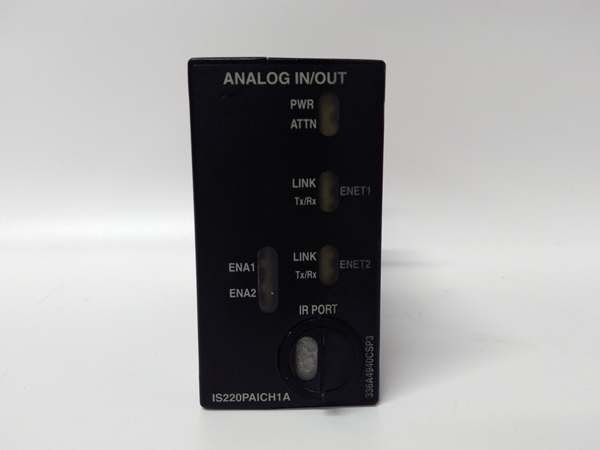
IS220PAICH1A
Field Service Pitfalls: What Rookies Get Wrong
Under-Sized Power WiringTechs use 22AWG wire for long runs to the module. Voltage drop under full 16-channel load causes weak coil pull-in and chatter.
- Field Rule: Use minimum 18AWG for power runs over 3 meters; verify 28.0 VDC at module terminals under full load.
Missing Surge SuppressionRookies skip flyback diodes or varistors on solenoid loads. Inductive voltage spikes destroy relay contacts and damage output drivers.
- Quick Fix: Install RC snubbers (100Ω/0.1µF) or 15V zener diodes across all inductive field devices.
Hot-Swap DamagePulling live creates backplane voltage transients. This locks the IONet node and corrupts controller I/O mapping.
- Field Rule: Disable the module in ToolboxST or de-energize the rack. Wait 60 seconds before physical removal.
Commercial Availability & Pricing Note
Please note: The listed price is for reference only and is not binding. Final pricing and terms are subject to negotiation based on current market conditions and availability.