Description
Hard-Numbers: Technical Specifications
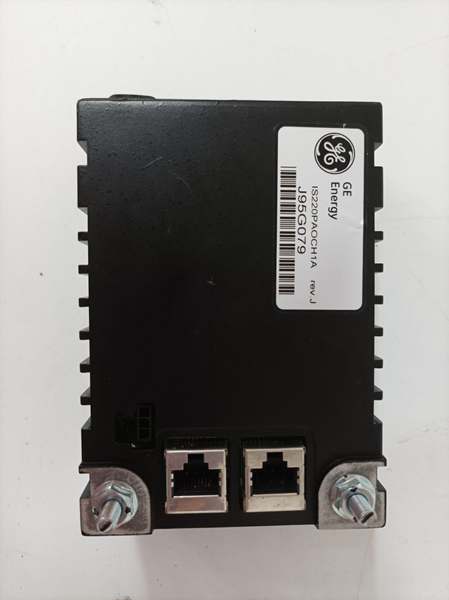
- Protocol Support: IONet, 100Mbps deterministic Ethernet
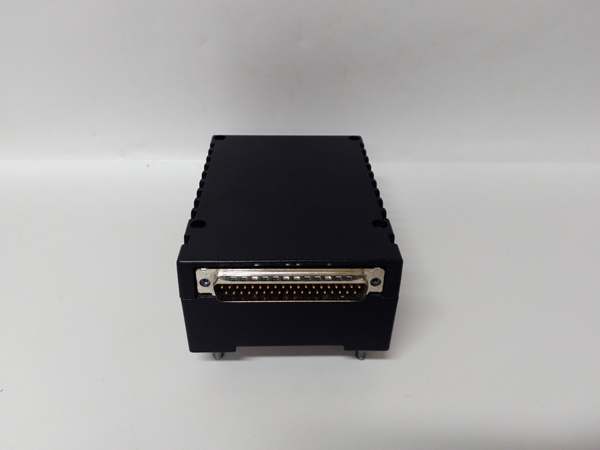
- Port Count: 2× RJ45 (redundant IONet), 1× DC-37 field connector
- Data Rate: 100 Mbps full-duplex
- Output Channels: 12× Form C relays, 5A @ 250VAC / 30VDC
- Isolation Rating: 2500 VAC RMS field-to-backplane
- Power Requirements: 27.4–32.0 VDC, 3.2 W typical
- Operating Temperature: -30°C to +65°C
- Diagnostics: Per-channel coil continuity & state feedback
- Hazardous Rating: Class I Div 2, Zone 2, ATEX/IECEx
- Dimensions: 82.6 × 41.9 × 121 mm
- Weight: 0.43 kg
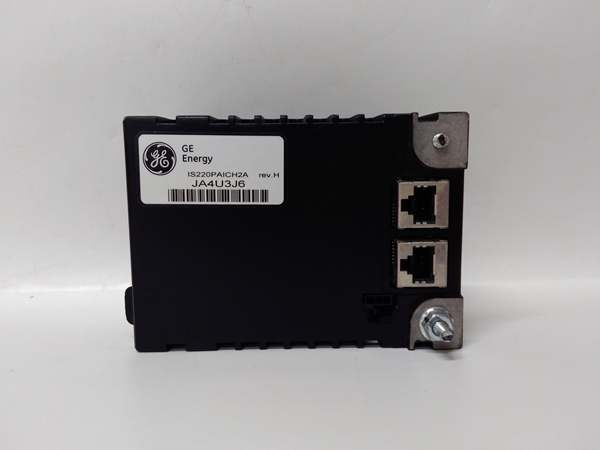
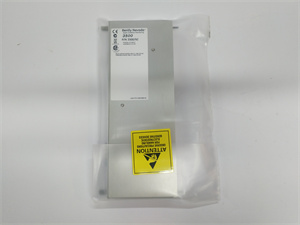
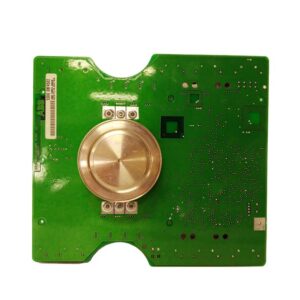
IS220PAICH2A
The Real-World Problem It Solves
Separate relay panels introduce extra wiring, extra failure points, and delayed response in critical trip circuits. Long cable runs cause voltage drops that make external relays chatter or fail to engage.
Where you’ll typically find it:
- Gas turbine emergency stop (ETS) and fuel trip solenoids
- Steam turbine stop valve and governor actuator control
- Compressor anti-surge valve and shutdown interlock outputs
Bottom line: integrates high-power relays directly in the I/O rack, cutting panel space and eliminating external relay failures.
Hardware Architecture & Under-the-Hood Logic
runs on a dedicated 32-bit RISC processor. It handles all output switching and diagnostics locally, independent of the main controller. Full optical isolation separates field loads from control logic.
- Controller commands arrive over redundant IONet Ethernet.
- On-board CPU validates commands and runs self-diagnostics.
- Control signals cross 2500V isolation barriers to relay coils.
- Relays switch field loads; flyback diodes protect against inductive spikes.
- Module reads coil voltage & contact state for per-channel health checks.
- Status and fault data transmit back to the controller.
- Front LEDs show Power, Fault, Net, and per-channel activity.
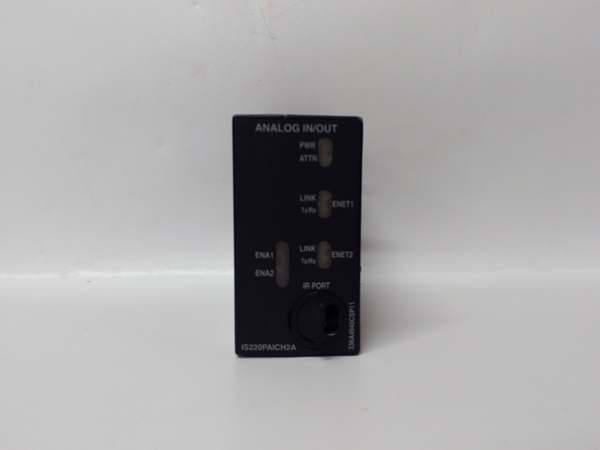
IS220PAICH2A
Field Service Pitfalls: What Rookies Get Wrong
Under-Sized Wire for Long RunsTechs use 22AWG wire for 50+ foot runs to high-current loads. Voltage drop causes weak coil pull-in and burned contacts.
- Field Rule: Use 18AWG minimum for runs over 25ft. Verify ≥26V at the terminal board under full load.
Skipping Coil Monitoring CalibrationRookies ignore coil feedback calibration. Faults go undetected until a trip fails.
- Quick Fix: Calibrate coil thresholds in Toolbox on first power-up. Enable alarm on open-coil detection.
Hot-Swapping Without Pre-ChargePulling the module live causes backplane voltage spikes that lock the IONet node.
- Field Rule: Disable the node in software. Wait 60 seconds for capacitors to discharge before removal.
Commercial Availability & Pricing Note
Please note: The listed price is for reference only and is not binding. Final pricing and terms are subject to negotiation based on current market conditions and availability.