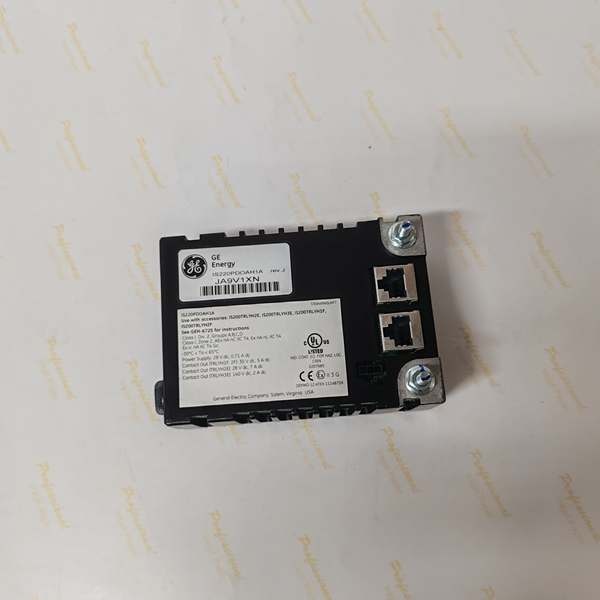
Description
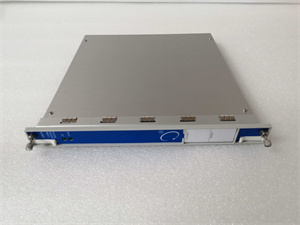
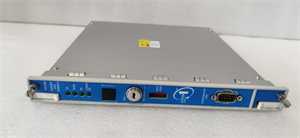
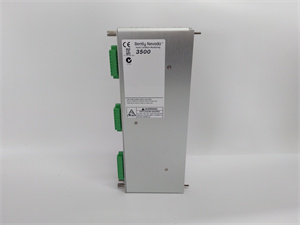
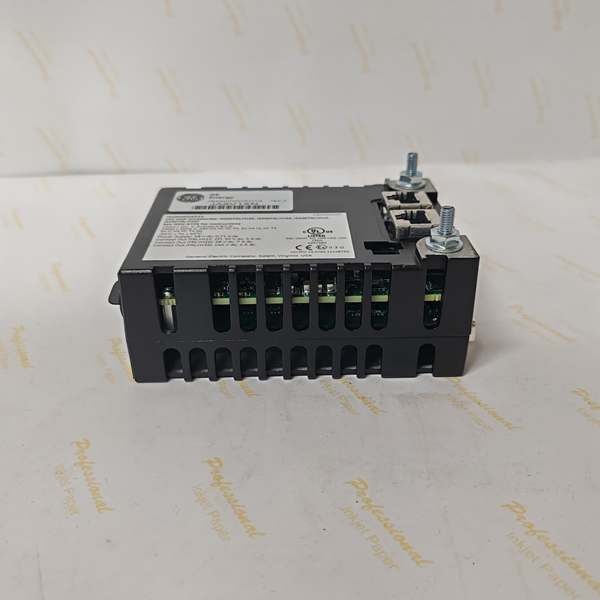
The IS220PDOAH1A is a “pack-style” discrete output module used inside GE Mark VIe Speedtronic turbine and compressor control cubicles. It combines 12 relay outputs (Form-C contacts) with an embedded processor and dual 100 Mb Ethernet ports on one card, allowing the controller to drive medium-power field devices without external interposing relays.
The module plugs straight onto a Mark VIe terminal board (TRLYH1B/C/D/F for magnetic relays or TRLYH1E for solid-state relays), so no external 24 V wiring is required beyond the terminal board. Because the pack is certified for Zone 2 hazardous locations, it is accepted in compressor stations and off-shore platforms without additional barriers.
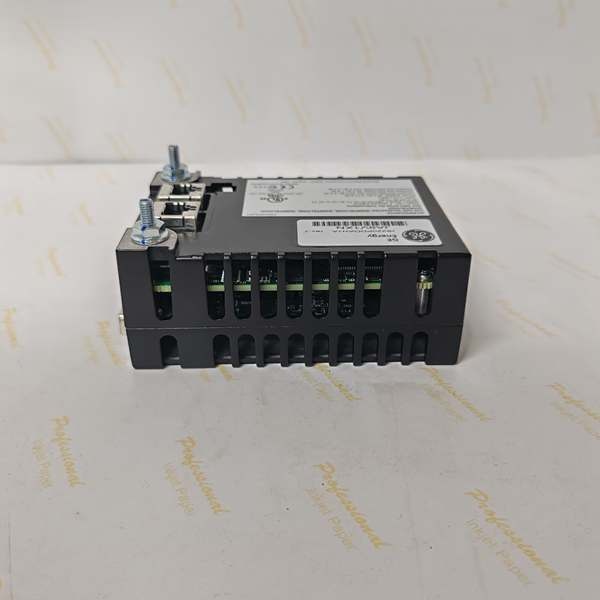
GE IS220PDOAH1A
-
Model Number: IS220PDOAH1A
-
Manufacturer: General Electric
-
Product Type: Discrete Output Pack (PDOA)
-
Outputs: 12 Form-C relay contacts
-
Field Voltage: 24 VDC nominal (12–48 VDC/AC supported)
-
Load Current: 3 A per channel max, 4 A total (field-fused)
-
Logic Supply: 24 VDC via 3-pin backplane feed
-
Response Time: ≈ 6 ms Ethernet command to contact closure
-
Ethernet: Dual 100 Mb full-duplex RJ45 ports with on-board switch
-
Isolation: 1500 V optical between field and logic
-
Diagnostics: Front-panel LEDs, infrared serial port for local interrogation
-
Terminal Boards: TRLYH1B/C/D/F (magnetic relays) or TRLYH1E (solid-state)
-
Temperature: -40 … +70 °C operational (variant dependent)
-
Weight: ≈ 120 g
12-relay density – One pack replaces multiple interposing relays, freeing Mark VIe slots and reducing spare-part count while keeping the same 3 A per-channel capability.
Zone 2 / marine certification – Module and mating terminal boards are certified for hazardous locations, so you can land field wires directly without additional isolation barriers.
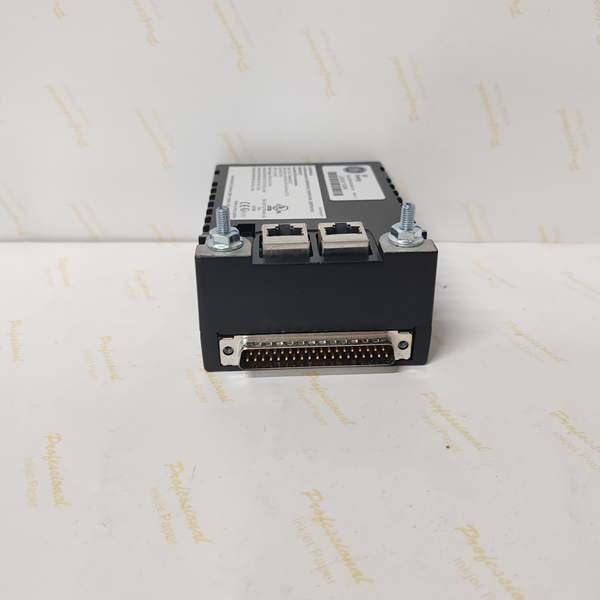
GE IS220PDOAH1A
In combined-cycle power plants the IS220PDOAH1A is installed in the “auxiliary output” section of Mark VIe panels that govern gas turbines. It drives 24 VDC lock-out valves, cooling-fan contactors, and fire-protection solenoids while reporting contact status back to the turbine controller—all on one card.