Description
Hard-Numbers: Technical Specifications
- Protocol Support: IONet, 100Mbps Ethernet
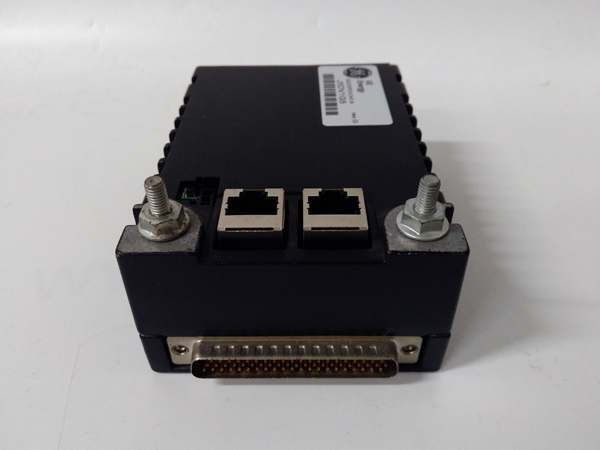
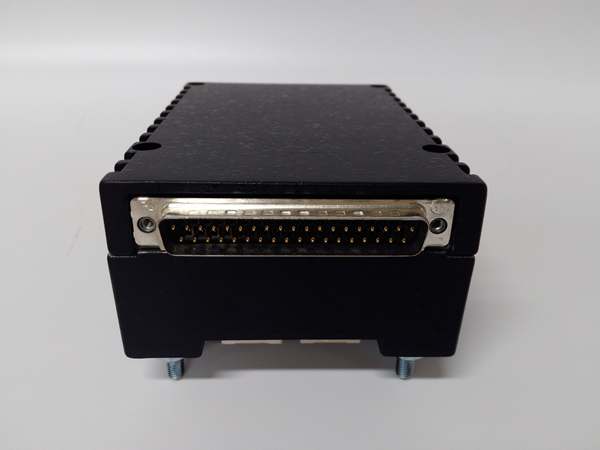
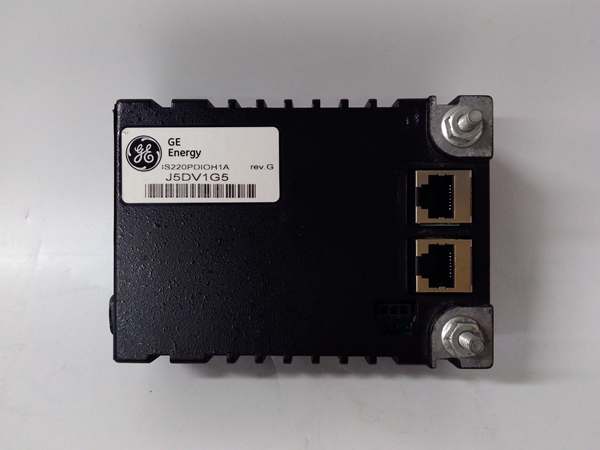
- Port Count: 2× RJ45 Ethernet, 1× DC‑37 field connector
- Data Rate: 100 Mbps full‑duplex deterministic I/O
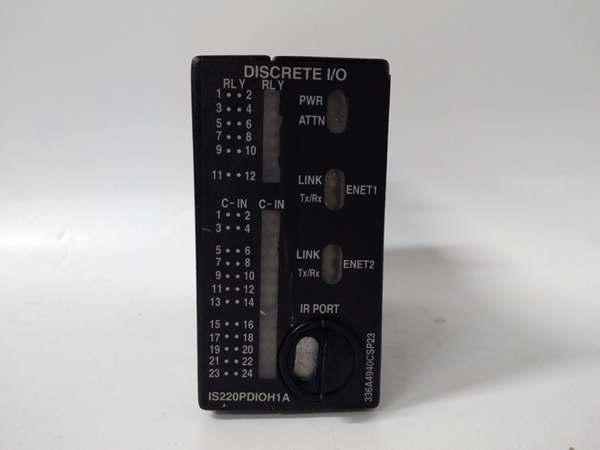
- Input Channels: 24 discrete, 18–32 VDC, dry contact compatible
- Output Channels: 16 Form C relays, 5A @ 250VAC / 30VDC
- Isolation Rating: 2500 VAC RMS field‑to‑backplane
- Input Filter: 2 ms configurable hardware debounce
- Power Requirements: 27.4–32.0 VDC, 3.8 W typical
- Operating Temperature: -30°C to +65°C
- Hazardous Rating: Class I Div 2, Zone 2, ATEX/IECEx
- Dimensions: 158.75 × 107.95 × 30 mm
- Weight: 0.9 kg
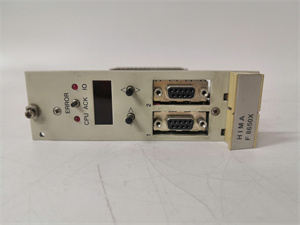
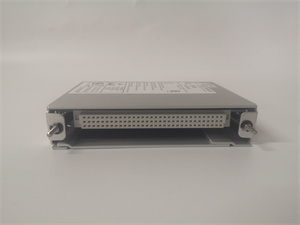
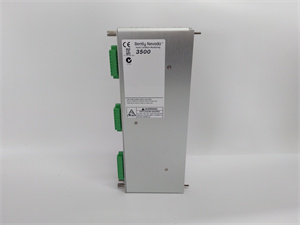
IS220PDIOH1A
The Real-World Problem It Solves
Power generation cabinets run out of space when using separate DI and DO cards. Ground loops and EMI from unisolated wiring trigger false trips and unstable logic.
Where you’ll typically find it:
- Gas turbine fuel valve and starter motor control
- Steam turbine emergency trip system (ETS) interlocks
- Compressor anti‑surge valve feedback and actuation
Bottom line: reduces rack density and eliminates signal interference in mixed I/O turbine applications.
Hardware Architecture & Under-the-Hood Logic
uses a dedicated 32‑bit RISC processor for independent I/O processing. Full optical isolation separates field wiring from backplane and network electronics.
- Field inputs and outputs terminate at the DC‑37 connector.
- Input signals cross 2500V optical isolation barriers.
- On‑board filtering removes contact bounce and electrical noise.
- Local processor scans channels and runs continuous self‑diagnostics.
- Processed data transmits over redundant Ethernet to the Mark VIe controller.
- Relay outputs are driven with flyback protection for inductive loads.
- Front LEDs indicate power, fault, link status, and channel activity.
Field Service Pitfalls: What Rookies Get Wrong
Under‑Voltage Relay ChatterTechs set power to 24VDC and see relay flutter under load. The module requires a minimum of 27.4VDC for stable operation.
- Field Rule: Set supply to 28.0VDC and verify voltage directly at the module terminals under full load.
Dual‑End Shield GroundingRookies ground cable shields at both the marshalling panel and the module. This creates ground loops that corrupt input signals.
- Quick Fix: Terminate shields only at the control cabinet end; leave the module end ungrounded.
Uncontrolled Hot‑SwappingPulling while powered causes backplane transients that lock the I/O node.
- Field Rule: Disable the node in Toolbox or de‑energize the rack. Wait 60 seconds before removing the module.
IS220PDIOH1A
Commercial Availability & Pricing Note
Please note: The listed price is for reference only and is not binding. Final pricing and terms are subject to negotiation based on current market conditions and availability.