Description
Hard-Numbers: Technical Specifications
- Processor: Triple Redundant 32-bit RISC Microprocessors
- Safety Integrity Level: SIL 3 (IEC 61508) / TUV Certified
- Input Channels: 6 Independent Speed Probe Inputs (Supports 2oo3 Voting)
- Response Time: < 10 ms (Sensor to Relay Trip Output)
- Protocol Support: Modbus TCP, Ethernet/IP, PROFINET
- Port Count: 4 x 10/100/1000 Mbps RJ45 Ethernet Ports
- Data Processing Rate: 10,000 Data Points per Second
- Operating Temperature: -40°C to +70°C (-40°F to 158°F)
- Isolation Rating: 2 kV RMS (Ethernet-to-Backplane)
- Power Draw: 5 V @ 2.5 A, 12 V @ 0.5 A (Typical via Backplane)
- Dimensions: 228.6 mm x 101.6 mm x 127 mm (9U VME Form Factor)
- Weight: 0.45 kg (1.0 lb)
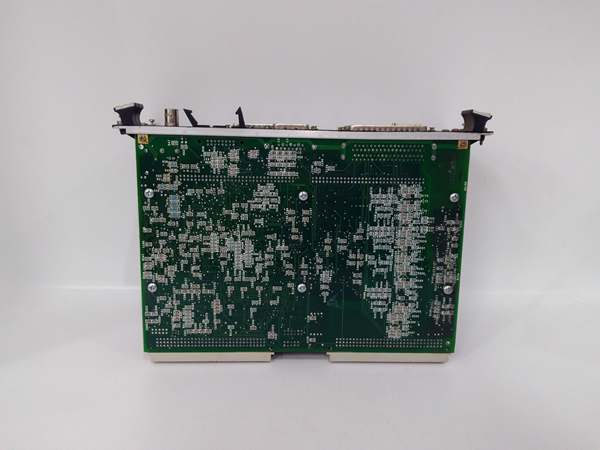
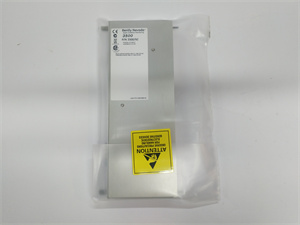
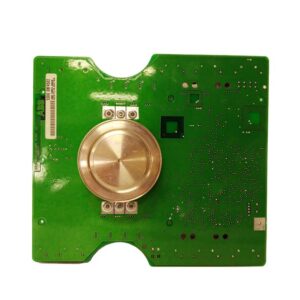
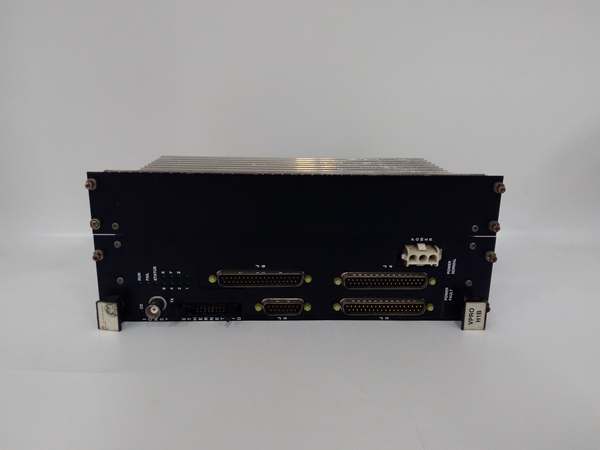
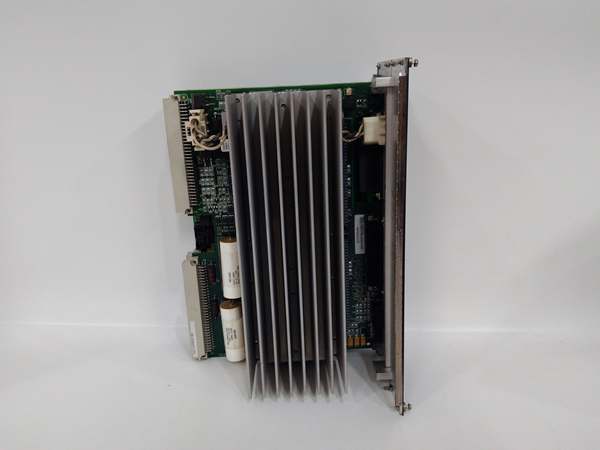
IS215VPROH1B
The Real-World Problem It Solves
When a turbine experiences a sudden load rejection, rotor speed can spike violently, risking catastrophic blade failure or a “burst” scenario. This module acts as the independent, hard-wired sentinel that watches the shaft speed and yanks the fuel away in milliseconds if the primary control system blinks.
Where you’ll typically find it:
- Mounted in the dedicated TMR (Triple Modular Redundant) safety rack of a Frame 7FA or 9E gas turbine.
- Processing pulse inputs from six magnetic pickups (MPUs) to calculate real-time RPM and acceleration.
- Bridging the gap between the Mark VIe control network and third-party ESD (Emergency Shutdown) systems via high-speed Ethernet protocols.
Bottom line: It is the ultimate hardware failsafe that prevents a $50 million turbine from destroying itself.
Hardware Architecture & Under-the-Hood Logic
Unlike a standard CPU that runs a broad operating system, this unit is a deterministic execution engine. It is architected specifically so that no single hardware fault can inhibit a legitimate trip command.
- Signal Acquisition: Three independent channels simultaneously read two sets of redundant speed probes, filtering out electrical noise and vibration artifacts at the hardware level.
- 2oo3 Vote Processing: Each channel calculates the turbine RPM. The hardware logic requires at least two of the three processors to agree on an overspeed condition before actuating the solid-state trip outputs.
- Deterministic Relay Actuation: Upon a validated trip, the module bypasses the backplane entirely and drives hard-wired, fail-safe relays to close the fuel trip valve and hit the main breaker.
- High-Speed Data Marshalling: Concurrently, it packages the raw speed data and trip statuses, pushing them out via the 1Gbps Ethernet ports to the plant’s DCS and historical data recorders without bogging down the safety loop.
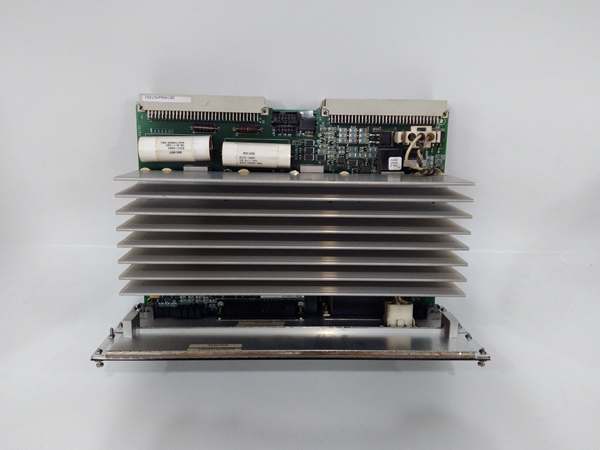
IS215VPROH1B
Field Service Pitfalls: What Rookies Get Wrong
Probe Gap Voltage Ignorance
Rookies often assume that if a speed probe generates a waveform, it’s good enough. They overlook the DC gap voltage, which changes with temperature and probe bracket wear. A weak gap voltage can cause the module to miss pulses during a critical overspeed swing.
- Field Rule: Measure the quiescent DC gap voltage at the terminal block for all six probes. If it drifts outside the 5V to 11V window, re-gap the probe before clearing the alarm.
Bypassing the 2oo3 Logic During Testing
During annual proof-testing, amateurs often manually force the output of a single channel to simulate a trip. This masks potential hardware failures in the voting logic and gives a false sense of security.
- Quick Fix: Always use the manufacturer’s sanctioned “Trip Simulate” jumper or software command. This forces the hardware to run the full 2oo3 voting sequence and exercise the physical relay contacts.
Ignoring Ethernet Port Negotiation Mismatches
The H2B’s high-speed data processing is useless if the upstream switch can’t handle the packet volume. Rookies leave the Ethernet ports on auto-negotiate, which can cause duplex mismatches and dropped packets under heavy network load.
- Field Rule: Hard-code the Ethernet port speed and duplex settings in both the VPRO module and the connected managed switch. Set the “Heartbeat Lost” timer on the HMI to account for minor, acceptable network latency.
Commercial Availability & Pricing Note
Please note: The listed price is for reference only and is not binding. Final pricing and terms are subject to negotiation based on current market conditions and availability.