Description
Product Introduction
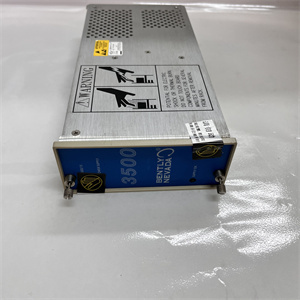
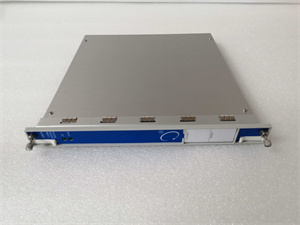
The GE is a high-performance VME bus controller board engineered for GE’s Speedtronic Mark VI and Mark VIe turbine control systems. It serves as the central processing unit, executing complex control algorithms and managing system I/O communication to ensure the stable operation of gas and steam turbines.
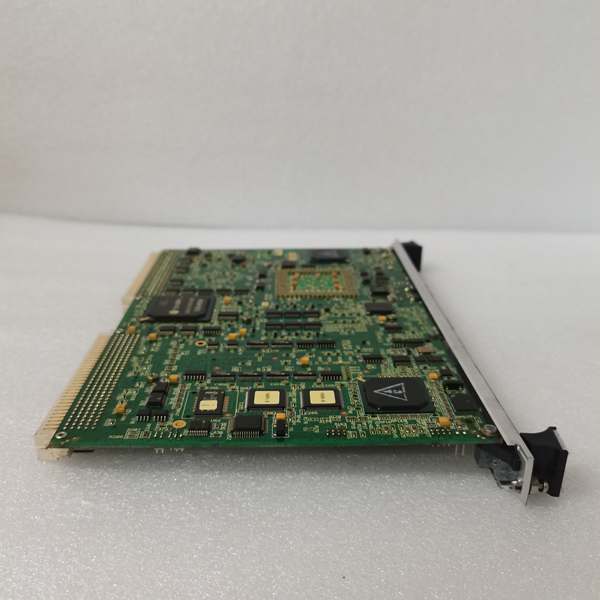
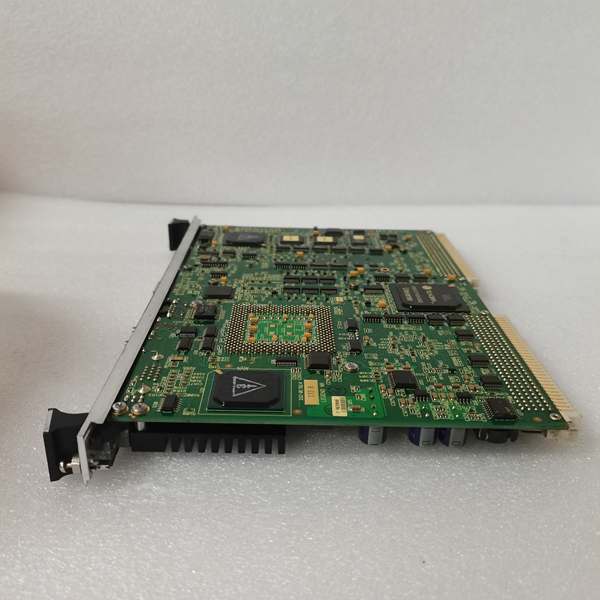
This “M01A” variant is a feature-rich revision of the UCVE board, often incorporating a high-speed processor (up to 1.2GHz) and enhanced memory capacity for demanding automation tasks. The board is designed with a double-sided PCB layout and includes a front panel with status LEDs, reset button, and various communication ports. Well, technically it supports Modbus TCP and EGD protocols seamlessly, but proper DIP switch configuration is crucial. We typically see a 15+ year service life in the field—though the onboard backup battery will eventually deplete and require replacement to maintain the real-time clock.
Key Technical Specifications
| Parameter | Value |
|---|---|
| Processor | 1.2 GHz High-Speed RISC/PowerPC Processor |
| Memory | Volatile memory backed by battery; non-volatile flash storage |
| Communication Interfaces | 2 x Ethernet Ports, 2 x Serial (COM) Ports, 1 x LAN Port |
| Expansion Slots | Supports mezzanine card integration |
| Input Voltage | 24 V DC (Nominal) |
| Operating Temperature | 0°C to +60°C (Typical), -30°C to +65°C (Extended) |
| Storage Temperature | -40°C to +85°C |
| Humidity Tolerance | 5% to 95% Non-condensing |
| Form Factor | VMEbus 6U (Double-height board) |
| Mounting Style | VME Rack Mount |
| Dimensions (Approx.) | 340 mm × 160 mm × 20 mm |
| Weight (Approx.) | 0.52 kg |
| Power Consumption (Max) | 25 W |
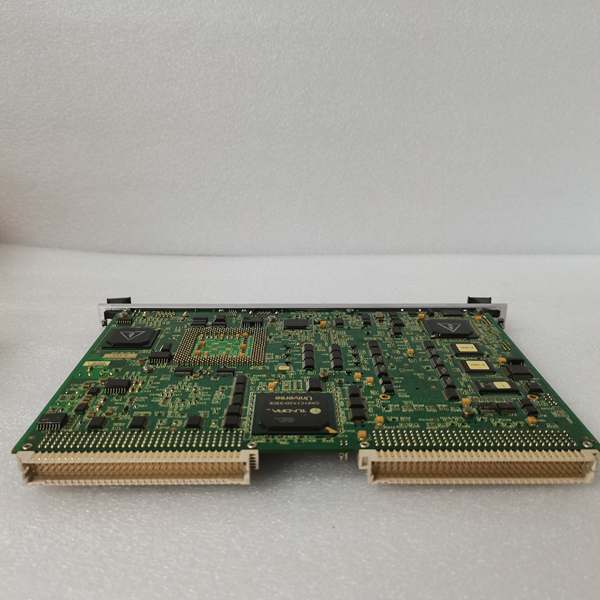
IS215UCVEM01A
Quality Control Process
- Incoming Verification: Cross-reference serial numbers against GE manufacturing databases. Perform anti-counterfeit inspections on ICs and labels. Visually inspect the VMEbus edge connector and front panel ports for physical wear or bent pins under 10x magnification.
- Live Functional Test: Install the module into a Mark VI/Mark VIe compatible VME test chassis. Run diagnostic software to verify processor speed, memory integrity, and communication port functionality over a 24-hour stress test.
- Electrical Parameter Test: Monitor voltage rails (+5V, +12V, -12V) under load. Verify battery backup voltage and memory retention capabilities using specialized test equipment.
- Firmware Verification: Read and record the current firmware/software version. Photograph all DIP switch and jumper settings for archival purposes.
- Final QC & Packaging: Clean the PCB and front panel with electronic-grade solvent. Wrap in anti-static foam. Apply QC Passed label with date and technician signature.
Replacement Pitfall Guide
❗ Battery Handling: The GE contains a battery to retain volatile memory and the real-time clock (RTC). Handle with care during installation to avoid damaging the battery retainer.
❗ Mezzanine Card Alignment: If your application uses a mezzanine card, ensure it is correctly aligned and securely fastened to the main board before inserting the module into the VME chassis.
❗ Jumper Configuration: Factory default jumper settings must match your specific turbine control system architecture. Incorrect settings can lead to communication failures or processor faults.
❗ Electrostatic Discharge (ESD): The integrated circuits on the GE are highly sensitive to static electricity. Always use an anti-static wrist strap and mat during handling and installation.
❗ Firmware Compatibility: Ensure the module’s firmware is compatible with the rest of your Mark VI/Mark VIe system. Incompatible firmware can cause system instability or failure to boot.
Keep these in mind and you’ll cut 90% of rework time.
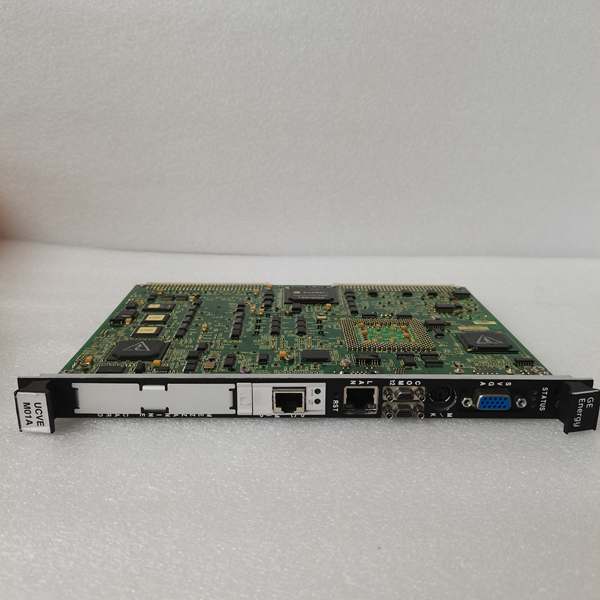
IS215UCVEM01A
Compatibility Matrix & Benchmarks
- IS215UCVEH2A → : Direct — Drop-in replacement with significantly higher processing power and memory capacity.
- → IS215UCVEM03A : Needs Adaptation — Requires a system firmware upgrade to accommodate the newer hardware stepping.
- → IS215UCCAM03A : Incompatible — Different form factor (VME vs CPCI) and bus architecture.
- Processor Performance: 1200 MIPS (Million Instructions Per Second)
- Data Throughput: 100 Mbps (Ethernet communication, typical industrial load)