Description
Product Introduction
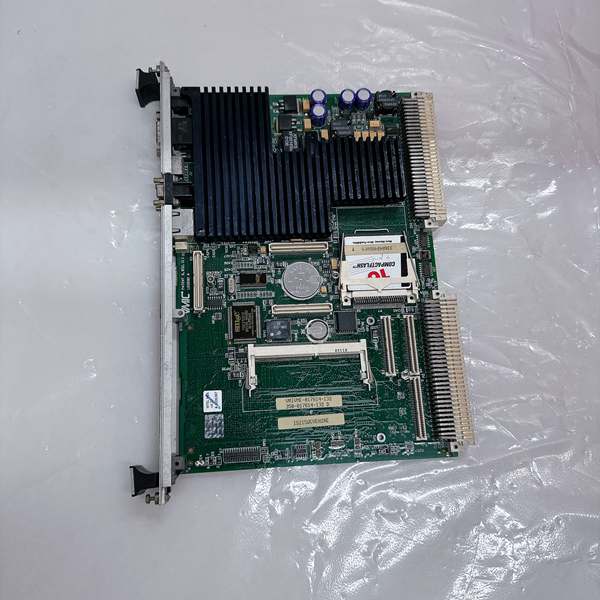
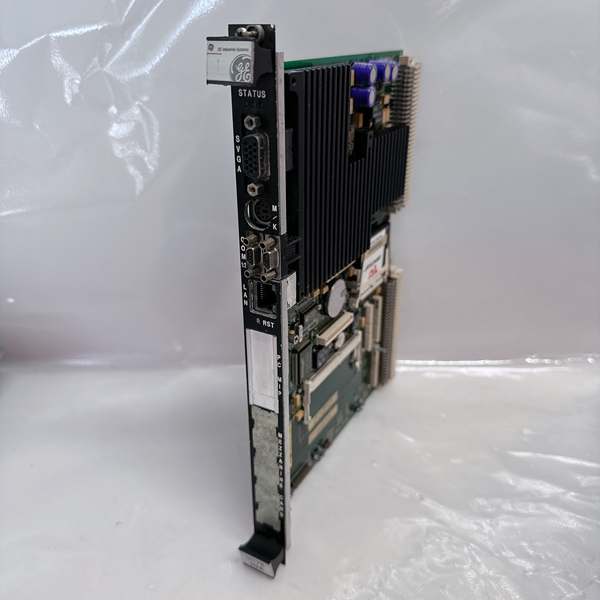
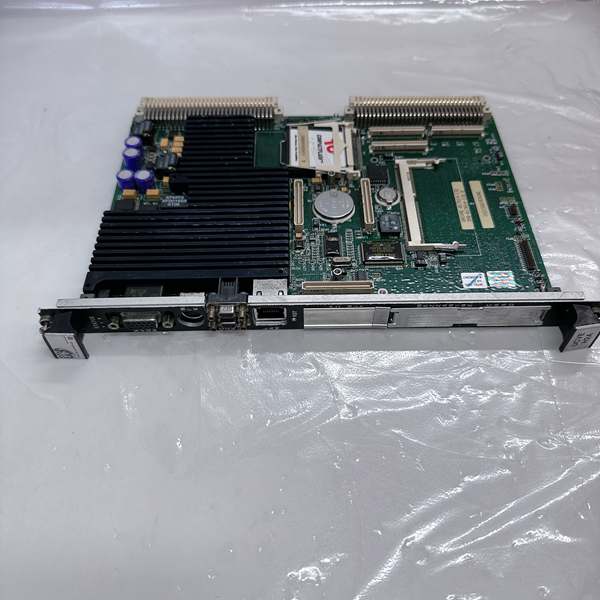
The GE IS215UCVEH2A is a high-performance processor board designed for Mark VIe control architectures. It handles complex automation tasks and manages real-time data flow. This unit ensures stable communication between I/O packs and the main controller.
This “V2A” variant features a significantly upgraded 256 MB SDRAM capacity compared to earlier versions. It supports dual Ethernet ports for redundant network topologies. Well, technically it supports Modbus TCP, but only on firmware v4.0 and above. The module also includes a dedicated real-time clock for accurate event timestamping. We typically see a 12+ year service life in the field—though heavy vibration can loosen the CPCI backplane connection.
Key Technical Specifications
| Parameter | Value |
|---|---|
| Input Voltage | 24 V DC (Nominal) |
| Memory (SDRAM / Flash) | 256 MB / 128 MB |
| Communication Interfaces | 2 x 10/100 Base-TX Ethernet |
| Real-Time Clock | Battery-backed RTC |
| Operating Temperature | -40°C to +70°C |
| Storage Temperature | -40°C to +85°C |
| Humidity Tolerance | 5% to 95% Non-condensing |
| Form Factor | CompactPCI (CPCI) 3U |
| Supported Protocols | Modbus TCP, IONet, EGD |
| Mounting Style | Board-level / Chassis Slot |
| Dimensions (Approx.) | 160 mm × 100 mm × 20 mm |
| Weight (Approx.) | 0.18 kg |
GE IS215UCVEH2A
Quality Control Process
- Incoming Verification: Trace serial numbers against GE manufacturing databases. Perform anti-counterfeit label checks. Visually inspect the CPCI gold fingers for scratches or insertion wear under 10x magnification.
- Live Functional Test: Install the module on a Mark VIe-compatible test rig. Run continuous dual Ethernet communication loops for 48 hours. Monitor data packet loss using industrial network analyzers.
- Electrical Parameter Test: Verify 24V DC power regulation under peak processor load. Measure insulation resistance with a 500V Megger, verifying values stay above 10 MΩ.
- Firmware Verification: Read and document the current firmware version. Photograph all DIP switch and jumper configurations for the customer’s records.
- Final QC & Packaging: Clean the unit with isopropyl alcohol. Seal inside a moisture-barrier bag with desiccant. Affix a QC Passed sticker dated by the lead technician.
Replacement Pitfall Guide
❗ Firmware Mismatch: The V2A requires a specific firmware build (v04.xx or higher). Loading an older UCVE image will cause an immediate watchdog trip.
❗ DIP Switch / Jumper Misconfiguration: Controller node ID jumpers are inverted compared to older revisions. Verify the binary address matches your rack topology.
❗ Terminal / Cable Incompatibility: The V2A uses a standard CPCI rear transition module. Forcing a non-standard cable will bend the header pins.
❗ Power Supply Mismatch: Dual Ethernet ports and full SDRAM draw significant current. Ensure your 24V supply has a 20% buffer for system initialization.
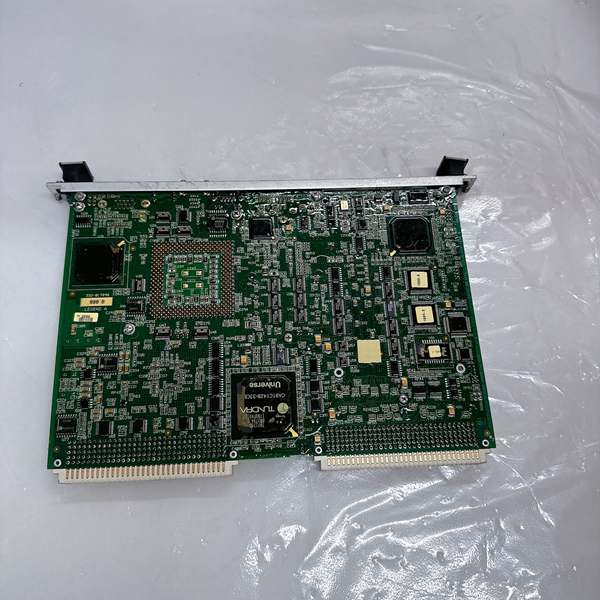
❗ ESD Damage: The module uses highly sensitive BGA processors. Use an anti-static mat and wrist strap during installation.
Keep these in mind and you’ll cut 90% of rework time.
GE IS215UCVEH2A
Compatibility Matrix & Benchmarks
- IS215UCVEH1A → IS215UCVEH2A : Direct — Drop-in replacement with doubled memory capacity.
- IS215UCVEH2A → IS215UCVEH4A : Needs Adaptation — Requires backplane upgrade and firmware migration.
- IS215UCVEH2A → IS215UCCAM03A : Incompatible — Different form factor and bus architecture.
- Scan cycle: 0.5 ms (Simulated control loop, 64 I/O points)
- Comms throughput: 98 Mbps (Redundant IONet protocol, 80% sustained load)