Description
Hard-Numbers: Technical Specifications
- Processor: High-speed Digital Signal Processor (DSP) (Manages deterministic control algorithms for power electronics, pitch control, and high-speed data acquisition).
- Communication Interface: GE Serial Peripheral Interface (SPI) / IONet for internal rack communication, plus external interfaces to power converters and drives (likely high-speed serial or fiber-optic links).
- Functional Revision: H (8th Revision) (Signifies a mature hardware build. The “H1” designation indicates the foundational hardware variant of the 8th revision, incorporating standard EMI/ESD protection).
- Configuration Suffix: 1CAFA (Denotes a unique factory hardware baseline, specific firmware image, or customer-specific configurations. The “1” indicates the hardware revision digit, while “CAFA” points to a highly specific firmware load, safety certificate set, or renewable energy application code).
- Operating Voltage: 24V DC to 48V DC (Nominal, via backplane or dedicated terminals).
- Operating Temperature: -40°C to +70°C (Built to withstand the harsh outdoor and industrial environments typical of wind farms and renewable energy sites).
- Signal Isolation: 1500V AC Channel-to-Channel, 2500V AC Channel-to-Ground (Provides robust protection against electrical noise generated by nearby power converters and variable frequency drives).
- Mounting: VME Rack Mount or DIN Rail (Dependent on the specific panel assembly).
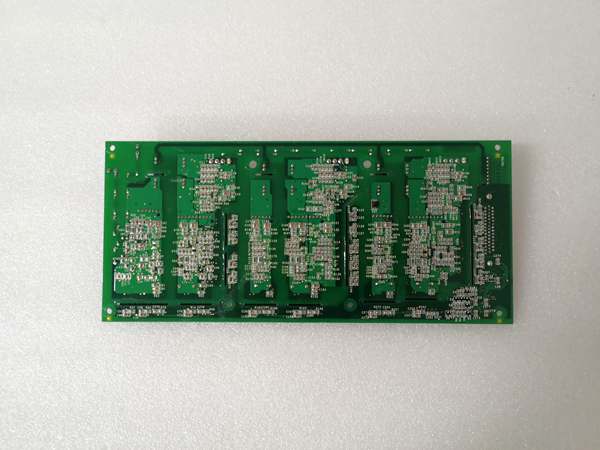
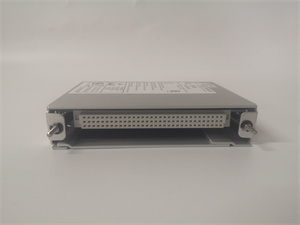
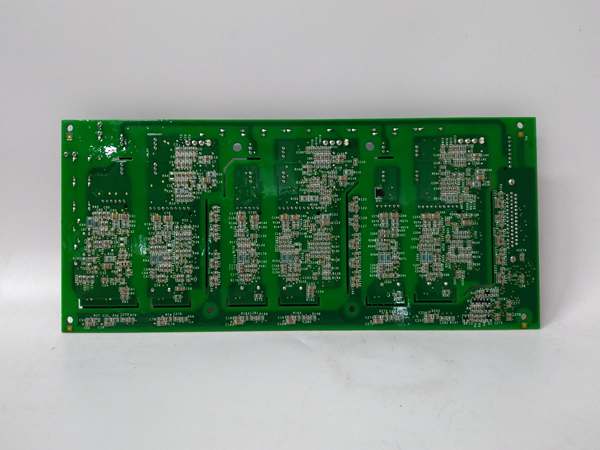
GE IS210AEBIH3B
The Real-World Problem It Solves
Imagine you are the lead electrical engineer for a wind farm undergoing a major controls retrofit. The aging Doubly-Fed Induction Generators (DFIGs) utilize an obsolete pitch control system that is no longer supported. The utility company mandates upgrading to a modern Mark VIe architecture to improve grid stability and power factor correction. The challenge? The new Mark VIe controller must seamlessly interface with the existing, highly sensitive power converter cabinets using a proprietary communication protocol, without halting turbine operation for more than 48 hours per unit.
The elegant solution is to deploy the module into the new Mark VIe control panels. Leveraging the robust “H1” hardware for stable processing, the module’s “CAFA” firmware baseline is pre-configured to act as a protocol gateway, translating Mark VIe global variables into the exact command strings the legacy power converters expect.
The retrofit is executed flawlessly. The turbines never miss a beat, transitioning from the old pitch system to the new Mark VIe architecture in record time. The farm avoids massive penalty fees for grid instability, and the “CAFA” module quietly ensures optimal power delivery to the grid, adapting instantly to fluctuating wind speeds.
Where you’ll typically find it:
- Wind Farm Life Extension (LE) Projects: Retrofitting aging wind turbines (like the GE 1.5s/sle) with modern Mark VIe controls while retaining existing power converter hardware.
- Independent Power Producers (IPPs): Providing a cost-effective, application-specific bridge for wind turbines to interface with utility-scale SCADA systems.
- Hydroelectric & Solar Hybrid Plants: Managing the interface between turbine governors, pitch systems, and modern DCS platforms in multi-generator facilities.
It acts as a highly specialized, trusted protocol chameleon, ensuring that modern turbine controls can seamlessly manage legacy power electronics without introducing latency or safety vulnerabilities.
Hardware Architecture & Under-the-Hood Logic
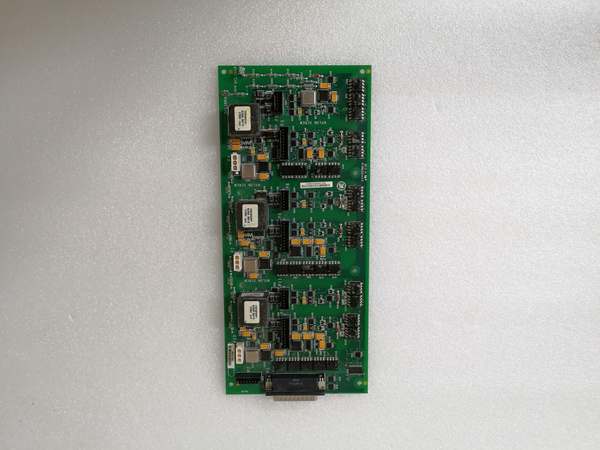
In the GE AE series ecosystem, the “IS210AEPA” is fundamentally a power and communication interface board tailored for alternative energy applications. The “H1CAFA” suffix dictates the module’s specific operational behavior and compatibility parameters within a Mark VIe rack.
- Unique Hardware Identification (HW_ID) & Firmware Binding: The Mark VIe controller performs a strict handshake protocol to verify the identity of connected hardware. The “CAFA” suffix corresponds to a unique HW_ID and a specific firmware image stored in the module’s memory. This binding is critical for maintaining compatibility with older ToolboxST project files and prevents “Hardware Key Mismatch” errors during system upgrades.
- Foundational “H1” Hardware Revision: As the first digit in the “H” revision series, the “H1” hardware incorporates the base-level refinements for the Mark VIe era. This includes updated timing circuits, improved voltage regulation for the DSP, and standard EMI/ESD suppression components required for the noisy electrical environments found in wind turbine nacelles.
- Application-Specific “CAFA” Firmware Load: The “CAFA” configuration is not a standard generic load. It is meticulously mapped to specific customer application codes or regional grid compliance standards (e.g., FERC, ENTSO-E). This firmware allows the module to handle complex tasks like power factor correction, rotor speed monitoring, and converter gating signals, making it a highly specialized asset in the renewable energy sector.
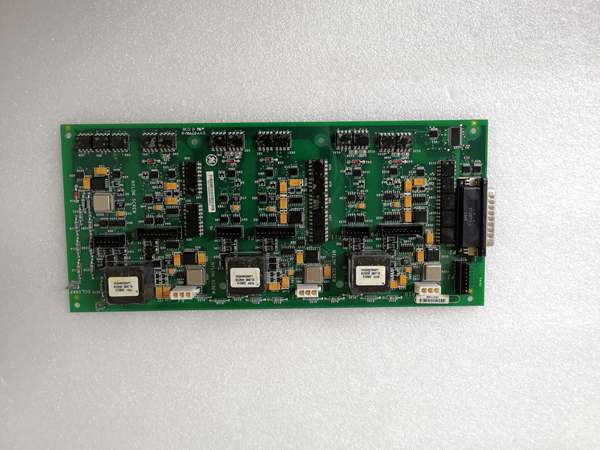
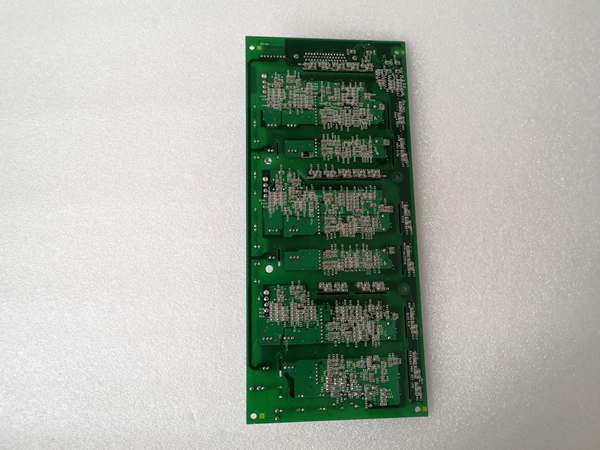
GE IS210AEBIH3B
Field Service Pitfalls: What Rookies Get Wrong
The “Substitute Teacher” Firmware Failure
A wind farm technician is performing a forced outage on a turbine experiencing frequent “Converter Overcurrent” faults. Suspecting a faulty I/O board, the tech swaps the existing module with a standard IS210AEPAH1A module borrowed from a decommissioned gas turbine panel in the warehouse. Upon powering up the turbine and attempting to sync to the grid, the Mark VIe controller immediately throws a “Firmware Incompatibility” error. Worse, the mismatched firmware causes the pitch motors to receive incorrect command signals, resulting in a violent mechanical oscillation that triggers the nacelle’s vibration sensors and forces a hard trip.
- The Mistake: Assuming that identical base part numbers (IS210AEPA) and functional revisions (H1) guarantee cross-compatibility between different energy sectors (Gas vs. Wind). The technician ignored the critical “CAFA” suffix, which contains the application-specific logic required to safely control wind turbine power electronics.
- Field Rule: Never attempt to substitute an Alternative Energy (AEPA) module with a standard Turbine Control (AEBI/AEDB) module, even if the hardware appears identical. The suffix (especially 4+ character configurations like CAFA) dictates the application-specific safety logic and power electronics timing. Always verify the Bill of Materials (BOM) and use only the exact OEM-specified suffix for safety-critical renewable energy applications. If a replacement is unavailable, contact GE Renewables support to obtain the correct firmware image rather than risking a catastrophic mechanical failure.