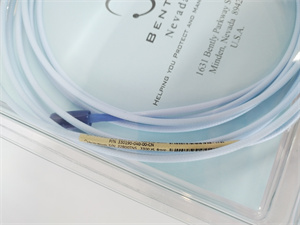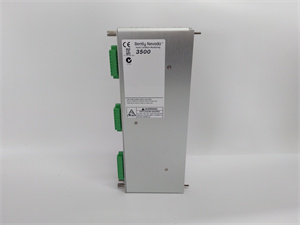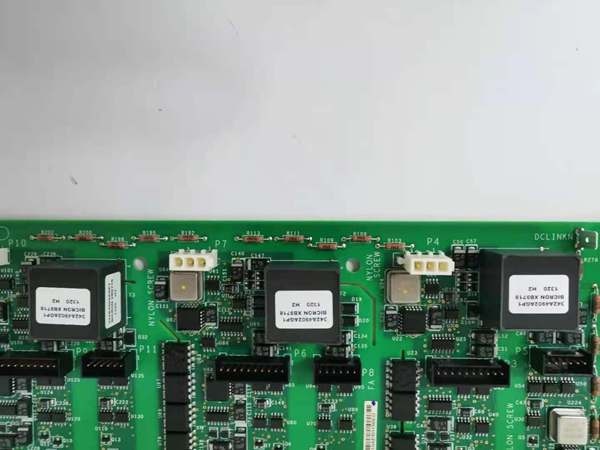
Description
Hard-Numbers: Technical Specifications
- Processor: High-speed Digital Signal Processor (DSP) (Manages deterministic control algorithms and high-speed communication protocol conversion).
- Communication Interface: GE Serial Peripheral Interface (SPI) / IONet for internal rack communication, plus external bridging interfaces (typically Ethernet or serial-based protocols like Modbus/Profibus).
- Functional Revision: H (8th Revision) (Signifies a highly mature hardware build with extensive EMI/ESD hardening, superior component tolerances, and refined circuit layouts compared to earlier revisions).
- Configuration Suffix: 3BBC (Denotes a unique factory hardware baseline, specific firmware image, or customer-specific configurations. The “3” indicates the hardware revision digit, while “BBC” points to a highly specific firmware load, security certificate set, or legacy protocol emulation layer).
- Operating Voltage: 24V DC to 48V DC (Nominal, via backplane or dedicated terminals).
- Operating Temperature: -40°C to +70°C (Built to withstand harsh outdoor and industrial environments).
- Signal Isolation: 1500V AC Channel-to-Channel, 2500V AC Channel-to-Ground (Provides robust protection against severe industrial electrical noise).
- Mounting: VME Rack Mount or DIN Rail (Dependent on the specific panel assembly).
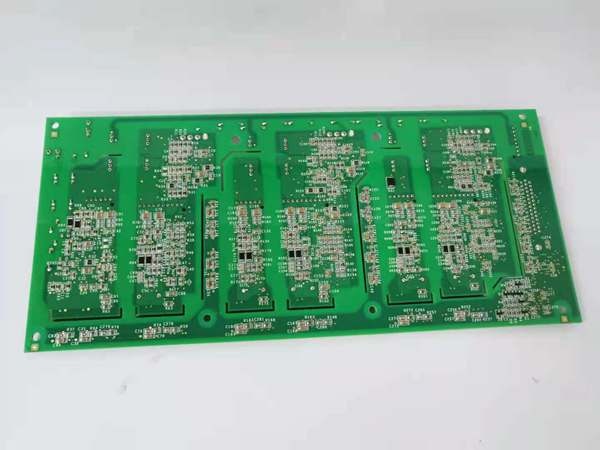
GE IS210AEBIH3BBC
The Real-World Problem It Solves
Imagine you are the lead controls engineer at a legacy combined-cycle power plant. The site originally commissioned its 7FA gas turbine with a Mark VI controller twenty years ago. Corporate now mandates migrating the entire plant to a modern Mark VIe platform. However, the plant’s vintage DCS relies on an obsolete serial communication protocol to receive turbine status updates. Re-engineering the DCS code is prohibitively expensive, yet the new Mark VIe controller cannot natively speak the old protocol.
The elegant solution is to deploy the module into the new Mark VIe control rack. Leveraging the robust “H3” hardware for stable high-speed processing, the module’s “BBC” firmware baseline is pre-configured to emulate the legacy communication stack. You simply map the modern Mark VIe global variables to the module, and it seamlessly translates them into the obsolete protocol frames the old DCS expects.
The migration is completed over a single weekend without touching a single line of DCS code. The plant avoids hundreds of thousands of dollars in integration fees, and the turbine comes back online smoothly, bridging the gap between cutting-edge control and legacy infrastructure.
Where you’ll typically find it:
- Legacy Migration Projects: Power plants upgrading from Mark VI or Mark V to Mark VIe, requiring backward compatibility with existing plant networks.
- Global Independent Power Producers (IPPs): Providing a cost-effective, region-specific bridge for international turbine frames to interface with diverse third-party DCS platforms.
- Heavy Manufacturing & Refineries: Retrofitting aging compressor stations to communicate with modern SCADA systems without disrupting core process logic.
It acts as a highly specialized, trusted protocol chameleon, ensuring that modern turbine controls can seamlessly converse with older enterprise networks without introducing latency or security vulnerabilities.
Hardware Architecture & Under-the-Hood Logic
In the GE AE series ecosystem, the “IS210AEBI” is fundamentally a communication and interface board. The “H3BBC” suffix is not just a random string; it dictates the module’s specific operational behavior and compatibility parameters within a Mark VIe rack.
- Unique Hardware Identification (HW_ID) & Firmware Binding: The Mark VIe controller performs a strict handshake protocol to verify the identity of connected hardware. The “BBC” suffix corresponds to a unique HW_ID and a specific, legacy-oriented firmware image stored in the module’s memory. This binding is critical for maintaining backward compatibility with older ToolboxST project files, effectively preventing “Hardware Key Mismatch” errors during system upgrades.
- Mature “H3” Hardware Revision: Building upon the “H1” foundation, the “H3” hardware digit incorporates further refinements. These often include updated timing capacitors, improved voltage regulation for the DSP, and enhanced EMI/ESD suppression components. This makes the H3 variant exceptionally stable in electrically noisy industrial environments, ensuring deterministic data packet delivery.
- Protocol Emulation & Legacy Bridging: The “BBC” firmware load is specifically tailored for complex integrations. It allows the module to act as a protocol translator, converting modern IONet data packets into legacy serial streams or proprietary formats. This hardware-firmware pairing is meticulously mapped to specific customer application codes, making it a highly specialized asset.
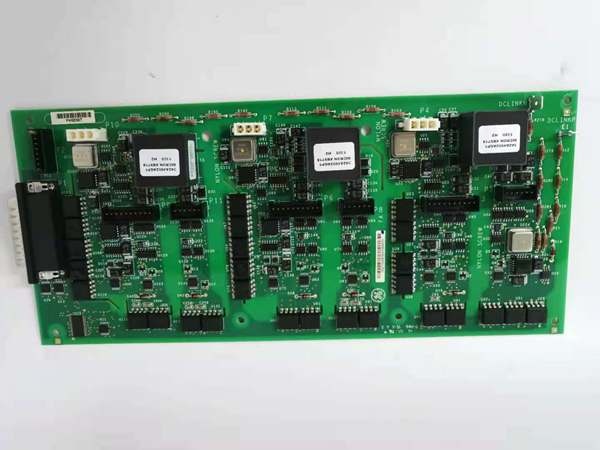
GE IS210AEBIH3BBC
Field Service Pitfalls: What Rookies Get Wrong
The “Close Enough” Firmware Mismatch
A maintenance team at a refinery experiences a total communication failure between the Mark VIe rack and the main plant SCADA during a scheduled turbine startup. The lead technician traces the fault to a dead module. Panicking due to startup deadlines, the tech grabs a universal spare from the central warehouse—an IS210AEBIH1BAA—assuming the different suffix is negligible. After installing the BAA module, the controller throws a fatal “Hardware Key Mismatch” alarm and refuses to boot the application code. The startup is delayed by 12 hours, costing the plant significant penalties.
- The Mistake: Underestimating the importance of the firmware suffix in communication modules. The “H3BBC” module contained a highly specific legacy protocol emulation layer and security certificates mapped directly into the turbine’s application code. The generic “H1BAA” module, while electrically identical, lacked the specific firmware handshake keys and protocol drivers required by that particular ToolboxST project.
- Field Rule: In networked turbine controls, the suffix is just as critical as the base part number. Never swap a communication module with a different suffix unless you have the exact matching replacement or explicit written authorization from the OEM/lead engineer to perform a firmware reflash with the correct image. A 5-second check of the spare’s label can save 12 hours of unplanned downtime.