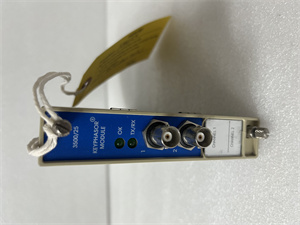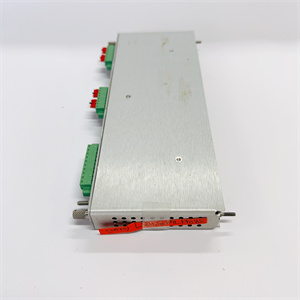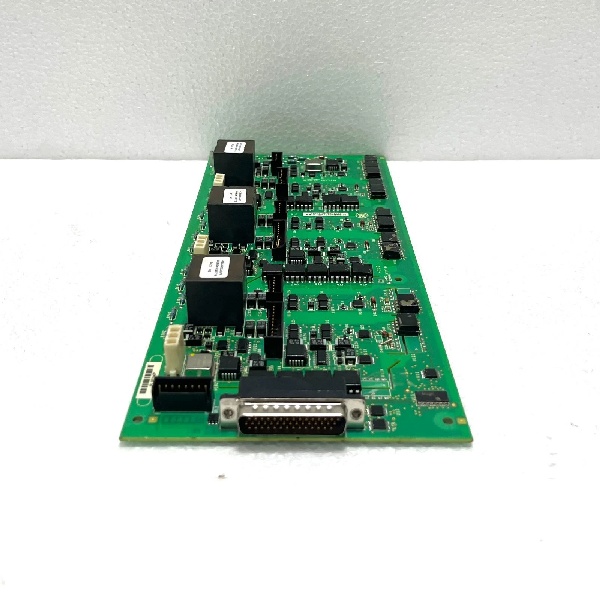
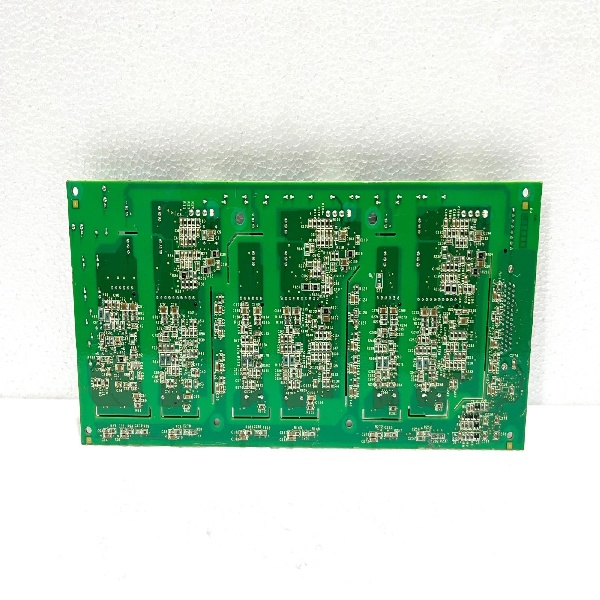
Description
Hard-Numbers: Technical Specifications
- Processor: High-speed Digital Signal Processor (DSP) (Handles deterministic control algorithms and high-speed communication protocol conversion).
- Communication Interface: GE Serial Peripheral Interface (SPI) / IONet for internal rack communication, plus external bridging interfaces (likely Ethernet or serial-based protocols like Modbus).
- Functional Revision: H (8th Revision) (Indicates a highly mature hardware build with extensive EMI/ESD hardening, superior component tolerances, and refined circuit layouts compared to earlier revisions).
- Configuration Suffix: BBC (Denotes a unique factory hardware baseline, specific firmware image, or customer-specific configurations).
- Operating Voltage: 24V DC to 48V DC (Nominal, via backplane or dedicated terminals).
- Operating Temperature: -40°C to +70°C (Designed for harsh outdoor and industrial environments).
- Signal Isolation: 1500V AC Channel-to-Channel, 2500V AC Channel-to-Ground (Protects against severe industrial electrical noise).
- Mounting: VME Rack Mount or DIN Rail (Dependent on the specific panel assembly).
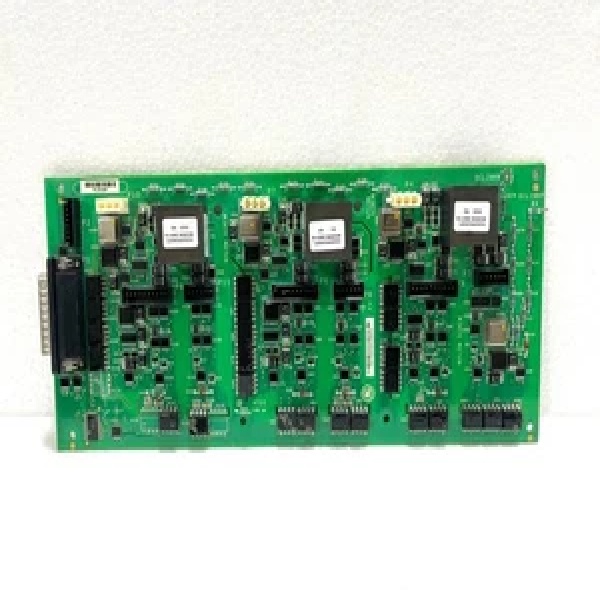
IS210AEBIH1BAA
The Real-World Problem It Solves
You are the controls lead for a dual-fuel combined-cycle power plant. The plant’s DCS requires real-time fuel valve positioning and exhaust temperature data to optimize the overall plant efficiency. However, corporate IT has recently segmented the plant’s networks into strictly isolated VLANs to comply with new cybersecurity mandates. The Mark VIe controller is now air-gapped from the DCS, and physical wiring new analog loops is too expensive and slow.
The solution is to integrate the IS210AEBIH1BBC into the Mark VIe rack. Leveraging the robust “H1” hardware, the “BBC” firmware is specifically configured to handle complex, multi-cast data routing across isolated networks. You configure the module to subscribe to the specific process variables on the IONet. The AEBI then packages this data into an OPC-UA compliant format and pushes it through a dedicated fiber uplink to the DCS VLAN, completely bypassing the need for physical analog signal wiring.
The project is completed in under 4 hours. The DCS receives high-fidelity digital data directly from the turbine controller, corporate IT is satisfied that the control network remains secure and isolated, and the plant avoids the massive CAPEX of running new instrument cables.
Where you’ll typically find it:
- Cybersecurity Retrofits: In power plants upgrading their OT networks to comply with NERC CIP or IEC 62443 standards without altering legacy turbine controls.
- Multi-Vendor Power Stations: Bridging GE Mark VIe controls with non-GE DCS platforms (e.g., Emerson Ovation, Honeywell TDC3000) in older facilities.
- Remote Monitoring Hubs: Serving as a secure, high-throughput gateway for piping turbine data to cloud-based predictive maintenance platforms.
It acts as a highly specialized, trusted protocol bridge, ensuring that external enterprise networks can securely access vital turbine data without introducing latency or security vulnerabilities to the core control loops.
Hardware Architecture & Under-the-Hood Logic
The “H1BBC” suffix indicates a specific, highly stable manufacturing variant of the base IS210AEBI module, tailored for complex networking applications. While it shares the same core architecture as other AE series modules, the “H1BBC” designation is critical for system integrity in modern, segmented network environments.
- Unique Hardware Identification (HW_ID) & Firmware Binding: The Mark VIe controller uses a strict handshake protocol to verify the identity of connected hardware. The “BBC” suffix corresponds to a unique HW_ID and a specific firmware image stored in the module’s memory. This ensures the module interacts correctly with the specific data structures of the host controller, preventing “Hardware Key Mismatch” errors.
- Mature “H1” Hardware Revision: In GE nomenclature, “H” represents the 8th major functional revision. A Rev “H” board features highly refined circuit layouts, improved resistance to electromagnetic interference (EMI) and electrostatic discharge (ESD), and stricter timing margins. The “1” sub-revision ensures stable, long-term data throughput without packet loss.
- Network Segmentation & Security: By designating a specific module like the IS210AEBIH1BBC for external communications, engineers can physically and logically isolate the critical turbine control network from the corporate or plant-wide network. This adheres to the Purdue Model for Industrial Cybersecurity, ensuring that a cyberattack on the corporate network cannot propagate to the turbine controller.

IS210AEBIH1BAA
Field Service Pitfalls: What Rookies Get Wrong
Ignoring the Suffix in High-Security Environments
A plant is experiencing intermittent data loss between the Mark VIe and the SCADA system. A junior technician identifies a faulty AEBI module and replaces it with a spare from the shelf. The spare is an IS210AEBIH1BAA, which the technician believes is “close enough” to the original IS210AEBIH1BBC.
- The Mistake: Overlooking the critical differences in the firmware baselines denoted by the “BAA” vs. “BBC” suffixes. The “BAA” module has a generic Modbus TCP stack, while the “BBC” module was specifically configured with custom OPC-UA certificates and a unique IP routing table to traverse the plant’s segmented VLANs. When the controller boots with the “BAA” module, the handshake fails because the firmware doesn’t match the secured project file. This results in a “Hardware Key Mismatch” alarm, and the SCADA link remains down.
- Field Rule: In networked environments, the suffix is just as important as the base part number. Always match the full part number exactly. If an exact spare is unavailable, do not guess—consult the site’s lead controls engineer. Swapping communication modules with mismatched firmware in a live plant can cause widespread data outages and potentially trigger unnecessary turbine trips if the control system perceives a critical communication failure.