Description
Hard-Numbers: Technical Specifications
- Processor: High-speed Digital Signal Processor (DSP) (Handles deterministic control algorithms and high-speed communication protocol conversion).
- Communication Interface: GE Serial Peripheral Interface (SPI) / IONet for internal rack communication, plus external bridging interfaces (likely Ethernet or serial-based protocols like Modbus).
- Functional Revision: H (8th Revision) (Indicates a highly mature hardware build with extensive EMI/ESD hardening, superior component tolerances, and refined circuit layouts compared to earlier revisions).
- Configuration Suffix: BAA (Denotes a unique factory hardware baseline, specific firmware image, or customer-specific configurations, often associated with standard industry protocol stacks).
- Operating Voltage: 24V DC to 48V DC (Nominal, via backplane or dedicated terminals).
- Operating Temperature: -40°C to +70°C (Designed for harsh outdoor and industrial environments).
- Signal Isolation: 1500V AC Channel-to-Channel, 2500V AC Channel-to-Ground (Protects against severe industrial electrical noise).
- Mounting: VME Rack Mount or DIN Rail (Dependent on the specific panel assembly).
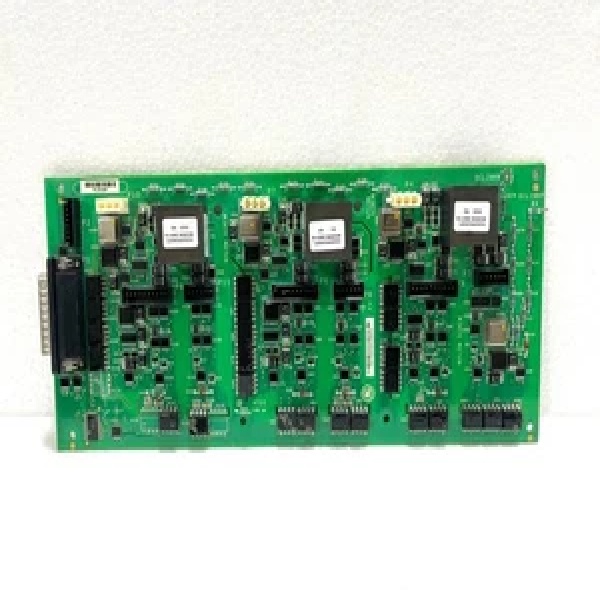
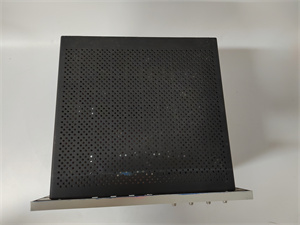
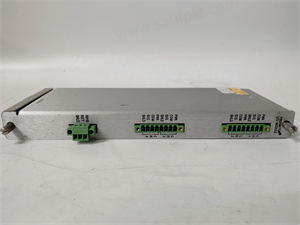
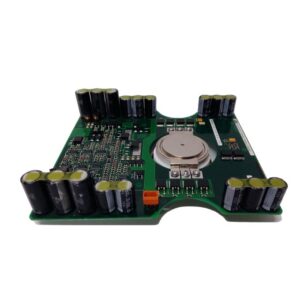
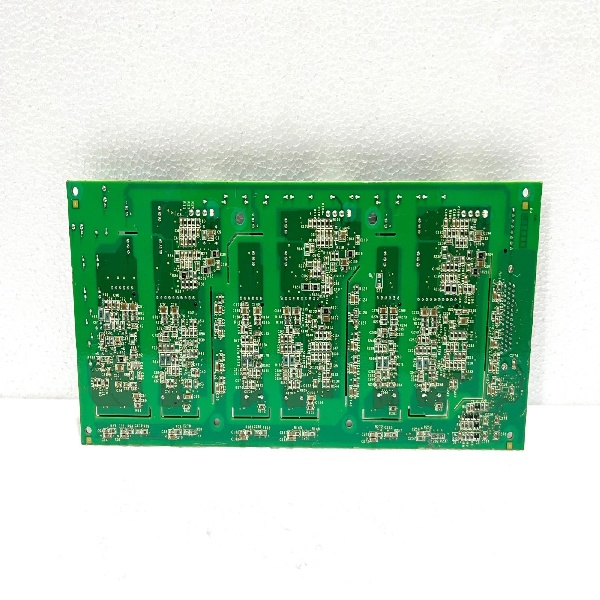
IS210AEBIH1BAA
The Real-World Problem It Solves
You are the lead controls engineer for a municipal waste-to-energy plant. The facility’s original Mark VIe control system, installed a decade ago, communicates with the plant’s DCS using a now-obsolete proprietary serial communication protocol. Corporate has mandated a transition to a modern Ethernet-based SCADA system, but the plant cannot afford the downtime or the massive engineering cost required to rewrite the core turbine control logic.
The solution is to deploy the IS210AEBIH1BAA module into an empty slot in the existing control rack. Utilizing the robust “H1” hardware for stable high-speed processing, the module’s “BAA” firmware baseline is pre-configured with a versatile Modbus TCP/IP server/client stack. You configure the module to act as a protocol translator: it seamlessly extracts real-time data (like steam header pressure, turbine RPM, and bearing vibrations) from the Mark VIe’s IONet and maps it directly to standard Modbus registers.
The plant’s new SCADA system connects to the H1BAA module over Ethernet, completely bypassing the need to alter the legacy turbine code. The upgrade is completed over a single weekend, saving the municipality hundreds of thousands of dollars in engineering fees and keeping the turbine在线 (online) and generating revenue.
Where you’ll typically find it:
- Municipal Waste & Biomass Plants: Retrofitting legacy Mark VIe racks to communicate with modern DCS platforms without altering core control strategies.
- Water Treatment & Pump Stations: Serving as a standard Ethernet gateway to connect turbine-driven pumps to city-wide monitoring networks.
- Independent Power Producers (IPPs): Providing a cost-effective, backward-compatible bridge for older frames (like 7FA or 9E) to feed data into modern Asset Performance Management (APM) software.
It acts as a highly specialized, trusted protocol bridge, ensuring that external enterprise networks can securely access vital turbine data without introducing latency or security vulnerabilities to the core control loops.
Hardware Architecture & Under-the-Hood Logic
The “H1BAA” suffix indicates a specific, highly stable manufacturing variant of the base IS210AEBI module, tailored for broad compatibility in energy bridge applications. While it shares the same core architecture as other AE series modules, the “H1BAA” designation is critical for system integrity in retrofit and upgrade scenarios.
- Unique Hardware Identification (HW_ID) & Firmware Binding: The Mark VIe controller uses a strict handshake protocol to verify the identity of connected hardware. The “BAA” suffix corresponds to a unique HW_ID and a specific, widely-deployed firmware image stored in the module’s memory. This ensures extreme backward compatibility with older ToolboxST project files, preventing “Hardware Key Mismatch” errors during system upgrades.
- Mature “H1” Hardware Revision: In GE nomenclature, “H” represents the 8th major functional revision. A Rev “H” board features highly refined circuit layouts, improved resistance to electromagnetic interference (EMI) and electrostatic discharge (ESD), and stricter timing margins. The “1” sub-revision ensures stable, long-term data throughput without packet loss.
- Versatile Protocol Translation: The “BAA” firmware load is often a generalized configuration, making it incredibly versatile. It typically supports standard industrial protocols (e.g., Modbus RTU/TCP, EGD), allowing it to bridge the proprietary IONet/SPI data packets to almost any third-party DCS or SCADA system out of the box.
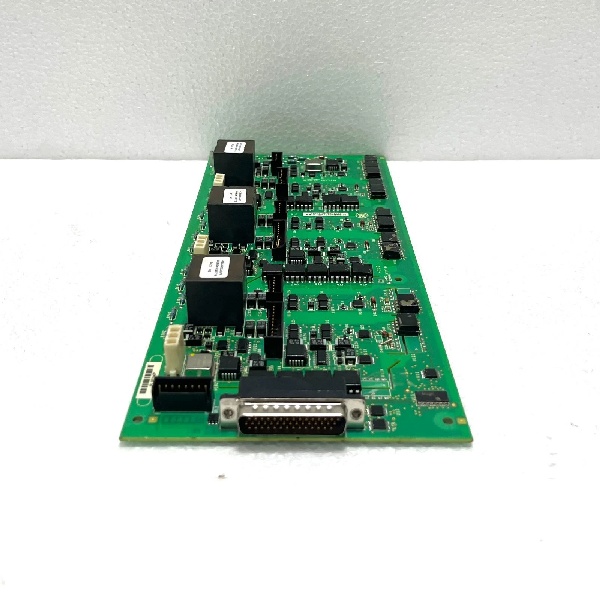
IS210AEBIH1BAA
Field Service Pitfalls: What Rookies Get Wrong
Overwriting the Configuration During a Replacement
A maintenance technician is tasked with replacing a suspected faulty IS210AEBIH1BAA module because the plant’s SCADA system is experiencing random data dropouts. The technician wisely grabs the exact matching spare (IS210AEBIH1BAA) from the storeroom. However, eager to get the system back online quickly, the technician performs a “Hardware Update” in ToolboxST and blindly clicks through the wizard, loading a generic AEBI firmware image (.fwi) from the controller’s download folder.
- The Mistake: Assuming all AEBI modules are created equal. By overwriting the factory-loaded “BAA” firmware and its associated configuration tables with a generic image, the technician inadvertently wipes the module’s specific network parameters (IP address, subnet, gateway) and its precise IONet data mapping. When the turbine is restarted, the SCADA link remains dead because the module is no longer speaking the correct protocol or addressing the right registers.
- Field Rule: Never arbitrarily re-flash the firmware on a bridge module unless absolutely necessary. If a direct, like-for-like swap is performed (same Part Number and Suffix), the module’s configuration is usually preserved in its own non-volatile memory. Only perform a firmware update if the replacement module has a different suffix, and always back up the controller’s hardware configuration file (*.hci) and the module’s settings via ToolboxST beforemaking any changes.