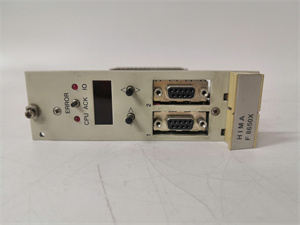
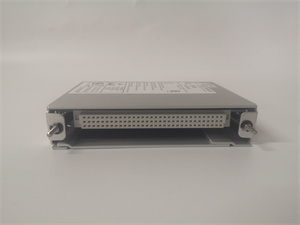
Description
Hard-Numbers: Technical Specifications
- Processor: High-speed Digital Signal Processor (DSP) (Executes complex, deterministic control algorithms with faster instruction cycles than Rev 2).
- Communication Interface: GE Serial Peripheral Interface (SPI) / IONet, ensuring low-latency data exchange with the main controller.
- Functional Revision: 3 (Incorporates hardware bug fixes, enhanced ESD protection, and improved timing margins over Revision 2).
- Configuration Suffix: B (Denotes a specific firmware baseline, hardware options, or regional/customer-specific configurations).
- Operating Voltage: 24V DC (Nominal, via backplane or dedicated terminals; some variants support up to 48V DC).
- Operating Temperature: -40°C to +70°C (Designed for harsh outdoor and industrial environments).
- Signal Isolation: 1500V AC Channel-to-Channel, 2500V AC Channel-to-Ground (Protects against severe industrial electrical noise).
- Mounting: VME Rack Mount (6U height) or DIN Rail.
- I/O Capabilities: Configurable analog and digital I/O channels (commonly 8-16 channels) with 16-bit resolution for precise data acquisition.
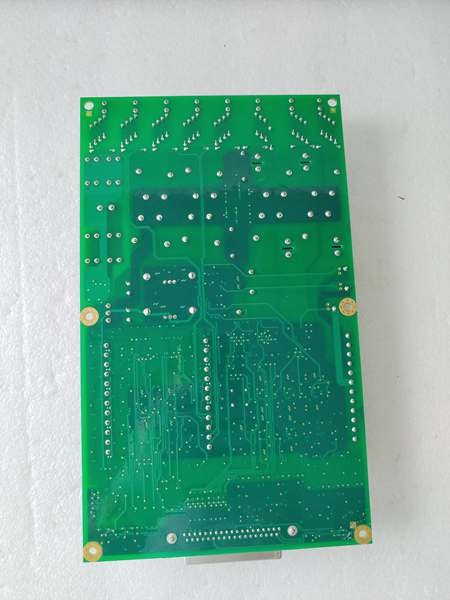
GE IS210AEAAH2BHB
The Real-World Problem It Solves
You are the lead controls engineer for a combined-cycle power plant undergoing a major Mark VIe control system upgrade. During the commissioning phase, the new application code—which includes advanced thermodynamic calculations for optimized fuel efficiency—overwhelms the older Rev 2 I/O modules, causing occasional “Task Overrun” faults and analog input ringing during transient load swings.
You spec the IS210AEAAH3B as a direct replacement. The Rev 3 hardware features a more powerful DSP and optimized memory architecture that effortlessly handles the increased computational load of the new control sequences. Furthermore, the “3B” hardware key perfectly aligns with the compiled ToolboxST project, eliminating the “Hardware Mismatch” errors that plagued the initial startup. The plant successfully synchronizes to the grid, operating with tighter emissions control and improved transient response.
Where you’ll typically find it:
- Combined-Cycle Power Plants: In steam and gas turbine control panels requiring high-speed data processing for combustion dynamics and emissions monitoring.
- Wind Turbine Nacelles: Controlling pitch and yaw systems where the enhanced DSP handles high-frequency feedback loops from advanced vortex generators.
- Oil & Gas Compressor Stations: Managing high-speed reciprocating compressors where precise rod-drop monitoring and vibration analysis are critical.
It acts as a high-performance interface node, ensuring that the Mark VIe controller receives accurately processed and conditioned data from the field, maintaining the integrity of complex control strategies even under heavy computational loads.
Hardware Architecture & Under-the-Hood Logic
The “3B” in the part number signifies the third major functional revision of the base IS210AEAAH module. The jump from Rev 2 to Rev 3 usually involves significant hardware upgrades to support evolving control algorithms and stricter industry standards.
- Enhanced DSP and Memory Architecture: The Rev 3 board is equipped with a more advanced DSP offering higher MIPS (Million Instructions Per Second) and expanded onboard memory (RAM and non-volatile flash). This allows the module to execute more complex built-in function blocks (e.g., advanced PID loops, lead-lag compensators) directly at the I/O level, reducing the burden on the main Mark VIe controller.
- Unique Hardware Identification (HW_ID) & Firmware Binding: The Mark VIe controller employs a strict checksum and hardware key verification process during boot-up. The “3B” suffix corresponds to a unique HW_ID and a specific firmware image (
.fwi) stored in the module’s flash memory. The controller will halt and display a “Hardware Configuration Error” if the HW_ID does not match the one defined in the downloaded application code, preventing potentially dangerous control mismatches. - Improved Signal Conditioning and Noise Immunity: Revision 3 incorporates upgraded analog front-end components, including higher-grade op-amps and more aggressive digital filtering (configurable via ToolboxST). This results in superior rejection of electromagnetic interference (EMI) and radio-frequency interference (RFI), which is crucial in environments with high-voltage switchgear and Variable Frequency Drives (VFDs).
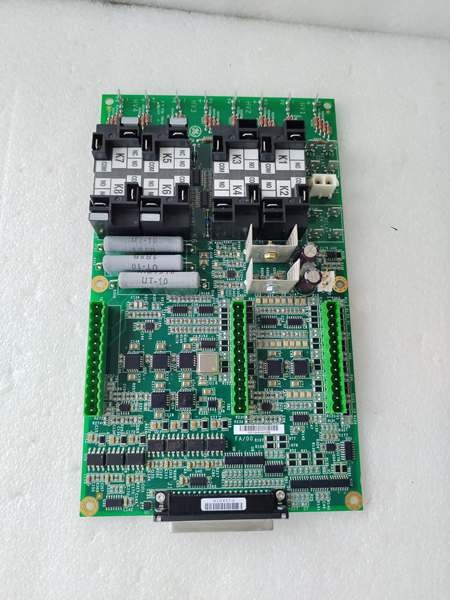
GE IS210AEAAH2BHB
Field Service Pitfalls: What Rookies Get Wrong
Overlooking Firmware Dependencies During Rev Upgrades
A maintenance technician is tasked with replacing a faulty IS210AEAAH2B module. To “future-proof” the asset, they decide to install a spare IS210AEAAH3B they found in the warehouse. Although the system boots, the Mark VIe controller eventually throws a “Firmware Checksum Invalid” alarm, causing a turbine trip during peak demand.
- The Mistake: Assuming that a higher revision number automatically implies full backward compatibility. The Rev 3 hardware requires a specific firmware version (often bundled with newer versions of the ToolboxST software) to communicate correctly with older application codebases.
- Field Rule: Never mix hardware revisions without first consulting the GE Mark VIe Product Compatibility Matrix and performing a firmware compatibility check. If upgrading a single module to Rev 3 in a rack containing Rev 2 modules, ensure your ToolboxST project is configured to support mixed-revision environments, and always perform a full system backup before attempting the swap.