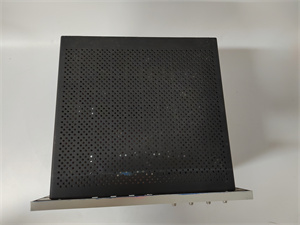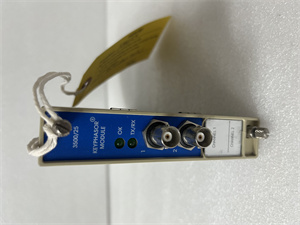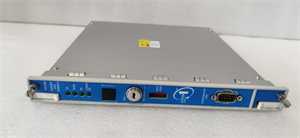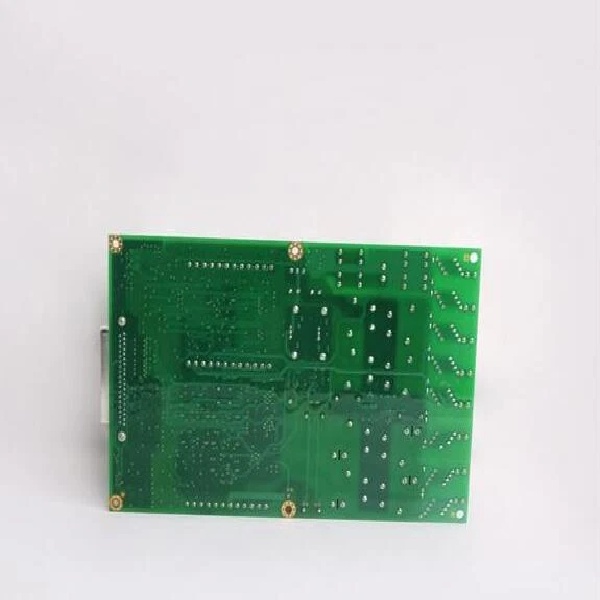
Description
Hard-Numbers: Technical Specifications
- Processor: High-speed Digital Signal Processor (DSP) (Executes deterministic control algorithms)
- Communication Interface: GE Serial Peripheral Interface (SPI) / IONet, plus support for Modbus RTU, Ethernet/IP, Profinet, and DNP3
- Functional Revision: 2 (Includes hardware bug fixes, improved component tolerances, and enhanced reliability over Revision 1)
- Configuration Suffix: B (Denotes specific firmware baseline, hardware options, or regional configurations)
- Operating Voltage: 24V DC (Nominal, via backplane or dedicated terminals)
- Operating Temperature: -40°C to +70°C (Designed for harsh outdoor and industrial environments)
- Protection: Conformal Coated (Provides enhanced resistance to moisture, dust, and corrosive elements)
- Signal Isolation: 1500V AC Channel-to-Channel, 2500V AC Channel-to-Ground (Protects against severe industrial electrical noise)
- Mounting: VME Rack Mount or DIN Rail (Dependent on the specific panel assembly)
- Connectors: 32-bit D-type connector and screw-clamp terminals for field wiring .
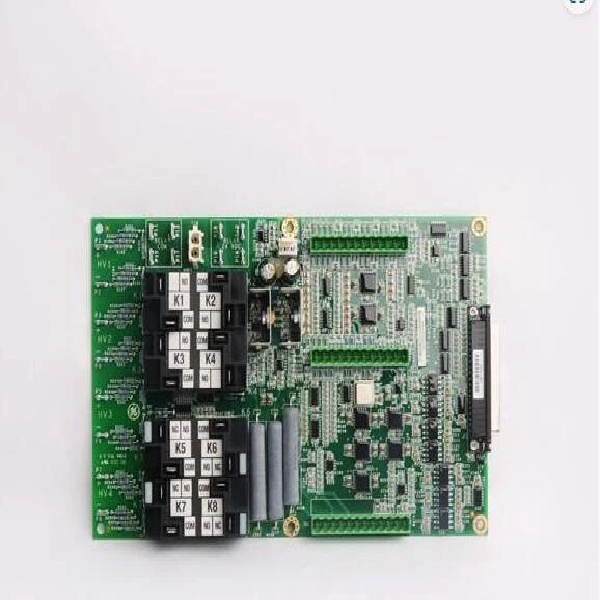
IS210AEAAH1B
The Real-World Problem It Solves
You are the head control systems engineer for a wind farm that has recently undergone a major upgrade from the older Mark V to the Mark VIe control platform. During the stressful commissioning phase, your team experiences intermittent communication dropouts and analog input spikes on several turbines during high winds. After extensive troubleshooting, you trace the issue to the I/O modules in the nacelle. The original Rev 1 modules are struggling with the increased data throughput and electromagnetic interference (EMI) from the new, more powerful pitch motors. You spec and install the IS210AEAAH2B modules as a direct replacement. The “Rev 2” hardware easily handles the increased SPI bus traffic, and the enhanced conformal coating protects the boards from the humid, dusty environment inside the nacelle . Because the “B” suffix matches the hardware key expected by your newly compiled Mark VIe application code, the turbines boot up without a hitch, finally allowing the farm to sync to the grid and start generating revenue .
Where you’ll typically find it:
- Wind Turbine Nacelles: Deployed in GE 1.5MW and other wind turbines as a critical control and I/O interface node within the Mark VIe turbine control system .
- Gas Turbine Auxiliary Panels: Controlling balance-of-plant (BOP) equipment, lube oil consoles, and fire suppression systems where enhanced noise immunity (Rev 2) is required .
- Offshore Platforms & Coastal Sites: Utilized in highly corrosive environments where the conformal coating provides essential protection against salt spray and condensation .
It acts as a highly robust, trusted interface node, ensuring that the Mark VIe controller receives perfectly scaled and conditioned data from the field, maintaining the integrity of the turbine’s safety and control loops even under heavy EMI and harsh atmospheric conditions .
Hardware Architecture & Under-the-Hood Logic
The “2B” in the part number indicates that this is the second major functional revision of the base IS210AEAAH2 module . The jump from Rev 1 to Rev 2 usually addresses specific hardware errata or enhances performance margins.
- Unique Hardware Identification (HW_ID) & Firmware Binding: The Mark VIe controller uses a strict handshake protocol to verify the identity of connected hardware. The “2B” suffix corresponds to a unique HW_ID stored in the module’s memory . The controller will only execute the control program if the HW_ID and firmware checksums match the expectations of the downloaded application code. Attempting to plug a Rev 1 card into a system expecting a Rev 2 card will result in a “Hardware Key Mismatch” fault .
- Enhanced DSP Processing & EMI Filtering: Revision 2 of the AEAA board features an updated DSP with faster instruction execution times and improved floating-point performance . Furthermore, the PCB layout has been optimized to provide better separation between analog and digital grounds, significantly reducing the impact of ground loops and EMI—a common issue in tightly packed wind turbine nacelles .
- Robust Power Supply Regulation: The “2B” variant incorporates upgraded voltage regulators capable of handling wider input voltage fluctuations . This ensures that the sensitive 3.3V and 1.8V logic rails powering the DSP and communication transceivers remain rock-solid, even when the 24V DC supply from the turbine’s uninterruptible power supply (UPS) experiences brownouts or surges during grid disturbances .
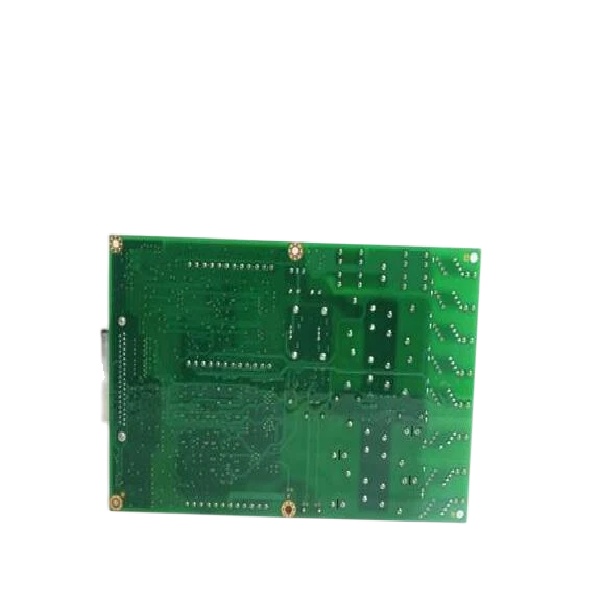
IS210AEAAH1B
Field Service Pitfalls: What Rookies Get Wrong
Ignoring the Functional Revision (Rev 2 vs Rev 1)
A maintenance technician is dispatched to troubleshoot a persistent “Watchdog Timeout” alarm on a Mark VIe controller. The alarm logs point to a failed AEAA I/O module. The technician finds a spare IS210AEAAH1B in the storeroom and installs it, thinking the functional revision doesn’t matter as long as the base part number (IS210AEAAH) matches. The system boots, but within minutes, the controller throws a “Hardware Configuration Error” and shuts down the turbine .
- The Mistake: Assuming functional revisions are backward compatible. The Rev 1 hardware lacked the necessary timing tolerances and SPI bus speed support required by the newer Mark VIe controller firmware .
- Field Rule: Always match the functional revision (the “2” in “2B”) when replacing critical I/O modules in a Mark VIe rack . If a direct replacement isn’t available, consult the GE Mark VIe Product Compatibility Matrix or contact GE support before attempting a substitution. Mixing rev levels can lead to subtle timing errors that cause intermittent trips, which are far more difficult and expensive to diagnose than a simple hardware mismatch .