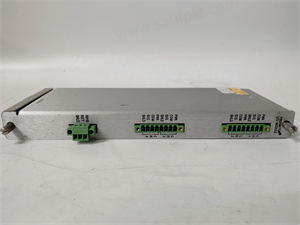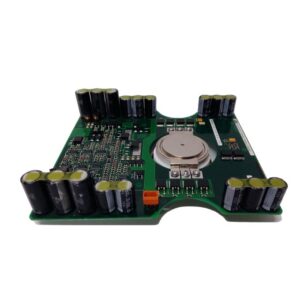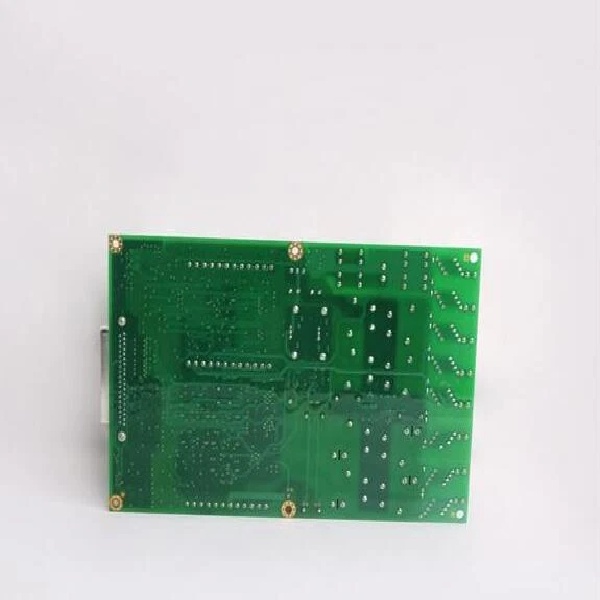
Description
Hard-Numbers: Technical Specifications
- Processor: High-speed Digital Signal Processor (DSP) (Manages complex control algorithms and signal filtering)
- Communication Interface: IONet / VME Backplane (Seamless integration with Mark VIe controllers)
- Functional Revision: B (Incorporates specific hardware updates and bug fixes from earlier revisions)
- Configuration Suffix: EA (Denotes a specific factory hardware configuration, jumper setting, or firmware baseline)
- Operating Voltage: 24V DC (Nominal, via backplane or dedicated terminals)
- Operating Temperature: 0°C to +60°C (Standard control room/enclosure environment)
- Mounting: VME Rack Mount or DIN Rail (Depending on the specific panel assembly)
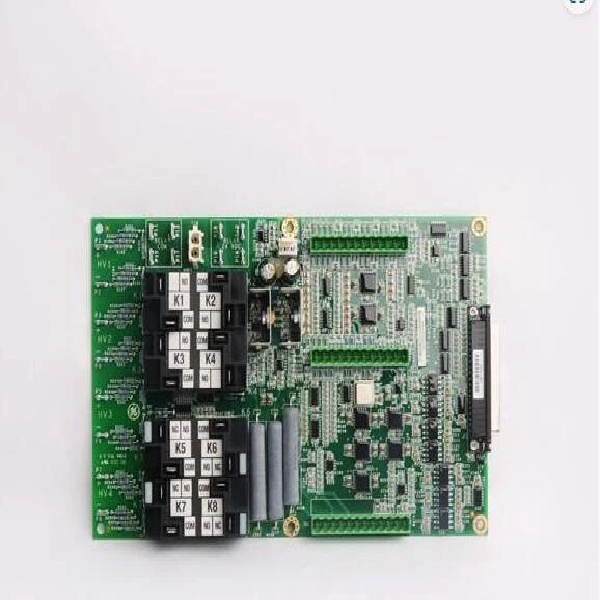
IS210AEAAH1B
The Real-World Problem It Solves
You are performing a scheduled overhaul on a Mark VIe-controlled gas turbine that has been in operation for over a decade. One of the original AE analog I/O boards fails, and you attempt to replace it with a newer, readily available IS210AEAAH1B. Upon powering up the system, the Mark VIe controller throws a “Hardware Mismatch” or “Invalid Configuration” fault, preventing the turbine from starting. You realize that the original board was a highly specific “EA” configuration, and substituting a standard “B” revision causes a compatibility conflict. The IS210AEAAH1BEA solves this by being the exact, drop-in replacement that matches the legacy hardware fingerprint and firmware expectations of the existing turbine control logic .
Where you’ll typically find it:
- Legacy Mark VIe Retrofits: In systems where the original I/O configuration must be strictly maintained to avoid costly re-engineering of the control software .
- Specific Wind Turbine Pitch/Yaw Controls: Certain wind farm installations utilize the “EA” configuration for their specific blade pitch or yaw motor drive interfaces .
- Gas Turbine Fuel Staging Loops: Deployed in auxiliary control cabinets where the AE board manages the precise analog outputs required for multi-stage fuel gas valves .
It acts as the exact digital “key” required to unlock a legacy turbine’s control system, ensuring that the main processor recognizes and trusts the hardware before allowing the turbine to operate.
Hardware Architecture & Under-the-Hood Logic
The “H1BEA” designation places this board in a specific niche within the AE series. While it shares the same core DSP and communication architecture as other AE boards, the “EA” suffix indicates a specialized hardware build.
- Legacy Configuration Matching: In industrial controls, even a simple change in a pull-up resistor array or a different oscillator crystal can alter the board’s behavior. The “EA” configuration ensures that the analog input scaling and output drive characteristics perfectly match the original plant drawings and ToolboxST hardware definition files (.hwd). This eliminates the risk of “silent” signal scaling errors that could lead to incorrect valve positioning .
- VME Bus Interface Logic: Unlike newer distributed I/O packs that communicate primarily over Ethernet (IONet), the BEA is designed to sit on the VME backplane. It acts as a bus-master or slave, depending on the rack configuration, directly exchanging data with the main Mark VIe controller (e.g., an IS420UCSBH4) via the backplane. This provides deterministic, low-latency communication critical for high-speed protection schemes .
- Revision B Hardware Enhancements: The “B” functional revision typically includes improved noise filtering on the analog front-end and enhanced ESD (Electrostatic Discharge) protection compared to earlier revisions. This makes the BEA more robust against the electrical transients commonly found in turbine nacelles and power plant switchyards .
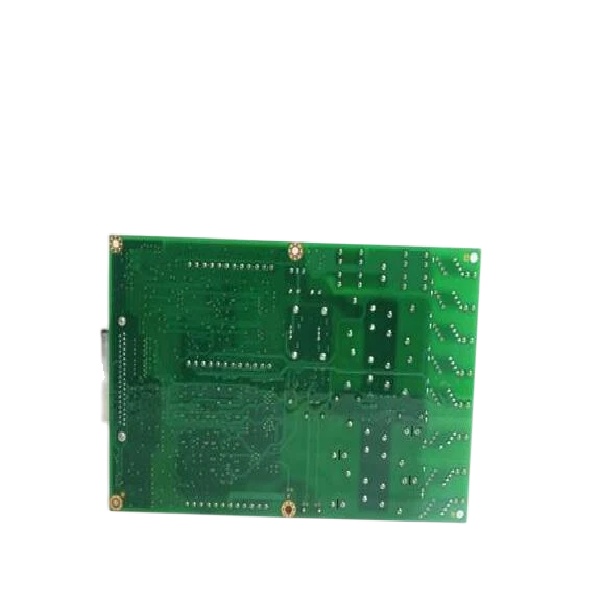
IS210AEAAH1B
Field Service Pitfalls: What Rookies Get Wrong
Blindly Substituting “Similar” Part Numbers
A maintenance planner sees a stocked IS210AEAAH1B and uses it to replace a failed IS210AEAAH1BEA to save time. The turbine refuses to synchronize to the grid, and the HMI logs show intermittent “Analog Input 1 Out of Range” errors.
- The Mistake: Assuming that because the first 13 characters of the part number match, the boards are interchangeable. The “EA” suffix often dictates specific hardware strapping (jumper settings) or a fixed firmware image. Introducing a “B” revision into a system expecting an “EA” can cause subtle timing or voltage level mismatches on the analog inputs, leading to spurious trips during critical operations like grid synchronization.
- Field Rule: In turbine controls, the full 15-character part number matters. Always verify the exact revision and suffix against the “Control System Hardware Inventory” document for that specific unit. If an exact match isn’t available, consult the GE Mark VIe migration guides or use the ToolboxST software to check if the firmware on the replacement board can be downgraded or reconfigured to match the legacy “EA” profile.
Overwriting Custom Firmware During Recovery
A technician successfully replaces a failed BEA board with a spare. To get it working, they use the “Update Firmware” tool in ToolboxST, loading the latest generic AE series firmware from the internet. The board comes online, but the exhaust temperature spreads are wildly inaccurate, triggering a compressor stall alarm.
- The Mistake: The “EA” hardware configuration often requires a specific, legacy firmware version that matches the original factory build. Flashing the latest generic firmware erases the customized calibration constants and control loop timing parameters stored in the board’s non-volatile memory.
- Quick Fix: Never flash a replacement board with random firmware from the web. Before replacing any Mark VIe hardware, use ToolboxST to perform a “Read All” on the failing board (if possible) or locate the original
.fwifirmware file in the turbine’s project directory (usually stored on the HMI server). Always flash the replacement board with the exact same firmware versionthat was running on the failed unit.