Description
Hard-Numbers: Technical Specifications
- Total Output Power: 400 Watts
- Input Voltage: 125 VDC (Nominal, from external Power Distribution Module)
- Output Voltages: +5 VDC, ±12 VDC, ±15 VDC, ±28 VDC
- Specialized Outputs: 335 VDC (Optional, for TRPG flame detectors), 28 VDC Remote (P28C/PS28 for external peripherals)
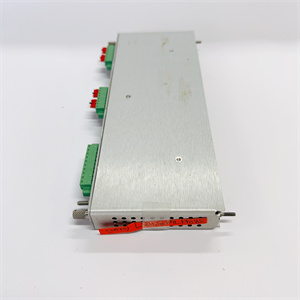
- Mounting Location: Right-hand side of the VME rack via sheet metal bracket
- Top Connectors: PSA, PSB (Cable harness to VME backplane)
- Bottom Connectors: PS125/PS24 (Input), PS335, PS28, PSSTAT (Status)
- Front Panel Controls: Locking toggle switch (On/Off/Fault Reset)
- Front Panel Indicators: Green (Normal), Yellow (Input Power), Red (Fault)
- Operating Temperature: 0°C to +60°C
- Agency Approvals: UL Listed, CE, CSA
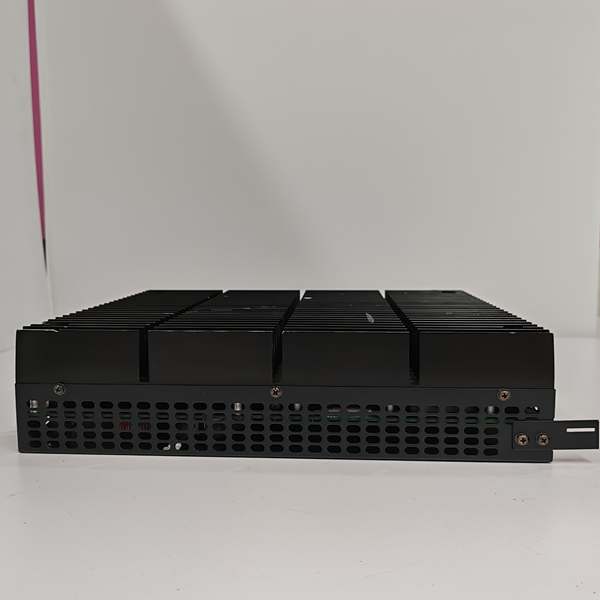
GE IS2020RKPSG3A
The Real-World Problem It Solves
You are upgrading the control panel for an aging gas turbine from an older Mark VI to a Mark VIe system. The original RKPS (G1 or G2 revision) is struggling with the increased processing demands and the addition of new, more sensitive analog I/O packs. The older supply’s 5VDC rail sags during the initial inrush of the new I/O packs, occasionally triggering nuisance undervoltage trips and forcing the turbine into a safe state. You need a drop-in compatible, pin-for-pin replacement that offers tighter voltage regulation, better thermal management, and improved noise immunity to support the modernized Mark VIe architecture without redesigning the entire rack’s power distribution.
Where you’ll typically find it:
- Retrofitted VME Racks: Replacing older G1/G2 units in legacy Mark VI racks to improve system stability and extend the operational life of the control panel .
- Right Side of VME Racks: Bolted vertically onto the side of the main processor or I/O rack in Mark VI / Mark VIe panels, acting as the primary powerhouse for the entire rack’s logic and analog circuitry .
- Gas Turbine Control Cabinets: Specifically chosen for its ability to generate the high-voltage 335VDC rail required to excite GE’s TRPG flame detector scanners .
It acts as the hardened, highly regulated heart of the VME rack, ensuring that modern, higher-speed processors and sensitive analog cards receive clean, stable power even during transient field events.
Hardware Architecture & Under-the-Hood Logic
The “G3A” suffix denotes the third major hardware revision of the RKPS (Rack Power Supply) module. Building upon the foundation of the G1 and G2 units, the G3A incorporates component-level upgrades to address field-reported issues and align with evolving Mark VIe system requirements .
- Refined Undervoltage Lockout (5V Logic Protection): The core function of the RKPS is to protect the VME bus. The G3A revision features updated comparator logic and tighter tolerance components on the 5V sensing circuit. This ensures that the “foldback” current limiting and undervoltage shutdown occur at precisely the right millivolt threshold, preventing both nuisance trips (caused by slow sensing) and potential damage from prolonged brownout conditions .
- Enhanced EMI Filtering & 335VDC Stability: As turbine control systems add more high-speed communication protocols (like EGD/Ethernet Global Data), power supply noise becomes a major concern. The G3A includes additional common-mode chokes and upgraded output filtering capacitors. This is particularly critical for the 335VDC flame detector rail, ensuring that high-frequency switching noise from the main supply doesn’t couple into the sensitive flame rod signals .
- Active Status Monitoring & Thermal Management: The module communicates its health via the PSSTAT connector and front-panel LEDs. The G3A revision features an improved overtemperature sensor mounted closer to the main power transformer. This allows for faster thermal trip response, protecting the supply and surrounding VME cards from overheating during prolonged periods of high ambient temperature or inadequate ventilation .
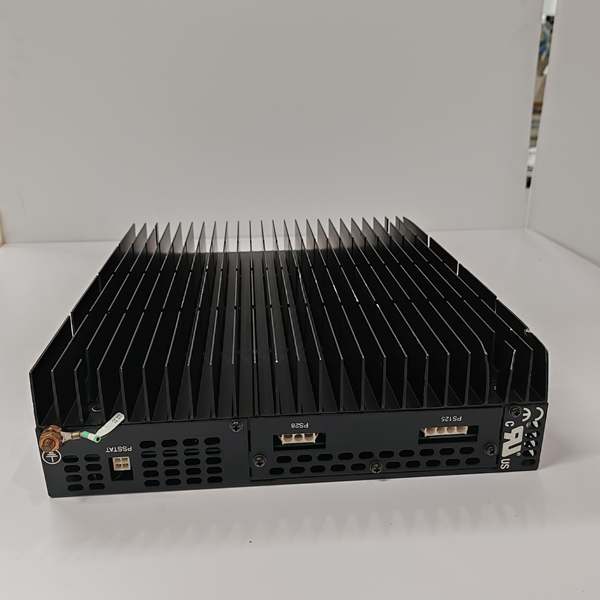
GE IS2020RKPSG3A
Field Service Pitfalls: What Rookies Get Wrong
Assuming All RKPS Revisions are 100% Interchangeable Without Checking Jumpers
A technician is replacing a failed G2A rack power supply with a brand-new G3A unit. He performs a pin-for-pin swap, bolts it into the rack, and powers up the system. The VME rack fails to boot, and the HMI reports “Backplane Power Failure.”
- The Mistake: While the G3A is designed to be backward-compatible, subtle changes in the 28VDC auxiliary rail sensing mean that if the original G2A had a specific jumper configuration for external loads (the P28C/PS28 terminals), the G3A may interpret this as a short circuit and latch into a fault state.
- Field Rule: Whenever upgrading an RKPS to a newer revision (e.g., G2A to G3A), always photograph the jumper settings on the old unit before removal. Compare them to the default settings of the new G3A unit. When in doubt, revert to the G3A factory default jumpers, power up, and use a multimeter to verify rail voltages before reconnecting the PSA/PSB backplane cables.
Overlooking the PSSTAT Cable During VME Backplane Upgrades
An engineer is performing a major panel overhaul, replacing an old VME backplane with a new Mark VIe-compatible version. He carefully transfers the RKPS G3A to the new rack, connects the main power, and hits the start button. The RKPS clicks on, but the processor never wakes up.
- The Mistake: The technician focused on the heavy 28VDC distribution cables (PSA/PSB) and forgot to route the small, often overlooked PSSTAT cable from the bottom of the RKPS to the terminal board (often a VRTD or similar). Without the PSSTAT connection, the Mark VIe controller never receives the “DC OK” signal from the power supply, so it intentionally holds the VME bus in a reset state to prevent erratic operation.
- Quick Fix: The PSSTAT cable is just as important as the main power leads. Always verify continuity on the PSSTAT circuit after any backplane or terminal board replacement. A simple “continuity beep” test between the RKPS PSSTAT terminal and the destination board can save hours of troubleshooting.
Blocking the Heatsink Fins in High-Ambient Environments
A panel builder mounts the VME rack in a compact, sealed enclosure without calculating the thermal load. The RKPS is bolted to the side, but the panel designer placed a large variable frequency drive (VFD) directly next to it, and the cabinet’s exhaust fan is mounted too far away. After a month of summer operation, the RKPS fails catastrophically.
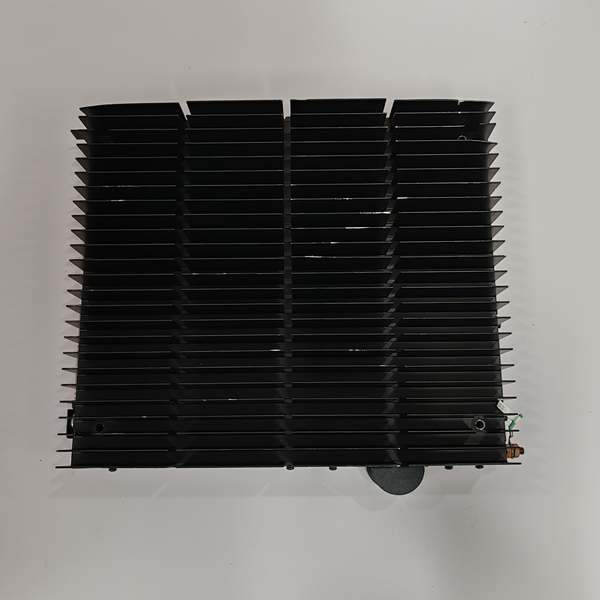
- The Mistake: The RKPS dissipates massive amounts of heat through the large metal fins on its side (the black anodized heatsink). In the confined space, ambient temperatures quickly exceeded the RKPS’s 60°C maximum operating limit. The internal overtemperature protection tripped, but the cyclical thermal stress cracked the solder joints on the main power transformer.
- Field Rule: The RKPS requires at least 3-4 inches of clearance around its heatsink fins for proper convection cooling. Never mount heat-generating devices (like VFDs or heavy contactors) directly adjacent to the RKPS. If the cabinet temperature exceeds 50°C, forced-air cooling (ventilation fans or an air conditioner) is mandatory.