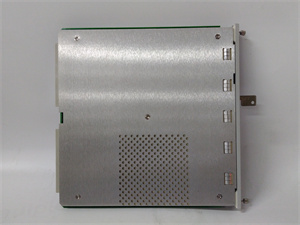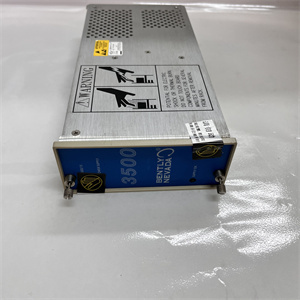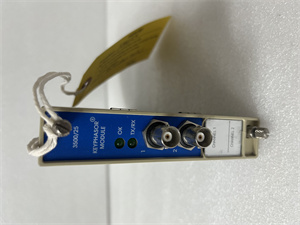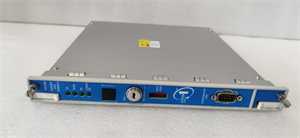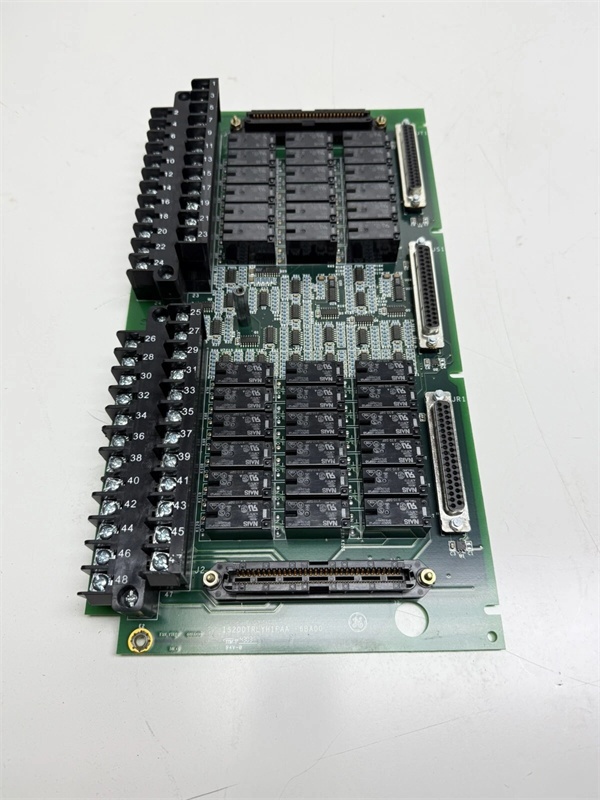
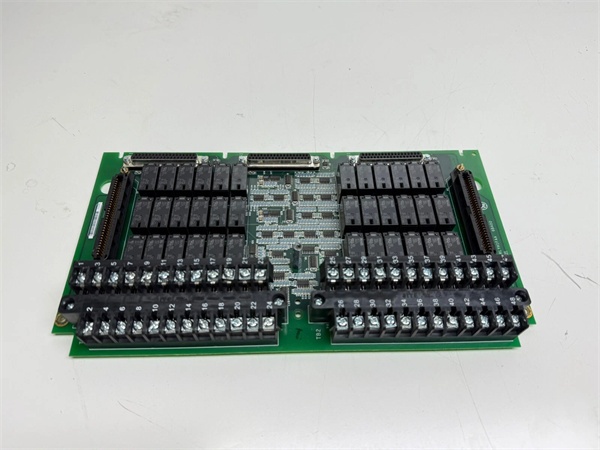
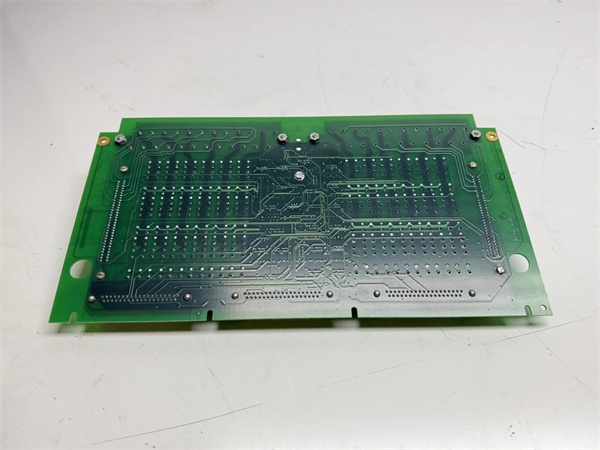
Description
Hard-Numbers: Technical Specifications
- Operating Voltage: 24 VDC (Field Trip Voltage), 5 VDC ±5% (Back-plane Pickup)
- Response Time: <10 ms (Critical for preventing overspeed and catastrophic failure)
- Input/Output Channels: 8–16 input channels (Trip signals/Digital inputs), Relay outputs for shutdown commands
- Trip Circuit Current: 15 A maximum per channel
- Communication Protocols: Interfaces with Mark VIe I/O packs (e.g., PPRA/PPRAS) via RNET/backplane
- Isolation Rating: 1500 V AC (Field to System galvanic isolation)
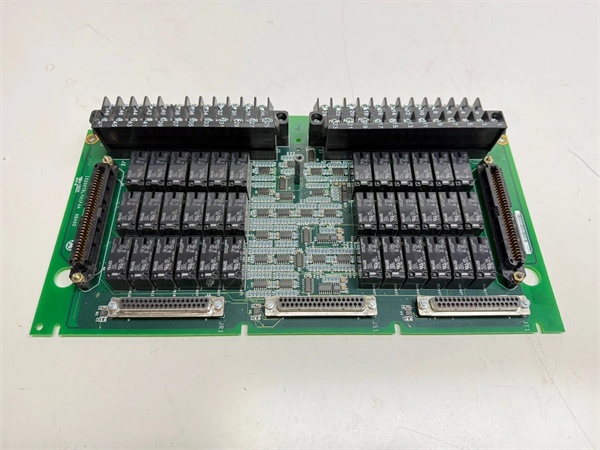
- Physical Dimensions: Approx. 43.2 x 28 x 4 cm (L x W x H) / 19.8 x 10 x 4.5 cm (Alternate source specs)
- Mounting Style: Chassis Mount / DIN Rail (No VME Rack Guiding Rails)
- Diagnostics: Front-panel LED array (Power, Link/Activity, Status, Fault)
- Operating Temperature: 0°C to +70°C (Suitable for extreme turbine environments)
The Real-World Problem It Solves
You are maintaining a GE LM6000 or similar aeroderivative gas turbine package. The control system requires an ultra-fast, highly reliable method to aggregate multiple emergency shutdown inputs (like overspeed, high exhaust temperature, or manual E-stops) and physically trip the fuel shut-off valves and generator breaker. You need a dedicated terminal board that can accept dry contacts and active signals, isolate them from the noisy generator environment, and execute the shutdown command in milliseconds.
Where you’ll typically find it:
- Aeroderivative Power Generation Packages: Mounted in the turbine control cabinet, acting as the final hard-wired logic gateway for emergency stops.
- Offshore Platforms & Marine Propulsion: Integrated into compact Mark VIe racks where space is limited and reliability is non-negotiable.
- Turbine Control Upgrades: Retrofitting older Speeditronic systems (like Mark V) to modern Mark VIe architecture while reusing existing field wiring.
It acts as the ultimate hardware firewall and executioner, ensuring that when a critical limit is breached, the turbine is tripped safely and swiftly, regardless of the software state.
Hardware Architecture & Under-the-Hood Logic
The “H1A” suffix in this module denotes a specific hardware revision tailored for high-reliability aero-derivative applications. Unlike standard terminal boards, the WREA is heavily fortified to handle the rapid transients associated with jet-engine-based turbines.
- Sub-10ms Signal Latching: The board is optimized for speed. When a trip condition is detected (e.g., a contact closure from a mechanical overspeed bolt), the hardware logic latches the shutdown command and fans it out to the output relays and the Mark VIe controllers in under 10 milliseconds . This speed is critical to prevent blade damage during an overspeed event.
- Galvanic Isolation Barriers: The 1500V AC isolation between the field wiring and the Mark VIe backplane is physically implemented using high-grade optocouplers and isolation transformers. This prevents ground loops and voltage spikes from the 125VDC/115VAC field solenoids from damaging the sensitive 5VDC/24VDC logic of the main I/O processors.
- Redundant Voting Logic Support: In TMR (Triple Modular Redundant) configurations, three WREA boards will be wired in parallel. The board supports hardware-level voting, meaning if one processor fails or votes to trip, the WREA ensures the physical relays still de-energize, forcing the turbine into a safe state.
Field Service Pitfalls: What Rookies Get Wrong
Bypassing the 10ms Response Time Test During Commissioning
A commissioning engineer is bringing an LM6000 online. He tests the E-stop loop by manually triggering the trip and watching the HMI screen. The turbine shuts down, so he marks it as passed. However, he didn’t measure the actual relay dropout time with an oscilloscope. A month later, during an actual overspeed event, the 150ms software scan time causes a delay, resulting in the turbine exceeding its redline speed by 5%.
- Field Rule: Never trust the HMI for timing validation. Use a scope to verify that the WREA hardware latch and relay dropout occur in under 10ms . Test both the “Processor Command” trip and the “Hardware Contact” trip independently.
Mixing Up Sourcing and Sinking Wiring for 24VDC Trip Circuits
An electrician is replacing a failed WREA board. He consults the old wiring diagram but misidentifies whether the field trip devices (like a low-lube-oil-pressure switch) are sourcing 24VDC or sinking to ground. He wires the new board assuming a sinking configuration. When the pressure drops, the switch closes, but the WREA optical isolators never see the voltage differential, so the turbine fails to trip.
- Quick Fix: Always use a multimeter to trace the field wiring back to the power supply before landing the wires on the WREA terminals. Identify if the field device is pulling the line high (sourcing) or pulling it to ground (sinking). Configure the WREA jumper settings (if applicable) or adjust the ToolboxST logic to match the field device’s behavior.
Neglecting the 5VDC Backplane Connection
A technician replaces the WREAH1A board but forgets to securely seat the bottom connector into the Mark VIe backplane. The 24VDC field side powers up fine, and the LEDs look normal. However, during a vibration event, the loose connection causes the 5VDC communication link to the main controller to drop intermittently. The HMI starts flashing “I/O Processor Fault” alarms.
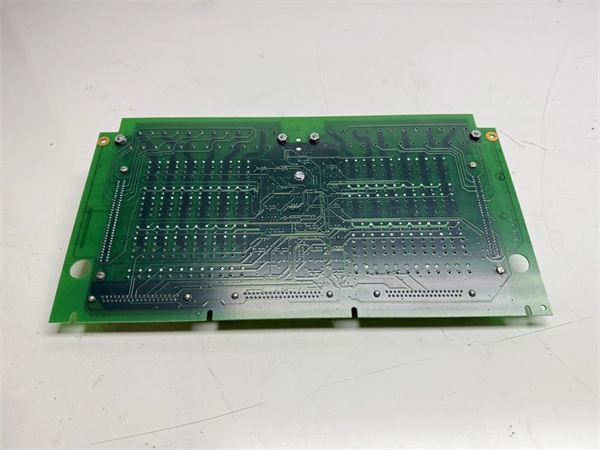
- Field Rule: The WREA board has both a field-facing side (terminals) and a system-facing side (backplane pins). Always apply dielectric grease to the backplane edge connector and use the designated clips or screws to ensure the board is pressed firmly into the backplane, especially in high-vibration aero-packages.
Commercial Availability & Pricing Note
Please note: The listed price is for reference only and is not binding. Final pricing and terms are subject to negotiation based on current market conditions and availability.