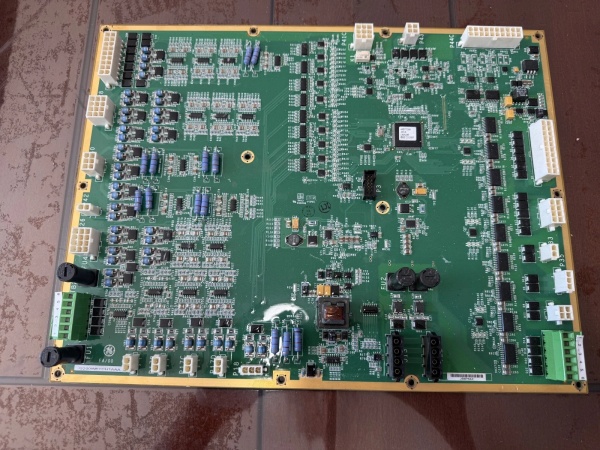
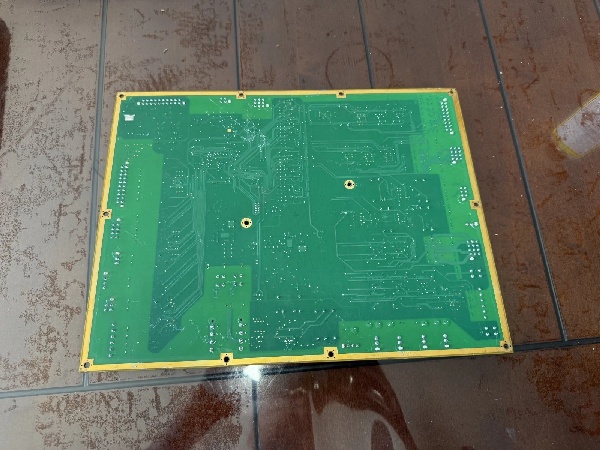
Description
Hard-Numbers: Technical Specifications
- Input Voltage: 24 VDC Nominal (18-32VDC operating range)
- Output Voltage: 24 VDC (Precision regulated at ±1% accuracy)
- Max Output Current: 10A (Total available current for downstream devices)
- Output Power: 240W Max
- Redundancy: Dual Independent Inputs (Supports N+1 parallel redundancy)
- Protection Features: Over-voltage (28V threshold), Over-current (11A threshold), Short Circuit, Reverse Polarity, and Over-temperature
- Operating Temperature: -30°C to +65°C (Wide operational envelope for plant floor to freezer)
- Isolation/Insulation: 2500V AC (Input to Output), 1500V AC (Output to Ground)
- Mechanical Dimensions: 120 x 150 x 45 mm (L x W x H)
- Mounting Style: 35mm DIN Rail (Direct mount) or Mark VIe Rack (Plug-in compatible)
- Diagnostics: Tri-color LED Array (Input OK, Output OK, Module Fault) plus dry-contact relay output for remote alarm
- MTBF: >500,000 hours (Calculated per Telcordia SR-332 standards)
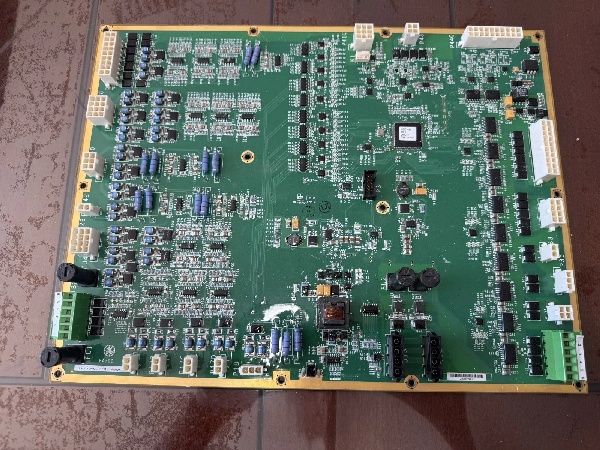
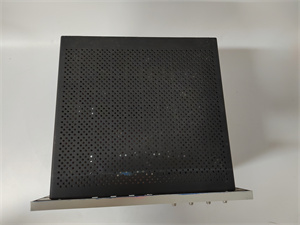
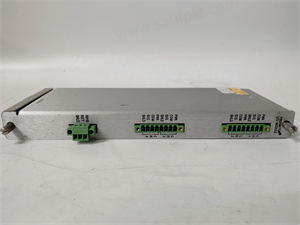
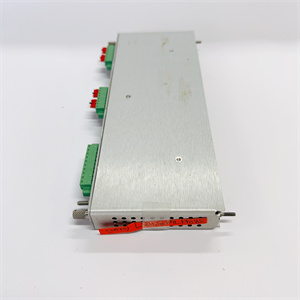
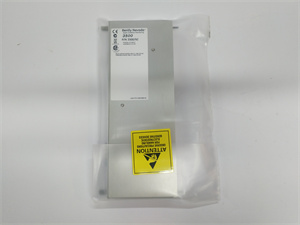
IS200WETCH1AAA
The Real-World Problem It Solves
You are upgrading the control system on a critical gas compressor station. The site experiences frequent minor fluctuations in the main 24VDC instrument power bus due to large VFD starts and utility switching. These voltage sags are causing your Mark VIe network switches to reboot and your I/O packs to drop offline, triggering nuisance trips of the compressor. You need a power supply that can not only ride through these sags but also seamlessly switch to a secondary backup power source if the primary fails entirely.
Where you’ll typically find it:
- Behind Control Panels: DIN rail mounted inside turbine control cabinets, providing clean, regulated 24VDC to the Mark VIe controllers and I/O packs.
- Redundant Power Architectures: Installed in parallel (N+1 configuration) to ensure that a single power supply failure never leads to a process shutdown.
- Harsh Industrial Environments: Deployed in oil & gas, power generation, and heavy manufacturing where electrical noise and power fluctuations are commonplace.
It acts as the uninterruptible heart of your control system’s power architecture, isolating sensitive electronics from the dirty reality of industrial power distribution.
Hardware Architecture & Under-the-Hood Logic
Unlike a standard off-the-shelf power supply, the IS200WNPSH1A is engineered specifically for mission-critical turbine control. The “H1A” designation indicates a specific hardware revision optimized for high-reliability applications.
- Dual-Rail Input Switching: The module features two independent 24VDC input terminals. If the primary input fails or falls out of tolerance, the module’s internal OR-ing circuitry switches to the backup input in under 1 millisecond. This is fast enough to keep downstream capacitors charged, meaning connected devices never even notice the switch.
- Active Power Factor Correction & Filtering: The input stage includes aggressive EMI filtering and reverse polarity protection. This ensures that voltage spikes from inductive loads (like contactors or solenoids) don’t propagate to the output side.
- Current Sharing & Load Balancing: When multiple WNPS modules are connected in parallel for redundancy, they actively communicate to balance the load. This prevents one unit from overheating while another idles, significantly extending the overall system lifespan.
- Fault Isolation: In the event of an internal fault (such as an over-temperature condition or a shorted output), the module will safely shut down and illuminate the Fault LED. Crucially, it will not drag down the shared output bus, allowing the redundant partner unit to seamlessly take over the full load.
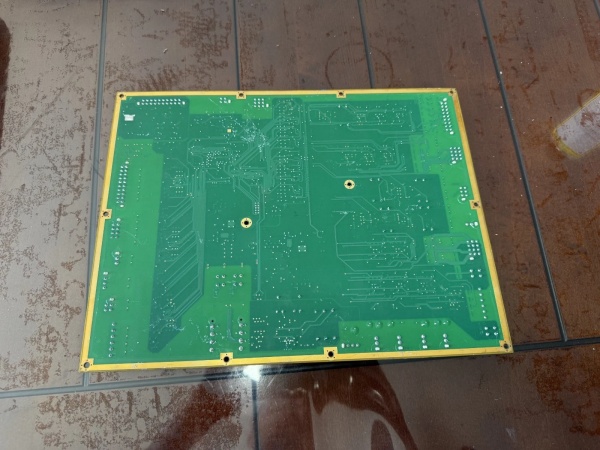
IS200WETCH1AAA
Field Service Pitfalls: What Rookies Get Wrong
Mixing Phases or Ungrounded Secondaries in Redundant Setups
A technician is wiring a redundant pair of WNPS modules. He pulls the primary 24VDC input for Unit A from the plant’s main DC bus, but grabs the secondary 24VDC supply for Unit B from a different transformer winding. Because the two input sources don’t share a common ground reference, a phantom voltage circulates through the module’s internal protection diodes. The units overheat and trip their overcurrent protection, killing power to the entire control rack.
- Field Rule: Both redundant inputs (A and B) on a single WNPS module must share the exact same 0VDC ground reference. Always verify continuity between the negative terminals of your primary and backup power supplies before energizing the module.
Ignoring the Derating Curve in High-Temperature Environments
An installer mounts the WNPS module flat against a sheet metal panel inside a sealed enclosure in a desert solar farm. The ambient temperature regularly hits 50°C (122°F). The installer pulls 10 amps continuously through the module, right at its rated maximum. The unit goes into thermal overload within weeks, causing intermittent reboots of the attached Mark VIe controller.
- Quick Fix: Power supplies hate heat. If your ambient temperature exceeds 50°C, you must derate the output current. For every degree above 50°C, reduce the maximum load by approximately 2.5%. Better yet, provide forced-air cooling (a small muffin fan) or mount the module on a heat-conductive DIN rail to dissipate thermal energy.
Using Undersized Branch Circuit Protection
A contractor sizes the incoming fuses for the WNPS module based on the 10A output rating, selecting 15A slow-blow fuses. A massive short circuit develops on the 24VDC output side due to a pinched wire in an adjacent terminal block. The 15A fuses don’t blow quickly enough, and the sustained short circuit fries the internal MOSFETs on the WNPS board, rendering it permanently dead.
- Field Rule: The WNPS has a built-in 11A electronic circuit breaker. Your external branch circuit protection (fuses or breakers) must be sized smallerthan the module’s internal limit to ensure the module’s protection trips first. Use 5A or 7.5A fast-acting fuses on the input lines.
Commercial Availability & Pricing Note
Please note: The listed price is for reference only and is not binding. Final pricing and terms are subject to negotiation based on current market conditions and availability.