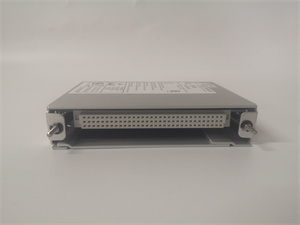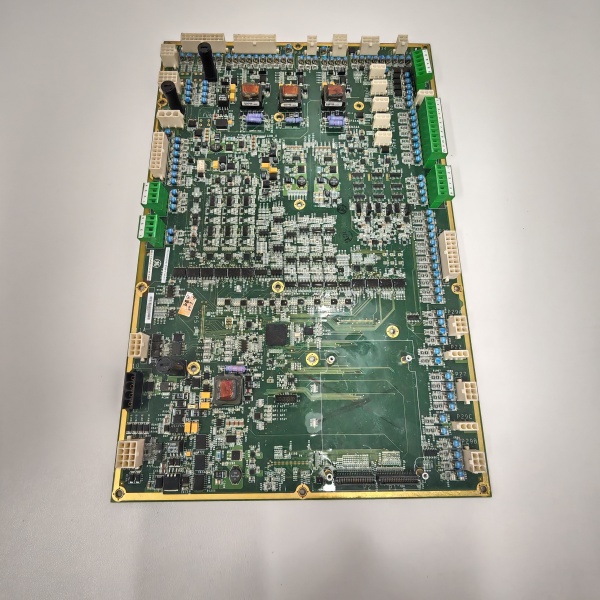
Description
Hard-Numbers: Technical Specifications
- Operating Voltage: 24 VDC (Nominal, 18-32VDC input range)
- Communication Protocols: Modbus TCP/IP, EGD (Ethernet Global Data), RNET
- Network Speed: 10/100 Mbps (Auto-negotiating Ethernet ports)
- Operating Temperature: -40°C to +70°C
- Isolation Rating: 1500 VDC (Galvanic isolation between field I/O and backplane logic)
- Physical Dimensions: 178 x 51 x 305 mm (L x W x H)
- Mounting Style: DIN Rail or Mark VIe Rack Mount
- Diagnostics: Front-panel LED array (Power, Link/Activity, Status, Fault)
- Humidity Tolerance: 5% to 95%, non-condensing
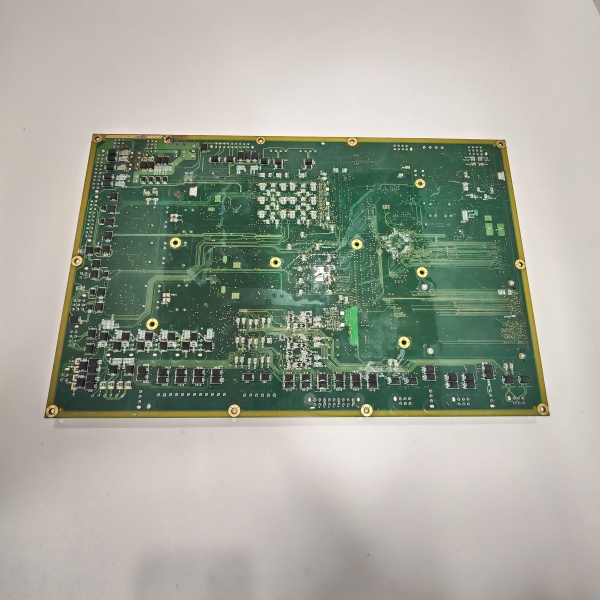
GE IS200WETAH1A
The Real-World Problem It Solves
You are standing in a swaying nacelle during a storm, trying to figure out why your pitch control loop is oscillating. The HMI shows “Sensor Dropout” alarms every time the blade passes the 90-degree mark. The unconditioned signals from the LVDTs and proximity sensors are getting eaten alive by the electrical noise from the generator slip rings. You need a rugged I/O block mounted right next to the pitch motors to clean up the signals and shove them onto the deterministic RNET before the data turns into garbage.
Where you’ll typically find it:
- Wind Turbine Nacelle Control Cabinets: DIN rail mounted near pitch and yaw control drives.
- Vibration-Prone Environments: Connecting accelerometers and strain gauges directly to the control network.
- Distributed I/O Retrofits: Replacing slow, noise-prone serial links with high-speed deterministic Ethernet.
It cuts the noise floor, buffers the sensor data locally, and ensures the main controller gets clean, timestamped I/O without bogging down the primary network.
Hardware Architecture & Under-the-Hood Logic
This board is a tough little signal scrubber. It sits between the brutal reality of the field devices and the pristine digital world of the Mark VIe controller. The “H1A” suffix denotes a specific hardware configuration optimized for high-reliability sensor acquisition.
- Analog/Digital Conditioning: Raw 4-20mA loops and digital contacts land on the terminal blocks. The board immediately clamps transient voltages and applies hardware filtering to remove noise from variable frequency drives (VFDs) and contactor chatter.
- Local Logic Execution: Instead of sending raw, unfiltered data to the main processor, the ETA processes the I/O locally. It handles scaling, alarming, and even executes fast logic to buffer the master controller from high-frequency interrupt storms.
- Deterministic Network Injection: The processed data is packaged into Ethernet frames and prioritized onto the RNET backbone. If the primary link fails, the secondary port maintains communication, preventing a turbine trip.
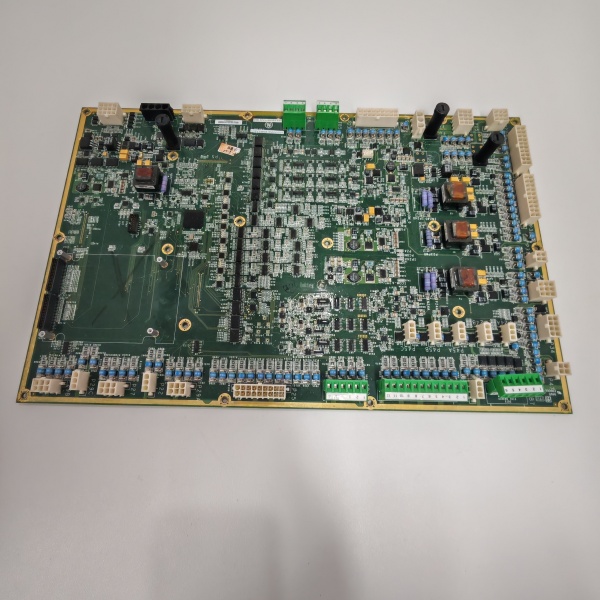
GE IS200WETAH1A
Field Service Pitfalls: What Rookies Get Wrong
Floating Signal Grounds on Analog Inputs
A technician wires a 4-20mA pressure transmitter to the ETA module but leaves the signal ground (SG) terminal floating because “it worked fine on the old rack.” When the nacelle heater cycles on, the ground potential shifts, causing the analog reading to drift by 15%. The turbine throws a “Hydraulic Pressure Low” alarm and feathers the blades.
- Field Rule: Always tie the sensor’s signal ground to the ETA’s SG terminal. Better yet, use differential inputs when available. Grab a multimeter and verify less than 50mV potential difference between the sensor ground and the control cabinet ground before commissioning.
Ignoring the 24VDC Polarity on the Power Supply
A contractor rushes to replace a blown ETA module during a lunch break. In his haste, he reverses the 24VDC positive and negative leads. The board lights up fine, but the protection diodes are silently taking a beating. Two weeks later, a lightning strike hits the blade, travels down the shielded cable, and instead of diverting to ground, it fries the entire board because the reverse-polarity protection failed.
- Quick Fix: Double-check your polarity with a multimeter before connecting the power leads. Install a fuse on the 24VDC supply line feeding the ETA. It’s cheaper to replace a 5 fuse than a 2,000 I/O module.
Loose DIN Rail Clips Causing Intermittent Faults
An electrician mounts the ETA module on the DIN rail but doesn’t engage the locking clip properly. Over the next month, the low-frequency vibration from the gearbox slowly works the module loose from the backplane connector. The Mark VIe system logs intermittent “Module Not Responding” errors, eventually causing a full communication loss trip.
- Field Rule: Always pull down on the DIN rail clip after snapping the module into place. Give it a firm tug to ensure it’s seated. Apply a dab of blue Loctite to the clip’s screw (if equipped) to prevent it from vibrating open.
Commercial Availability & Pricing Note
Please note: The listed price is for reference only and is not binding. Final pricing and terms are subject to negotiation based on current market conditions and availability.