Description
Hard-Numbers: Technical Specifications
- Communication Protocols: TCP/IP, UDP, EGD (Ethernet Global Data), SRTP
- Network Ports: 2 x 10/100 Mbps Ethernet (RJ45 or M12, depending on panel config)
- Power Requirement: 24 VDC (Derived from Mark VIe backplane or external supply)
- Data Throughput: Up to 100 Mbps (Full-duplex capable)
- Operating Temperature: -30°C to +65°C
- Isolation Rating: 1500 VDC (Network side isolated from control logic)
- Diagnostic Indicators: Multicolored LEDs (Link speed, activity, collision, error status)
- Mounting Type: Mark VIe Rack Insertion or DIN Rail Adapter
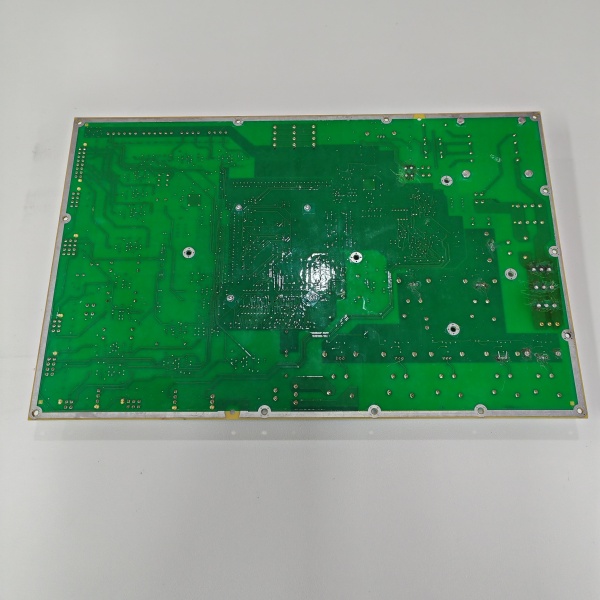
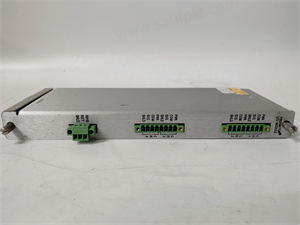
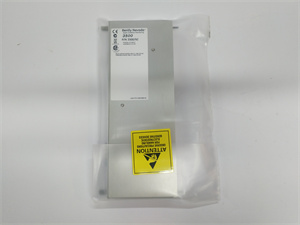
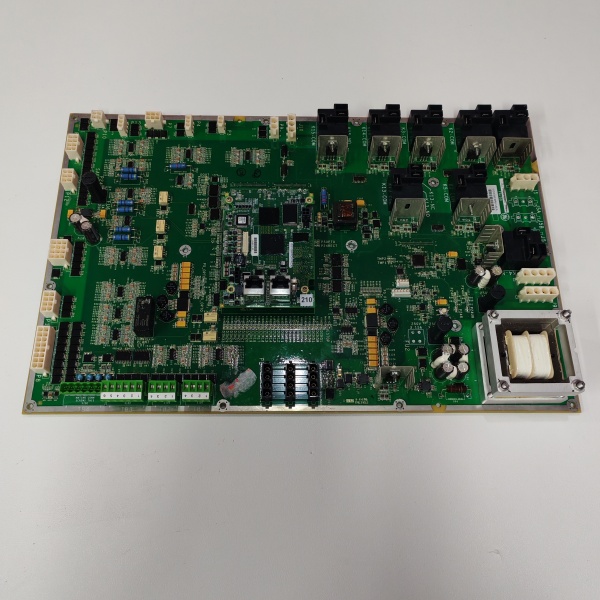
GE IS200WEMAH1ACA
The Real-World Problem It Solves
You’re commissioning a Mark VIe retrofit on an old Frame 7FA turbine. The plant DCS is screaming for real-time exhaust temperature and vibration data, but the old serial links (RS-232/485) keep dropping packets every time the 13.8kV breaker closes. You need a hardened network interface that can shove noisy EMI aside, package turbine data into deterministic Ethernet frames, and talk directly to the DCS without hiring an expensive protocol gateway. This WEMA board eliminates that bottleneck. It acts as the bilingual diplomat between your high-speed turbine controls and the plant’s SCADA network, ensuring your data gets there instantly, every time.
Where you’ll typically find it:
- Gas & Steam Turbine Control Cabinets: Mounted in the Mark VIe rack, handling the primary data uplink to the plant DCS or HMI.
- Compressor Station Controls: Networking multiple turbine-driven compressors together to prevent surge and coordinate throughput.
- Plant-Wide Retrofits: Replacing legacy serial communication cards to bring turbine data into modern Ethernet-based SCADA systems.
It transforms a noisy, packet-dropping serial communication setup into a high-speed, deterministic data highway.
Hardware Architecture & Under-the-Hood Logic
This board doesn’t run the turbine’s control loops; it handles the heavy lifting of external communication. It sits in the Mark VIe rack, acting as the primary gateway between the high-speed backplane (where the I/O packs and processors live) and the outside world of plant networks. The “H1AEA” suffix indicates a specific hardware revision optimized for enhanced data throughput and EMI resistance.
- Backplane Data Capture: The board snoops the Mark VIe backplane, capturing real-time data packets from the main processor and I/O packs (temperatures, pressures, valve positions).
- Protocol Encapsulation: It takes that raw control data and wraps it into industry-standard Ethernet frames. It supports GE’s proprietary EGD protocol for fast, deterministic exchange with other GE controllers and HMIs, as well as standard TCP/IP for DCS integration.
- Network Transmission: The encapsulated data is pushed out through the onboard Ethernet transceivers to the plant network infrastructure. It can handle high-priority interrupt requests, ensuring critical shutdowns or alarms are transmitted immediately.
- Inbound Command Decryption: When the DCS sends a command (like a load raise or unit trip), the WEMA receives the Ethernet packet, strips the headers, and presents the raw command to the Mark VIe backplane for execution.
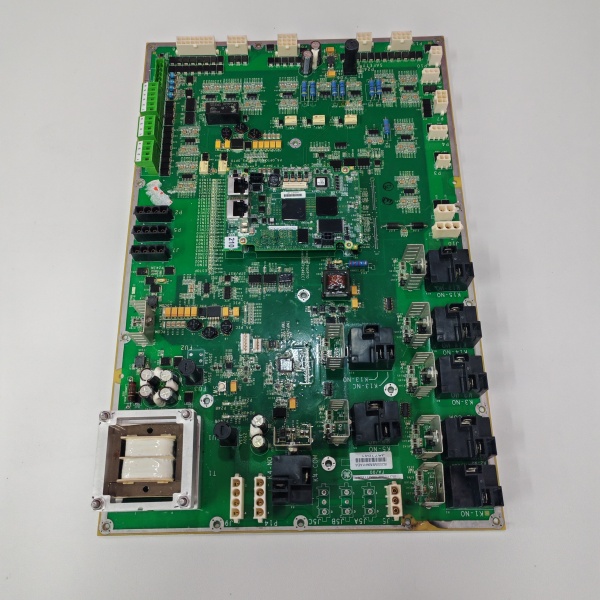
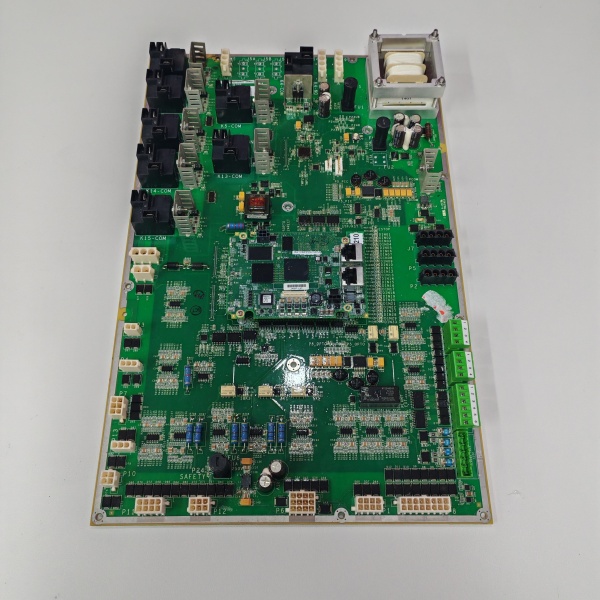
GE IS200WEMAH1ACA
Field Service Pitfalls: What Rookies Get Wrong
Using Cheap Commercial Grade Cables in the Turbine Enclosure
A rookie runs out of plenum-rated shielded cable and decides to land the DCS uplink using a standard big-box-store Cat5e patch cable he found in his truck. The first time the excitation system fires up, the unshielded cable acts as an antenna. EMI from the generator leads induces massive CRC errors, causing the DCS to lose sight of the turbine and trigger a “Communications Loss” trip.
- Field Rule: Never use unshielded commercial Ethernet cables in a turbine enclosure. Always specify double-shielded, braided CAT6 or better, rated for industrial temperatures (-40°C to 75°C). Ground the shield drain wire to the DIN rail or chassis ground at both ends to bleed off induced noise.
Creating a Network Loop (Spanning Tree Protocol Ignorance)
A junior engineer is adding a new HMI to the control network. He plugs one Ethernet cable from the network switch into the WEMA’s Port 1, and another cable from the WEMA’s Port 2 back into a different port on the same switch. This creates a physical loop. Without proper Spanning Tree Protocol (STP) configuration, the network gets flooded with broadcast packets (a storm). The Mark VIe backplane gets so busy processing network traffic that it misses its real-time I/O scan window, causing a watchdog trip.
- Quick Fix: Disable unused Ethernet ports on the WEMA via the Toolbox software. If you must connect multiple ports, ensure your managed network switches have STP or Rapid STP enabled to automatically block looping paths. Keep your control network topology simple: Hub-and-spoke, not daisy-chain.
Mismatched EGD Producer/Consumer IDs
A technician replaces a fried WEMA board. He downloads the latest configuration file from the server, which was saved six months ago. Unbeknownst to him, the DCS engineers recently changed the EGD Producer ID for the turbine data block. The new WEMA starts broadcasting data, but the DCS ignores it because the ID doesn’t match its consumer list. The HMI screens go blank, showing “No Data”.
- Field Rule: After any hardware swap involving network cards, always verify the EGD Exchange IDs in both the Toolbox configuration and the DCS/SCADA consumer setup. An ID mismatch is the most common cause of “ghosting” (where the hardware works fine, but nobody is listening to the data).
Commercial Availability & Pricing Note
Please note: The listed price is for reference only and is not binding. Final pricing and terms are subject to negotiation based on current market conditions and availability.