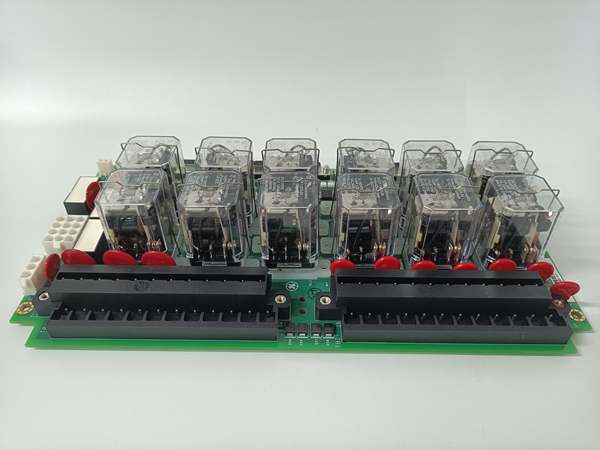
Description
Hard-Numbers: Technical Specificiations
- Supply Voltage: 125 VDC (sourced from station battery bus)
- Relay Output Channels: 2 Form-C Relays (ARC Detected, Brush Failure)
- Contact Rating: 5 Amps @ 250VAC / 30VDC
- Detection Sensitivity: Adjustable via onboard potentiometers (typical 1-10 Amp threshold)
- Arc Detection Time: < 10 ms (response to fault current)
- Operating Temperature: -20°C to +60°C
- Isolation Rating: 1500V AC (field wiring to backplane logic)
- Mounting Location: Exciter Power Backplane Rack (EPBP)
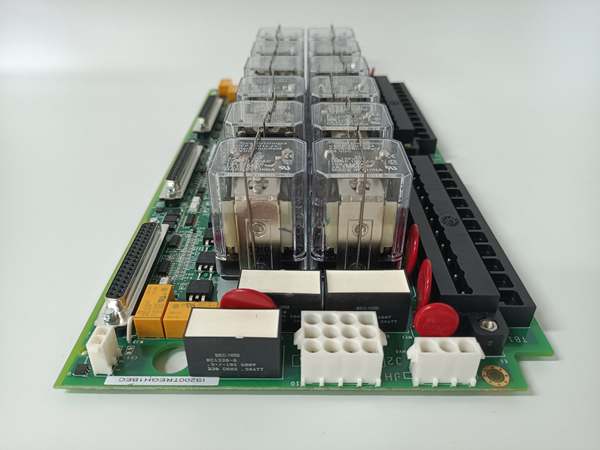
- Connectors: Barrier Terminal Strips (125VDC in, Relay out, Brush sense leads)
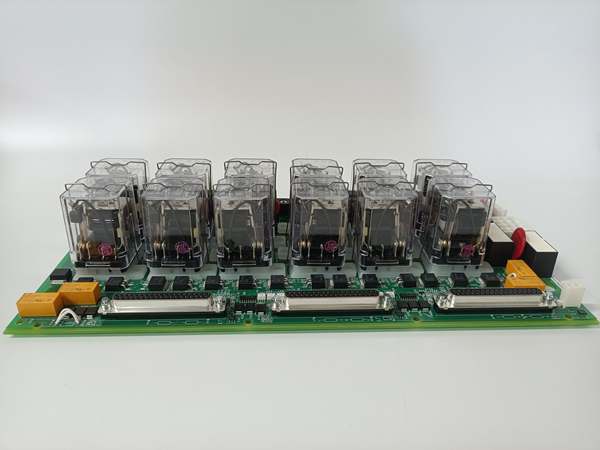
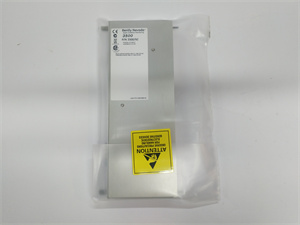
IS200TREGH1BEC
The Real-World Problem It Solves
In a 9FA gas turbine, a silent, shaft-destroying electrical arc in the grounding brush can vaporize a multi-million dollar rotor journal in seconds. The old H1B revision struggles to distinguish a genuine, high-frequency arc signature from the deafening electrical hash of a 4160V switchyard, leading to missed trips or annoying false positives. You need a hardened sentinel with a smarter brain. This TREG H2B revision eliminates that nightmare. It acts as the ultimate paranoid guardian for your shaft, utilizing revised filtering algorithms to catch arc events in milliseconds while laughing at the surrounding EMI.
Where you’ll typically find it:
- EX2100/EX2100e Exciter Cabinets: Mounted on the EPBP backplane, serving as the primary interface for generator shaft grounding brush assemblies.
- Plants Plagued by Electrical Noise: Retrofitting legacy H1B cards in facilities where false arc alarms or undetected shaft current leakage have become chronic headaches.
- Steel Mills & Heavy Industrial Sites: Withstanding the brutal electromagnetic interference generated by massive VFDs and arc furnaces.
It turns a potentially catastrophic, invisible shaft arc into an immediate, deterministic trip signal, protecting your most expensive rotating assets.
Hardware Architecture & Under-the-Hood Logic
This is not a passive terminal block; it’s a high-speed, hardened current comparator. It lives on the EPBP backplane, acting as the ultimate sentry for your generator shaft. The “H2B” suffix indicates a significant hardware revision with optimized trace routing, updated filtering algorithms, and enhanced component selection specifically engineered to ignore switchyard noise and catch real arcs faster.
- Shaft Current Acquisition & Aggressive Filtering: Tiny 18-20 AWG sense leads land on the barrier terminals, connected directly across the generator shaft grounding brush. A newly refined bank of aggressive RC filters and differential amplifiers scrubs the 60Hz hum and broad-spectrum switchyard transients before they reach the comparator.
- H2 Revision Signature Discrimination: The filtered signal hits a precision high-speed comparator. The H2 architecture introduces an updated proprietary signature analysis algorithm. It doesn’t just look at current magnitude; it analyzes the chaotic, high-frequency spectral signature of a genuine arc versus the steady-state capacitive coupling of a healthy brush.
- Instantaneous Relay Actuation: Once the magnitude and signature are confirmed, the logic doesn’t wait for software polling. It instantly energizes the “ARC Detected” Form-C relay, hardwired to the turbine protection system to force an immediate unit trip.
- Active Brush Health Monitoring: If the sense leads break or the brush wears down to nothing (open circuit), the board detects the total loss of current flow. It immediately energizes the “Brush Failure” relay, alerting operators to replace the consumable before a catastrophic arc can even initiate.
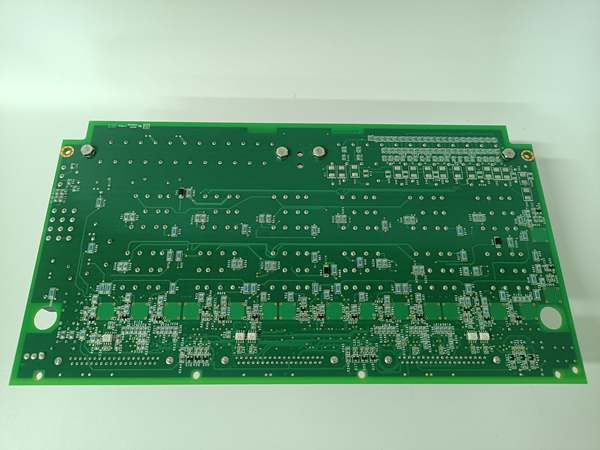
IS200TREGH1BEC
Field Service Pitfalls: What Rookies Get Wrong
Blindly Copying H1B Potentiometer Settings Onto an H2B Board
A rookie pulls a failed IS200TREGH1B and swaps it with a new IS200TREGH2B. He meticulously adjusts the potentiometer to match the old H1B’s exact physical position, assuming they are identical. However, the H2 revision uses a different internal voltage divider network for its threshold logic. His “perfect” copy results in a setting that is 30% too sensitive.
- Field Rule: Never assume potentiometer positions are directly transferable between H1 and H2 revisions. Use a calibrated current injection test set to simulate a known arc current (e.g., 5 Amps). Adjust the H2B potentiometer until the relay precisely clicks at your desired threshold. A blind copy is a guaranteed recipe for phantom trips or missed detections.
Running Sense Leads Parallel to High-Voltage Bus Ducts
A junior engineer routes the small-gauge brush sense leads from the generator to the TREG-H2B. To save time, he zip-ties them directly to the 4160V generator bus duct for 50 feet. Despite the H2B’s superior filtering, the sheer electromagnetic field radiating from the bus duct induces a phantom current spike that exceeds the detection threshold.
- Quick Fix: Route the sense leads using twisted pair or individually shielded wire. Maintain a minimum separation of 12 inches from any high-voltage bus work. Ground the shield drain wire at the TREG terminal end only. A floating shield on a sensitive sensing circuit is a guaranteed ticket to a wild-goose chase, even with top-tier hardware.
Using Undersized Wire for 125VDC Relay Outputs
A mechanic lands the 125VDC trip relay outputs from the TREG-H2B to the turbine protection rack. He reuses some leftover #18 AWG wire because “it’s just a signal.” During a massive shaft arc event, the TREG’s Form-C relay closes and tries to drive 5 amps through the coil of the trip solenoid. The #18 AWG wire acts like a fuse, heating up and vaporizing before the protection system even knows there was a fault.
- Field Rule: Always use minimum #14 AWG (2mm²) stranded copper wire for the Form-C relay outputs. Crimp on heavy-duty compression lugs and torque them down to 15 lb-in. A blown sense wire during a real arc is a career-ender.
Commercial Availability & Pricing Note
Please note: The listed price is for reference only and is not binding. Final pricing and terms are subject to negotiation based on current market conditions and availability.