Description
Hard-Numbers: Technical Specificiations
- Supply Voltage: 125 VDC (sourced from station battery bus)
- Relay Output Channels: 2 Form-C Relays (ARC Detected, Brush Failure)
- Contact Rating: 5 Amps @ 250VAC / 30VDC
- Detection Sensitivity: Adjustable via onboard potentiometers (typical 1-10 Amp threshold)
- Arc Detection Time: < 10 ms (response to fault current)
- Operating Temperature: -20°C to +60°C
- Isolation Rating: 1500V AC (field wiring to backplane logic)
- Mounting Location: Exciter Power Backplane Rack (EPBP)
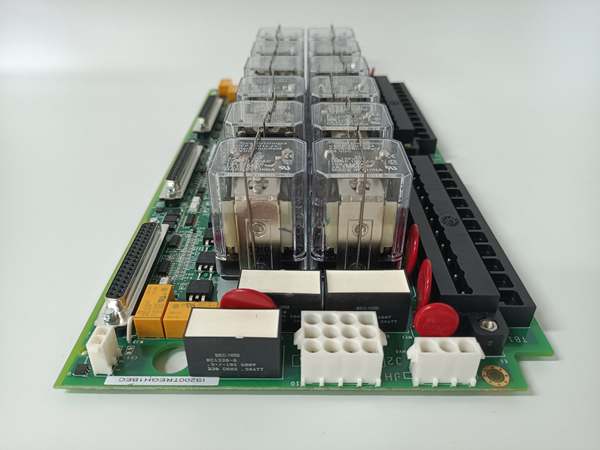
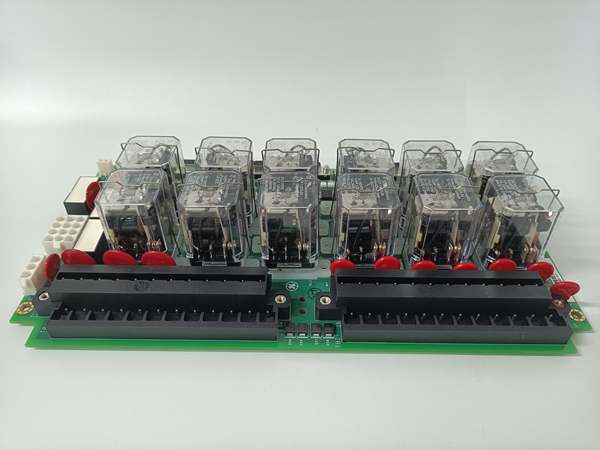
- Connectors: Barrier Terminal Strips (125VDC in, Relay out, Brush sense leads)
- PCB Protection: Full Conformal Coating (Polyurethane or Silicone-based)
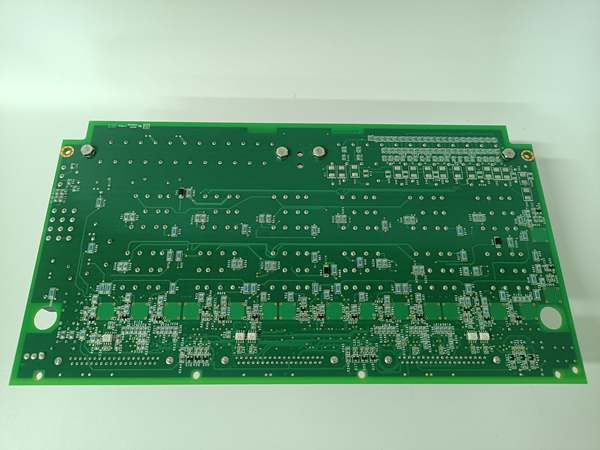
IS200TREGH1BEC
The Real-World Problem It Solves
You’re troubleshooting a coastal 9FA gas turbine that keeps suffering catastrophic rotor shaft damage. The old grounding brush monitor’s circuits rotted out from the constant salt spray and 100% humidity, allowing the carbon brush to arc violently and etch deep grooves into the multi-million dollar generator shaft journal. You need a sentinel that can not only sniff out these arcs in milliseconds but also laugh at the corrosive environment eating your other electronics. This TREG “EC” variant eliminates that nightmare. It acts as the ultimate paranoid guardian for your shaft, catching arc events in milliseconds and driving hardwired trip relays to save your rotor before the metal turns to liquid.
Where you’ll typically find it:
- Coastal & Offshore Power Plants: Mounted on the EPBP backplane, resisting salt spray and high humidity that would dissolve standard electronics.
- Paper Mills & Chemical Plants: Surviving highly corrosive atmospheres where sulfur dioxide and conductive dust are rampant.
- Retrofit Projects: Replacing legacy passive brush monitoring systems that failed prematurely due to environmental degradation.
It turns a chemically hostile, humidity-soaked control room environment into just another Tuesday for your excitation system.
Hardware Architecture & Under-the-Hood Logic
This isn’t a processor; it’s a high-speed current comparator and aggressive relay driver wrapped in a protective shell. It lives on the EPBP backplane, acting as the paranoid guardian of your generator shaft. The “EC” suffix stands for Enhanced Coating—meaning every trace, via, and component is sealed under a thick layer of military-grade conformal coating.
- Shaft Current Acquisition & Filtering: Tiny sense leads (often 18-20 AWG) land on the barrier terminals, connected directly across the generator shaft grounding brush. The raw current passes through RC filters that strip away 60Hz hum and switchyard transients.
- Threshold Comparison & Signature Analysis: The filtered signal hits a precision high-speed comparator. The onboard potentiometer sets the trip threshold (e.g., 5 Amps). The logic distinguishes a genuine arc’s chaotic signature from normal capacitive coupling.
- Instantaneous Relay Actuation: Once the threshold is breached, the logic doesn’t wait for software polling. It instantly energizes the “ARC Detected” Form-C relay. This relay is hardwired to the turbine protection system, forcing an immediate unit trip.
- Brush Health Monitoring: If the sense leads break or the brush wears down to nothing (open circuit), the board detects the loss of current flow. It immediately energizes the “Brush Failure” relay, alerting operators to replace the consumable before a catastrophic arc can even occur.
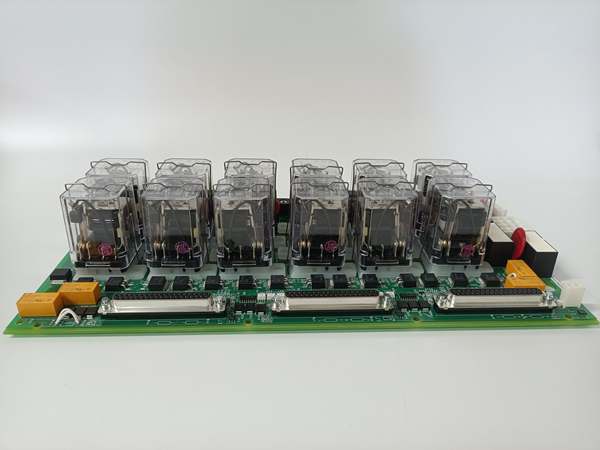
IS200TREGH1BEC
Field Service Pitfalls: What Rookies Get Wrong
Thinking “EC” Means You Can Ignore Condensation and Sealing
A rookie installs an EC-coated TREG in a coastal combined-cycle plant. He assumes the “Enhanced Coating” makes it invincible, so he leaves the EPBP rack’s top panel off and ignores the unsealed cable entry glands. During a midnight tropical storm, 100% humidity condenses into water droplets that seep underthe conformal coating’s edges. Dendritic growth forms between the closely spaced 125VDC driver traces, and the board develops a permanent, untraceable short.
- Field Rule: A “C” or “EC” suffix board is not waterproof, it is moisture/dust resistant. You must still maintain a climate-controlled cabinet or ensure IP-rated enclosures. Check the cable gland seals on the EPBP rack. If water can get in, the coating is your last line of defense, not your first.
Blindly Adjusting the Arc Detection Potentiometer
A junior engineer decides to “tighten up” the sensitivity on a TREG-EC during a planned outage. He spins the potentiometer all the way down to the minimum setting without simulating an arc or consulting the plant’s specific shaft study. The next time the generator synchronizes, normal capacitive coupling currents (3-4 Amps) cross his new, overly sensitive threshold. The TREG fires the trip relay, costing the plant $150,000 in lost generation during a peak demand day.
- Field Rule: Never adjust the arc detection threshold blindly. Use a calibrated current injection test set to simulate an arc. Set the potentiometer 10-15% above your generator’s known steady-state shaft current. If you don’t have a test set, leave the factory or previous setting alone.
Using Corroded Barrier Terminal Strips for Sense Leads
A mechanic lands the tiny 18 AWG brush sense leads onto the TREG-EC’s barrier terminals. He notices a faint greenish tint on the brass terminal block but figures “the 125V wetting supply will punch through it.” During a critical black start, the high resistance at the terminal blocks creates a massive voltage drop. The TREG fails to detect the closing brush contactor, declares “Brush Failure,” and aborts the entire startup sequence.
- Quick Fix: If you see green or white oxidation on the terminal blocks, do not land the wires. Take a brass brush and some contact cleaner, scrub the terminals down to bare, shiny metal. Apply a thin coat of dielectric grease to the terminals before tightening. A corroded terminal on a high-impedance sense circuit is a guaranteed recipe for a failed start.
Commercial Availability & Pricing Note
Please note: The listed price is for reference only and is not binding. Final pricing and terms are subject to negotiation based on current market conditions and availability.