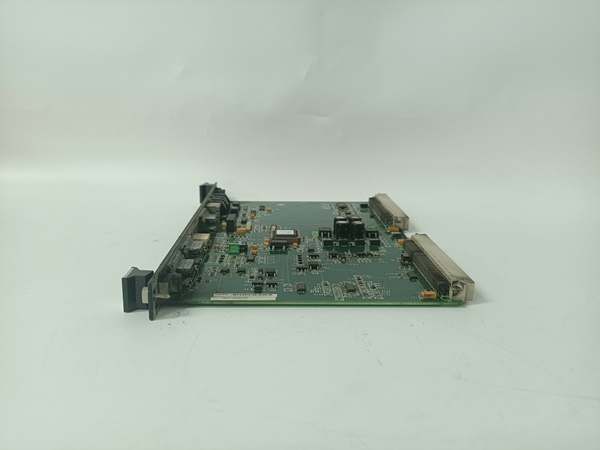
Description
Product Introduction
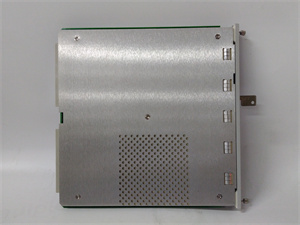
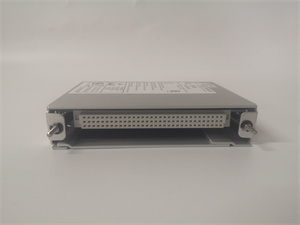
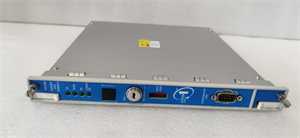
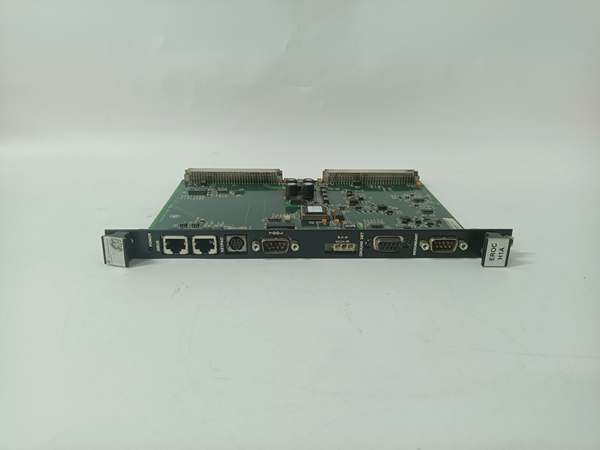
The is a Fieldbus Communication Module (FROC) designed for the Mark VIe turbine control platform, acting as the gateway between GE’s proprietary control network (IONet) and standard industrial protocols. It allows the turbine controller to talk directly to third-party devices like Siemens sensors, ABB transmitters, or Rockwell PLCs without needing external gateways.
This “H1ABB” revision is DIN-rail mountable and supports dual-port redundancy, meaning it can maintain 99.99% uptime even if one communication channel fails. It handles Profibus DP/V1 (up to 12 Mbps) and Modbus RTU, with embedded diagnostics logged via GE’s Proficy software. The unit runs on 24 Vdc and includes AES-128 encryption for cybersecurity compliance (IEC 62443) .
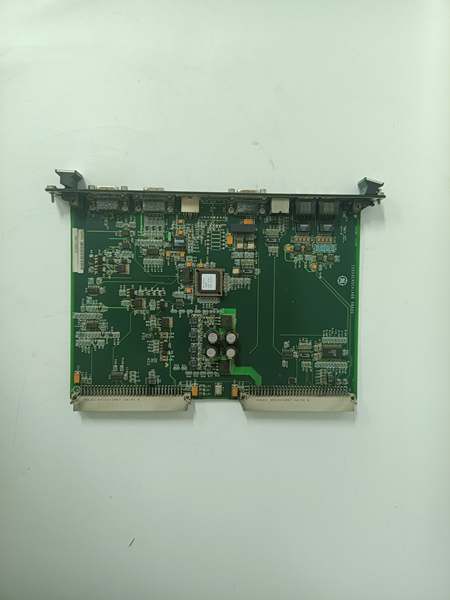
IS200EROCH1ABB
Key Technical Specifications
- Module Type: FROC (Fieldbus Gateway)
- Supported Protocols: Profibus DP/V1, Modbus RTU
- Data Rates: 9.6 kbps – 12 Mbps (Profibus), 115.2 kbps (Modbus)
- Max Nodes: 126 (Profibus), 247 (Modbus)
- Power Input: 24 Vdc (±10%, Reverse Polarity Protected)
- Current Draw: ~150 mA (Standby), ~350 mA (Active)
- Redundancy: Dual-Port (Independent Channels for Hot-Swap)
- Connectors: Screw Terminals (Power), DB9/Profibus Ports (Field)
- Security: AES-128 Encryption (IEC 62443)
- Mounting: DIN Rail (110 x 80 x 60 mm typical)
- Temp Range: -30 °C to +65 °C (Operational)
- Certification: Class I, Div 2 (Hazardous Locations)
Quality Control Process (Engineer’s Perspective)
- Incoming Verification: Match the serial to the manifest. Inspect the DB9/Profibus ports for bent pins—common after loose packing. Check the screw terminal blocks for cracked plastic levers.
- Live Protocol Test: Rig with a Profibus simulator (e.g., Siemens PLC). Run a 12 Mbps cyclic data exchange for 24 hrs. We monitor the “Link” LEDs; packet loss must be zero to ensure turbine data integrity.
- Electrical Parameter Test: Back-probe the 24 Vdc terminals with a Fluke 115. Verify input protection triggers on reverse polarity (should auto-recover). Ripple shouldn’t exceed 50 mV p-p.
- Diag Verification: Trigger a “Cable Break” simulation via software. The module must log the fault code immediately in the Proficy buffer—well, technically diag timing depends on scan rate, but hardware detection is near instant.
- Final QC & Packaging: Torque test a terminal screw (0.5 Nm). Bag in anti-static foam. Label “QC Passed – Profibus/Modbus Loop” with the date.
Replacement Pitfall Guide
❗ Terminator Resistors (Profibus): Profibus networks require 220Ω (or 120Ω) terminators at both ends of the cable run. Forgetting to fit the terminator on the port when it is the last node causes signal reflection, leading to “Bus Fault” and loss of third-party data (e.g., vibration sensors dropping offline).
❗ Protocol Mismatch: This unit supports both Profibus and Modbus, but usually not simultaneously on the same port config. Forcing a Modbus device onto a port configured for Profibus DP/V1 in ToolboxST results in “Slave Not Responding” errors. Verify the .cfg file mapping before racking.
❗ DIN Rail Grounding: The metal DIN clip is the primary ground path. Mounting it on an ungrounded plastic bracket or painted DIN rail floats the shield, inviting EMI from nearby VFDs that corrupts the 12 Mbps Profibus signal.
❗ Firmware Version: The “ABB” revision may require ToolboxST v2.5+ to unlock full ABB AC800M compatibility features. Older software versions might recognize the hardware but fail to utilize the V1 (parameterization) diagnostics.
❗ ESD to Ports: The DB9/Profibus pins are static-sensitive. Discharge to the cabinet frame before patching field cables—critical in dry turbine halls (common in northern China winters).
Keep these in mind and you’ll cut 90% of rework time.
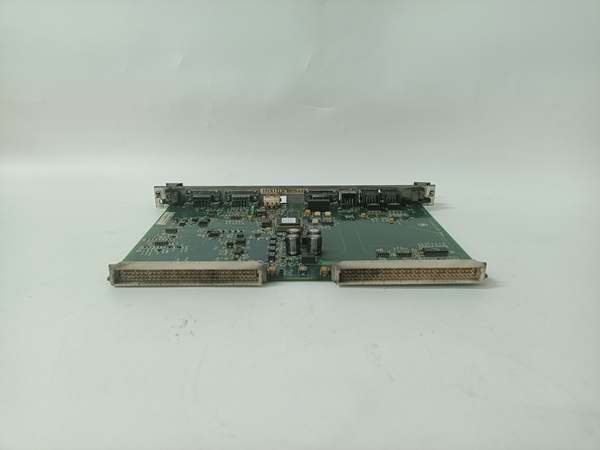
IS200EROCH1ABB
Compatibility Matrix & Benchmarks
- → GE IS200FROCH1A: Needs Adaptation— “ABB” is a specific rev; verify ToolboxST version supports the diag features.
- → Mark VIe Controller (UCSB/UCSC): Direct— Connects via IONet or directly to I/O packs depending on architecture.
- → Standard Ethernet Switch: Incompatible— This handles Fieldbus (Layer 2) protocols, not standard TCP/IP switching.
- Data Throughput: 12 Mbps (Profibus Max)
- Update Rate: 80 ms (Typical field update in optimized configs)
- MTBF: ~300,000 hours (Per GE testing)