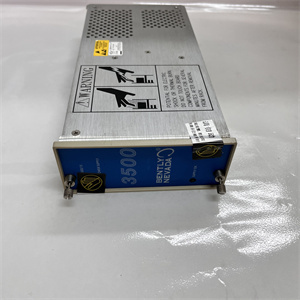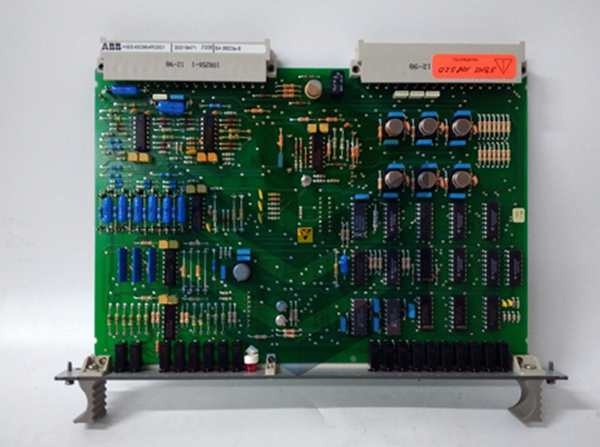
Description
Hard-Numbers: Technical Specificiations
- Wetting Supply Voltage: 70 VDC (operational range 63V to 84V DC)
- Contactor Channels: 4 independent drivers (K41 Close, K53A/B Flash, KDEP De-Excitation)
- Contact Wetting Current: 5-10 mA (maintains oxide-free closure)
- EMIO Interface Connectors: 3 x 25-pin D-sub (for M1, M2, and C controllers)
- Operating Temperature: -30°C to +65°C
- Isolation Rating: 1500V AC (primary driver circuits to logic)
- PCB Protection: Military-grade Conformal Coating (Moisture & Dust resistant)
- Mounting Location: Exciter Power Backplane Rack (EPBP)
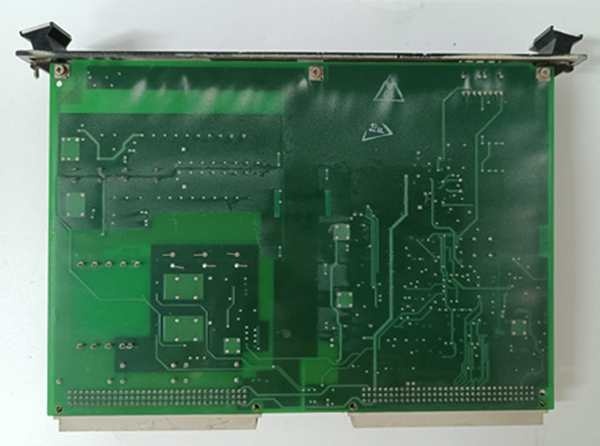
GE IS200EXHSGREC
The Real-World Problem It Solves
You are troubleshooting a 9FA gas turbine in a coastal paper mill where the salty, high-humidity air keeps corroding the standard EXHS board’s traces, causing intermittent “Contactor Wetting Failure” alarms and disrupting black starts. The old non-coated boards can’t handle the conductive dust and moisture, leading to premature failures. You need a board built for the apocalypse—one with a sealed, military-grade conformal coating and derated components that laughs at corrosion. This REC variant eliminates that nightmare. It acts as the bulletproof enforcer for your field flashing and de-excitation sequences, refusing to quit even when the rest of the cabinet is rusting.
Where you’ll typically find it:
- Coastal & Offshore Power Plants: Mounted on the EPBP, resisting salt spray and 100% humidity that would kill standard electronics.
- Paper Mills & Chemical Plants: Surviving highly corrosive atmospheres where sulfur dioxide and conductive dust are rampant.
- Mission-Critical Nuclear Facilities: Where MTBF isn’t a suggestion, but a regulatory requirement for non-stop operation.
It turns a chemically hostile, humidity-soaked control room environment into just another Tuesday for your excitation system.
Hardware Architecture & Under-the-Hood Logic
This board isn’t just an EXHS; it’s a tank. It sports the standard EX2100 relay driver architecture but is built with a focus on absolute resilience. It lives on the EPBP backplane, acting as the indestructible muscle behind your most violent electrical events. The “REC” suffix stands for Reliability Enhanced Coating—meaning every trace, via, and component is sealed under a thick layer of polyurethane or silicone.
- 70VDC Wetting Supply & Derating: Just like its siblings, it takes 70VDC wetting supply. But internally, the power MOSFETs and driver transistors are significantly derated (e.g., a 50A rated part is run at 20A). This massive thermal headroom means they run cool and refuse to fail under transient spikes.
- Sealed Relay Drive Logic: When commanded by the EMIO, the board slams 70VDC into the K41, K53A/B, or KDEP coil. The high wetting current punches through any oxidation on the aged contactor tips, guaranteeing a hard, authoritative close every single time.
- Conditioned Status Feedback Loop: It takes the raw, unconditioned signals from the EDEX (de-excitation status) and the crowbar circuits. It runs them through heavily filtered, optically isolated buffers before shooting them back to the M1/M2/C EMIO boards. The conformal coating prevents any stray moisture from creating phantom signals on these critical safety lines.
- Multi-Controller Redundant Distribution: It fans out the contactor status and crowbar signals across the three 25-pin connectors to M1, M2, and C controllers. Even if the M1 EMIO gets doused in coolant, M2 and C still get a pristine, uncoated-by-corrosion signal.
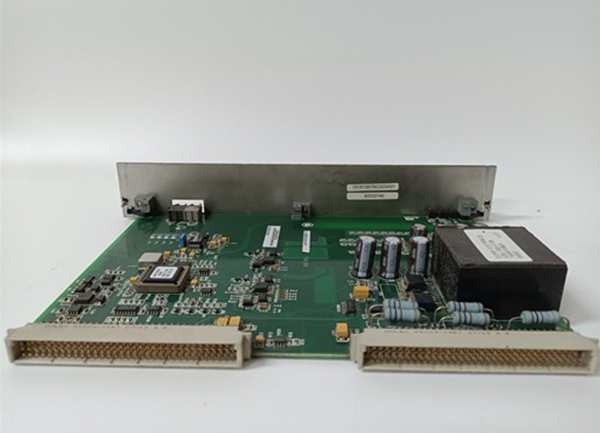
GE IS200EXHSGREC
Field Service Pitfalls: What Rookies Get Wrong
Trying to Perform Field Repairs on a Conformally Coated Board
A rookie notices a cold solder joint on a resistor and pulls out his trusty 350°C soldering iron to fix it right there in the turbine hall. He melts the coating, bridging two adjacent pads, and effectively bricks the board by shorting the 70VDC wetting supply to the 24VDC logic ground. Poof. $12,000 gone in a puff of toxic smoke.
- Field Rule: You never, ever solder, scrape, or modify a board with a “C” suffix (coated). That coating is its immune system. If you see a physical defect, RMA it immediately. Field rework breaks the seal and invites corrosion in through the exact spot you “fixed.”
Using Corroded Terminals for the 70VDC Wetting Supply
A mechanic lands the 70VDC wetting supply wires onto the EXHS terminals. He notices a tiny bit of green oxidation on the brass terminal block but figures “70 volts will punch through it.” During a critical black start, the high resistance at the terminal causes the wetting voltage to sag to 55VDC. The K53 flash contactor chatters, fails to close, and the unit stays dead in the water.
- Quick Fix: If you see green or white oxidation on the terminal blocks, do not land the wires. Take a brass brush and some contact cleaner, scrub the terminals down to bare, shiny metal. Apply a thin coat of dielectric grease to the terminals before tightening. A corroded terminal on a wetting supply is a guaranteed recipe for a failed start.
Routing Humid Air Directly Over the Board
A junior engineer installs the EXHS in a cabinet where the plant’s compressed air dryer vent blows cool, moist exhaust air directly across the open rack. Within six months, microscopic condensation forms under the conformal coating’s edge, wicking inward and causing dendritic growth between the closely spaced 70VDC driver traces. The board develops a permanent, untraceable short.
- Field Rule: Keep moisture sources away from your coated electronics. Install the EXHS in a location with positive, dry airflow. If forced air is unavoidable, ensure it’s coming from a dehumidified source. A “water-resistant” coated board is not a submarine; it still needs a dry environment to survive long-term.
Commercial Availability & Pricing Note
Please note: The listed price is for reference only and is not binding. Final pricing and terms are subject to negotiation based on current market conditions and availability.