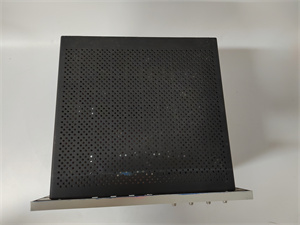
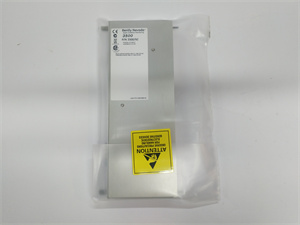
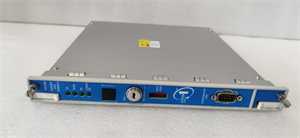
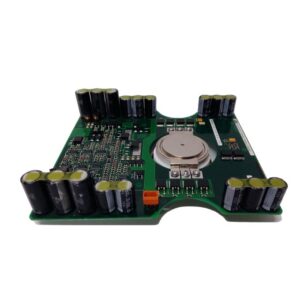
Description
Hard-Numbers: Technical Specifications
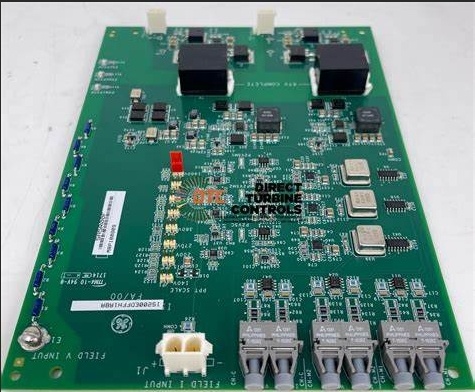
- Fiber Interface: ST Connectors (Multimode Fiber)
- Supported Servos: Fanuc Alpha Series, Siemens Simodrive
- Input Voltage: 24 VDC (±10%)
- Power Draw: Approx. 12 Watts
- Data Transfer Rate: High-Speed Serial (32 Mbps)
- Operating Temperature: -30°C to +65°C
- Isolation Rating: 2500 VAC Input-to-Output
- Watchdog Timer: Programmable 100ms to 2s intervals
- MTBF: ≥ 300,000 hours
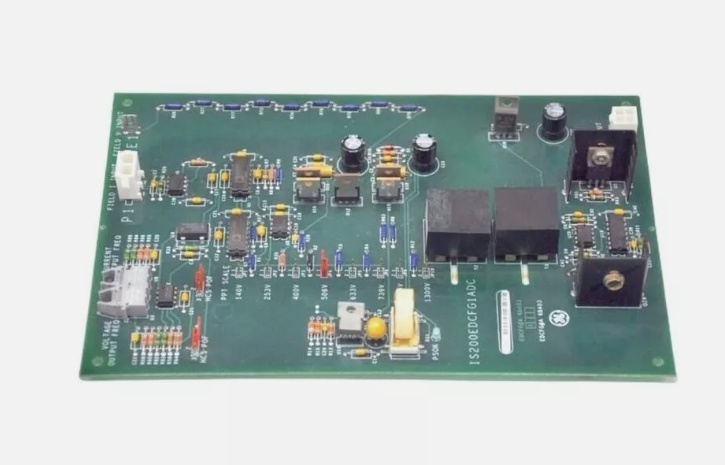
The Real-World Problem It Solves
You’re troubleshooting a massive hydro-turbine governor system where the 480V VFD driving the wicket gate actuators is spewing EMI all over the control cabinet. The old copper-wired serial links between the Mark VI controller and the Fanuc servo drives keep dropping packets, causing the wicket gates to jerk and hunt. You need an interface that completely kills the ground loops and delivers deterministic motion commands. This EDFF board eliminates that nightmare. It transmits high-speed serial data through ruggedized fiber optics, ensuring the wicket gates move exactly when and how the controller commands, even in the electrical chaos of a powerhouse.
Where you’ll typically find it:
- Large Hydro-Electric Dam Governor Systems: Interfacing Mark VI controllers with Fanuc Alpha servo drives for precise wicket gate positioning.
- Heavy-Duty Steam Turbine Control Valve Actuators: Managing the high-speed motion loops for main steam and bypass valves.
- Retrofit Projects: Replacing obsolete hard-wired serial interfaces in legacy hydro-turbine control rooms.
It turns a noisy, jittery mechanical actuation system into a deterministic, optically isolated motion control loop.
Hardware Architecture & Under-the-Hood Logic
This board isn’t just a dumb media converter; it’s an intelligent protocol bridge designed to survive the brutal electrical environment of a hydroelectric dam. It sits on the Mark VI backplane, acting as the diplomat between the digital world of the controller and the analog/motion world of the servo drives.
- Mark VI Backplane Interfacing: The board polls the M1, M2, and C controllers via the IONet or Genius backplane. It pulls the latest wicket gate position setpoints, PID outputs, and diagnostic commands into its onboard FIFO buffer.
- High-Speed Serial Encoding: The parallel backplane data is serialized and encoded into a high-speed optical stream. This encoding includes CRC (Cyclic Redundancy Check) bits to ensure data integrity over long fiber runs.
- Galvanic Isolation via Fiber Optics: The encoded serial stream is converted into light pulses and shot down ST-terminated multimode fiber cables. This completely severs the electrical connection between the Mark VI rack and the Fanuc servo drive, eliminating ground loops and conducted EMI.
- Servo Command Decryption: At the other end of the fiber, a mating board (or the drive’s interface card) converts the light back into electrical signals. The Fanuc drive reads the high-speed serial command and adjusts the motor torque/position accordingly, feeding actual position feedback back to the EDFF in real-time.
Field Service Pitfalls: What Rookies Get Wrong
Crushing the ST Fiber Connectors During Installation
A rookie is connecting the fiber patch cable from the EDFF to the Fanuc drive interface. He grips the ST-connector body and twists it hard to “make sure it’s in.” He cracks the internal ceramic ferrule. Two days later, the turbine trips on “Servo Link Loss” because the optical signal is attenuated below the receiver’s threshold.
- Field Rule: Hold the connector by the strain-relief boot, not the body. Insert with gentle, steady pressure until you feel the click of the retention sleeve. Never torque an optical connector; treat it like a delicate instrument.
Ignoring the Fiber-Optic Link Loss Budget
A mechanic reroutes the fiber-optic cables during a cabinet cleanup. He adds two extra in-line splice trays and three patch panels to make the rack look tidy. The cumulative signal loss exceeds the EDFF’s optical budget. The link works during the day but drops out every evening when the dam’s ambient temperature drops, increasing attenuation.
- Quick Fix: Calculate your total optical link loss before making changes. Keep patch panel jumps to an absolute minimum. Use a calibrated optical power meter to verify the received light level is within the EDFF’s specified range (-10 dBm to -30 dBm typical).
Swapping the EDFF Without Matching the Servo Drive Firmware
You pull a fried IS200EDFFH1A from a hydro-plant and slap in a brand-new one. The turbine powers up, but the wicket gates refuse to move. The EDFF’s internal serial protocol handshake fails because the new board shipped with a firmware baseline that is incompatible with the legacy Fanuc Alpha-i series drive firmware.
- Field Rule: Always check the firmware compatibility matrix between the EDFF board and the target servo drive. If the drive is older than 2010, you may need to downgrade the EDFF’s firmware using ToolboxST before it will establish a link.
Commercial Availability & Pricing Note
Please note: The listed price is for reference only and is not binding. Final pricing and terms are subject to negotiation based on current market conditions and availability.