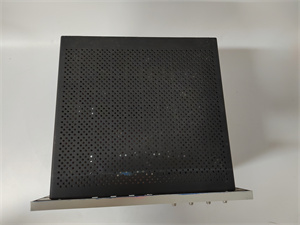
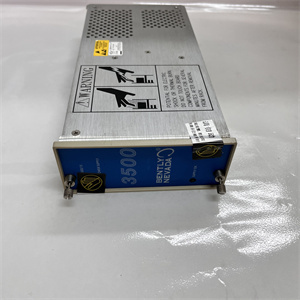
Description
Hard-Numbers: Technical Specifications
- Wetting Supply Voltage: 70V DC (Range: 63-84V DC)
- Relay Outputs: 4x General-Purpose Form-C Relays (controlled by EMIO)
- Trip Outputs: 2x Dedicated Trip Contact Outputs (drives customer lockout)
- Contact Inputs: 52G & 86G Breaker Inputs, 6x Auxiliary Inputs
- Operating Temperature: -30°C to +65°C
- Board Dimensions: 330mm (H) x 178mm (W)
- Isolation Rating: Resistor-isolated input monitoring
- Backplane Distribution: Fanned out to M1, M2, and C controllers
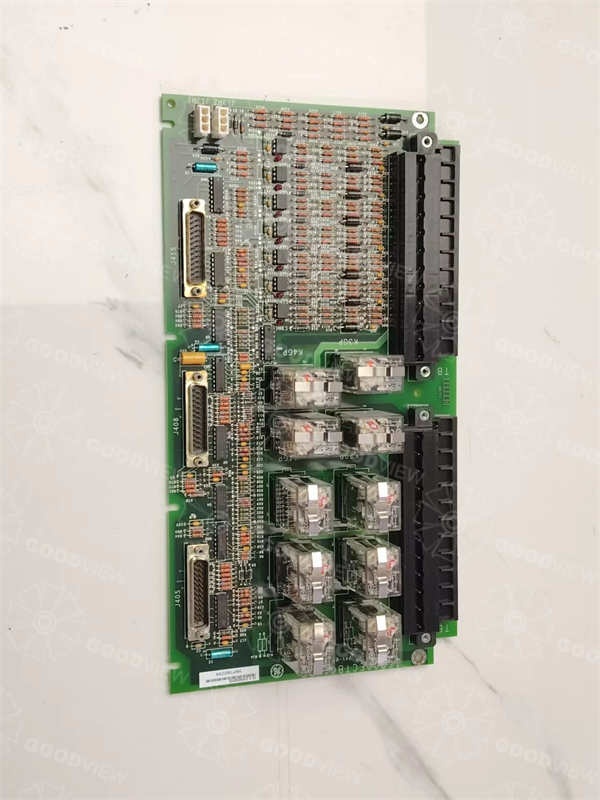
GE IS200ECTBG1ADE
The Real-World Problem It Solves
You’re troubleshooting a 9FA gas turbine on a humid offshore platform. The 24VDC signals from the 52G breaker are bouncing because salt spray has oxidized the contact surfaces, causing false “Breaker Open” trips. You need an interface that punches through that grime. This ECTB board eliminates that headache. It delivers a 70VDC wetting voltage to all contact inputs, burning through oxidation and ensuring crisp, deterministic switching even in the saltiest environments.
Where you’ll typically find it:
- EX2100 DE-Series Exciter Cabinets: Managing 52G breaker contacts, 86G lockout relays, and critical auxiliary interlocks.
- Offshore Platform Turbine Skids: Operating in Class 1 Div 2 zones where standard 24VDC relays fail within months.
- Heavy-Duty Fossil Plants: Providing the hardened physical interface for the EMIO processor’s trip logic.
It turns a noisy, unreliable contact interface into a deterministic, high-voltage-controlled safety loop.
Hardware Architecture & Under-the-Hood Logic
This board doesn’t have a microprocessor. It’s a passive, hardened signal interface built to survive the corrosive atmosphere of a turbine deck. It acts as the heavy-duty bouncer between the delicate EMIO controller and the brutal world of field-wired breakers and relays. The “DE” suffix indicates specific I/O mapping and jumper configurations tailored for DE-series excitation logic.
- 70VDC Wetting Power Distribution: The board generates a rock-solid 70VDC bias. This high-voltage potential is applied across all auxiliary contact inputs and breaker status lines. When a contact closes, the 70VDC arcs momentarily, burning off any surface oxidation or sulfide films to ensure a solid electrical connection.
- Resistor-Isolated Input Monitoring: Each contact input line passes through a dedicated series resistor. This protects the downstream EMIO control circuitry from voltage surges or accidental short circuits originating from the field wiring.
- Redundant Signal Fan-Out: All monitored contact statuses are replicated and distributed across the backplane. This ensures the M1, M2, and C controllers all receive identical, synchronized data on the turbine’s breaker and lockout status.
- EMIO-Controlled Relay Drive: The four Form-C relays and two trip outputs are triggered directly by the EMIO processor. The board acts as the final muscle, physically opening or closing the lockout relays that safeguard the multi-million-dollar generator.
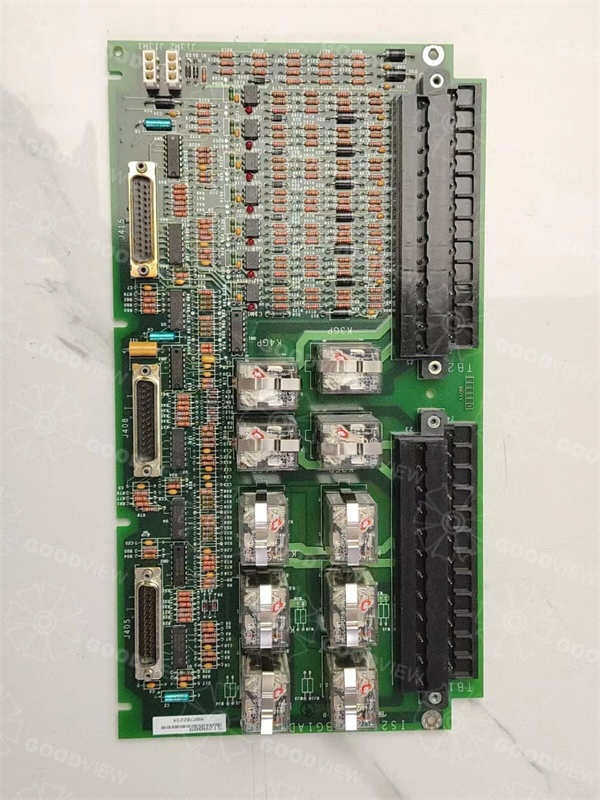
GE IS200ECTBG1ADE
Field Service Pitfalls: What Rookies Get Wrong
Swapping a Standard G1A for a DE-Series Board Without Mapping Changes
A rookie pulls a fried IS200ECTBG1ADE and pops in a generic IS200ECTBG1A from the warehouse. The turbine powers up, but refuses to roll. The EMIO controller throws a “DE Configuration Mismatch” alarm. The standard G1A lacks the specific jumper configurations and internal trace routing required for DE-series excitation logic.
- Field Rule: Always match the full part number, including the “DE” suffix. If the failed unit is a DE variant, a standard spare will not work. Order the exact custom part, or you’ll spend your weekend rewriting I/O maps instead of drinking beer.
Letting the 70VDC Wetting Lugs Loosen
A mechanic performs a routine cleaning and bumps the 70VDC input lugs on the ECTB. He doesn’t retorque them. A month later, the turbine trips on “False 86G Lockout” because the loose lug created a high-resistance connection, dropping the wetting voltage below the threshold needed to sense the closed breaker contact.
- Field Rule: Torque all 70VDC and relay output lugs to 15 lb-in. Use a calibrated torque screwdriver. Never assume a lug is tight just because it looks snug. A quarter-turn backout is all it takes to ruin your weekend.
Mixing 24VDC and 70VDC Wiring in the Same Terminal Strip
A junior engineer lands a standard 24VDC proximity switch onto the same terminal strip as a 70VDC breaker contact input. A stray strand from the 24VDC wire touches the 70VDC bus bar. The resulting arc flash melts the terminal block and destroys the ECTB’s input conditioning circuit.
- Field Rule: Physically segregate your voltage classes. Keep 70VDC wetting circuits on dedicated terminal strips. Label everything with bright zip-tie tags. Never let 24VDC and 70VDC wiring occupy the same physical block unless a factory-installed barrier divider is present.
Commercial Availability & Pricing Note
Please note: The listed price is for reference only and is not binding. Final pricing and terms are subject to negotiation based on current market conditions and availability.