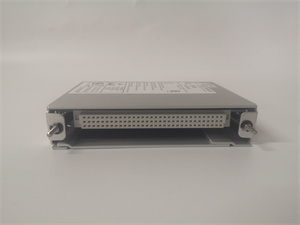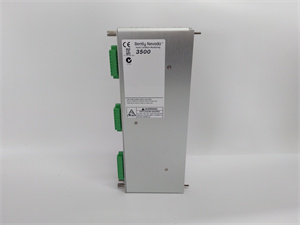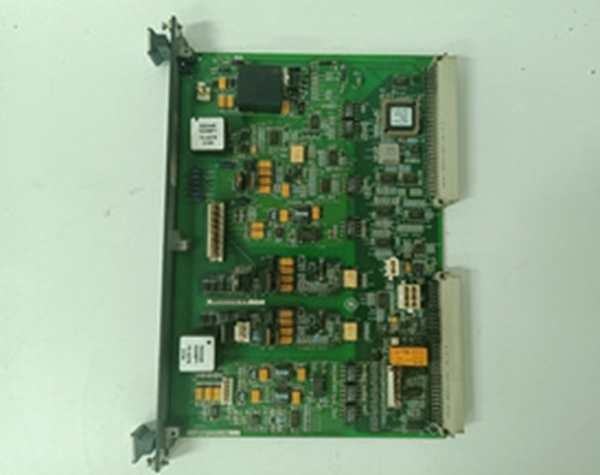
Description
Hard-Numbers: Technical Specifications
- Contact Outputs: 4x General-Purpose Form-C Relays (controlled by EMIO)
- Trip Outputs: 2x Dedicated Trip Contact Outputs (drives customer lockout)
- Contact Inputs: 6x Auxiliary Contact Inputs (70VDC wetted)
- Breaker Contact Inputs: 52G & 86G (70VDC wetted & monitored)
- Wetting Supply Voltage: 70V DC (range: 63-84V DC)
- Operating Temperature: -30°C to +65°C
- Board Dimensions: 330mm (H) x 178mm (W)
- Pin Connectors: J405, J408, J415
- Isolation Rating: Resistor-isolated input monitoring
- Backplane Communication: Distributed to M1, M2, and C controllers
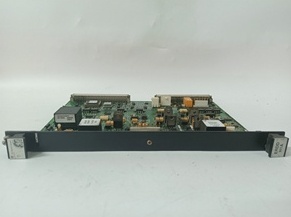
GE IS200ECTBG1A
The Real-World Problem It Solves
You’re troubleshooting a 9FA gas turbine that keeps tripping on “Generator Lockout” because the old relay wiring is corroded and the 24VDC signals are bouncing in the salty air. You need a rock-solid interface that can drive heavy lockout relays and monitor breaker status with a wetting voltage that cuts through the grime. This ECTB board solves that mess. It provides 70VDC wetting power to all contact inputs, ensuring crisp, noise-free switching even in the most corrosive offshore environments.
Where you’ll typically find it:
- EX2100 Excitation Control Cabinets: Managing 52G breaker contacts, 86G lockout relays, and auxiliary shutdown interlocks.
- Heavy-Duty Gas & Steam Turbine Control Systems: Providing redundant “2-out-of-3” voting logic for critical trip circuits.
- Offshore Platform Turbine Skids: Operating in Class 1 Div 2 zones where salt spray and high humidity destroy standard 24VDC relays.
It turns a noisy, unreliable contact interface into a deterministic, wetting-powered lockout system.
Hardware Architecture & Under-the-Hood Logic
This isn’t a smart I/O card; it’s a hardened contact interface and voting hub. It lives on the EX2100 backplane and acts as the gateway between the delicate EMIO processor and the brutal electrical environment of the turbine hall. The “1A” suffix indicates it’s strictly for redundant (1-out-of-2 or 2-out-of-3) control architectures.
- 70VDC Wetting Power Distribution: The board generates a rock-solid 70VDC wetting voltage. This high-voltage bias is applied to all auxiliary contact inputs (52G, 86G, and 6 user inputs), ensuring that even slightly oxidized or corroded contacts make a solid electrical connection.
- Resistor-Isolated Input Monitoring: Each of the six auxiliary inputs and the 52G/86G breaker contacts is routed through a series resistor. This protects the delicate EMIO control circuitry from short circuits and voltage surges coming from the field wiring.
- Redundant Voting & Trip Logic: The board supports “2-out-of-3” contact voting for its relay drivers. It polls the M1, M2, and C controllers. Only when two out of the three controllers agree on a trip state will the board actually energize the lockout relay, preventing false trips from a single faulty controller.
- Signal Fan-Out to Controllers: All monitored contact statuses are replicated and fanned out to the M1, M2, and C controllers via the backplane. This ensures all three redundant processors have identical real-time knowledge of the turbine’s lockout and breaker status.
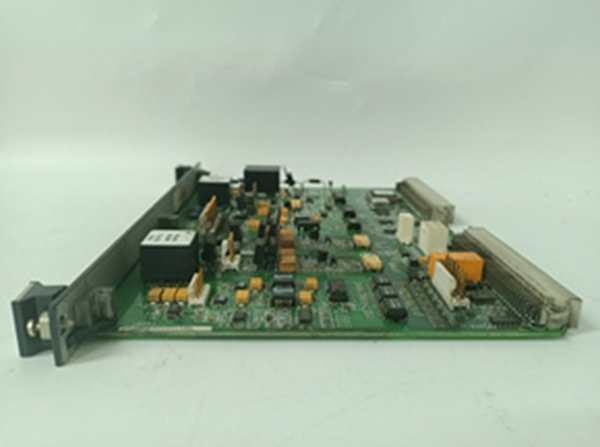
GE IS200ECTBG1A
Field Service Pitfalls: What Rookies Get Wrong
Running the Board in Simplex Mode
A rookie installs the IS200ECTBG1A in a non-redundant turbine control system because “a Form-C relay is a Form-C relay.” The board powers up fine, but the EMIO controller throws a “Redundancy Configuration Mismatch” alarm and refuses to arm the trip outputs. The “1A” hardware is hardcoded to expect redundant voting logic; it won’t operate in simplex mode.
- Field Rule: Always match the hardware revision suffix to your control architecture. If your system is simplex, you mustuse the IS200ECTBG2A (G2 variant). The G1A (1A) variant is exclusively for redundant (1oo2 or 2oo3) architectures. Never try to force a square peg into a round hole.
Letting the 70VDC Wetting Supply Brown Out
A tech is troubleshooting a “False 86G Lockout Trip” alarm. He checks the wiring and finds no physical grounds. The root cause? The 70VDC wetting power supply from the ECTB board has drooped to 58VDC due to a failing internal regulator. The insufficient wetting voltage causes the high-resistance 52G contact to bounce, tricking the EMIO into thinking the breaker has opened.
- Quick Fix: Regularly check the 70VDC wetting supply voltage at the input terminals using a calibrated multimeter. The voltage must stay between 63VDC and 84VDC. If it drifts below 63VDC, the board’s internal regulator is failing. Swap the ECTB immediately before it causes a nuisance trip.
Overlooking Series Resistor Degradation on Input Channels
A mechanic replaces a failing 52G breaker contact in the field. He disconnects the old wire and lands the new one. A month later, the turbine refuses to synchronize because the EMIO never sees the “Breaker Closed” signal. The culprit? The input series resistor on the ECTB board has drifted out of tolerance, creating a voltage divider that prevents the 70VDC wetting current from reaching the threshold.
- Field Rule: Always verify input channel continuity and resistance during PMs. Use a megger to test the isolation of the series resistors. If you suspect a channel has gone high-impedance, inject a 70VDC test signal and watch the EMIO’s status bits. Replace the ECTB if the input threshold is unmet.
Commercial Availability & Pricing Note
Please note: The listed price is for reference only and is not binding. Final pricing and terms are subject to negotiation based on current market conditions and availability.