Description
Hard-Numbers: Technical Specifications
- Operating Temperature: -40°C to +85°C
- Humidity Resistance: Conformal Coated PCB (resists salt fog and airborne contaminants)
- Input Voltage: 125 VDC (sourced from EDIS power supply)
- Interface to Controller: High-Speed Serial Link Interface (HSLA) via Fiber Optic
- Bridge Compatibility: SCR/Thyristor systems (42mm, 52mm, 77mm frame sizes)
- Diagnostic LEDs: Multiple (Gate Power, Line Filter, Fan Status, Over-Temp, General Fault)
- Communication Protocol: Proprietary Fiber-Optic Serial for Gate Drive
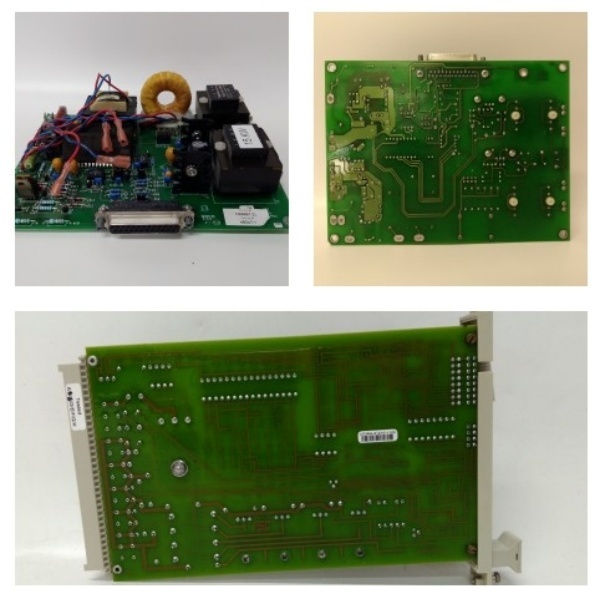
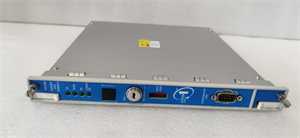
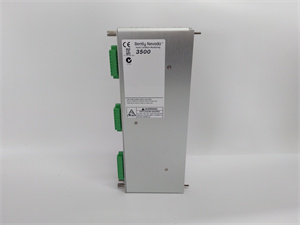
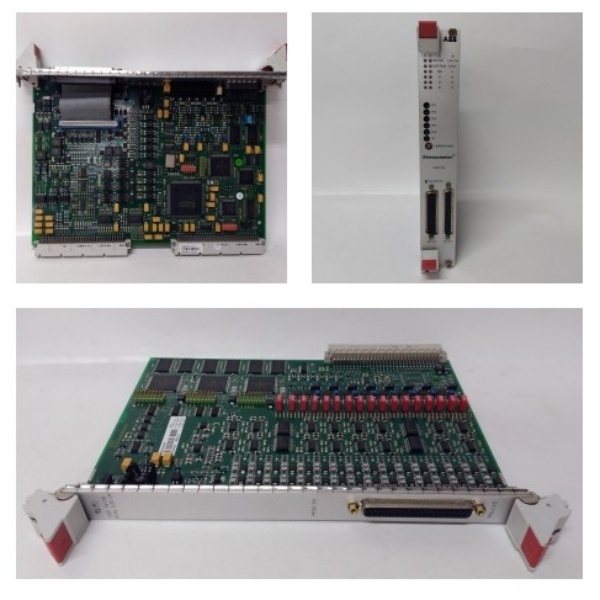
GE IS200EBRGH1A
The Real-World Problem It Solves
You’re standing in a sweltering 9FA gas turbine exciter cabinet, and the turbine just tripped on “Bridge Over-Temp.” The old hard-wired gate drive cables picked up electrical hash from the 4160V switchgear, causing the thyristors to misfire and cook themselves. You need a board that can transmit firing pulses through fiber optics to eliminate EMI and provide real-time feedback on bridge health without burning down the plant. This EBRG board solves that nightmare. It isolates the deadly high-voltage bridge from your delicate 24VDC control logic and keeps the thyristors firing cleanly, even in corrosive offshore environments.
Where you’ll typically find it:
- EX2100/EX2100e Exciter Cabinets: Mounted on the backplane, bridging the DSPX processor and the thyristor power bridge.
- Heavy-Duty Steam Turbine Generators: Managing gate firing sequences for massive brushless exciters.
- Retrofit Projects: Replacing obsolete relay-based gate drive systems in legacy turbine-generator sets.
It turns a noisy, high-risk thyristor firing system into a deterministic, optically isolated control loop.
Hardware Architecture & Under-the-Hood Logic
This board doesn’t just pass data; it’s a hardened signal gateway and diagnostic hub. It sits on the EX2100 backplane, acting as the bouncer between the logic world of the DSPX and the violent electrical world of the power bridge.
- Fiber-Optic Serial Link (HSLA): The board connects to the HSLA (Host Application Board) via ruggedized fiber-optic cables. High-speed firing angles and feedback data travel at the speed of light, completely immune to the electromagnetic pulse of a nearby lighting strike or a 13.8kV breaker closure.
- SCR Gate Drive Amplification: Raw low-voltage gate pulses arrive from the fiber link. The board buffers and amplifies these signals to the exact current and voltage levels required to force the thyristors into saturation, ensuring crisp, simultaneous firing across all phases.
- Real-Time Bridge Telemetry: The EBRG constantly monitors the bridge’s vital signs. It reads NTC thermistors embedded in the thyristor heat sinks and checks the tachometer pulses from the cooling fans.
- Hardware Fault Latching: If the bridge overheats, a cooling fan seizes, or the line filter blows, the EBRG instantly latches a hardware fault. It kills the gate drive outputs in microseconds and flashes the red LED, protecting the multi-million-dollar generator from a rotor field short.
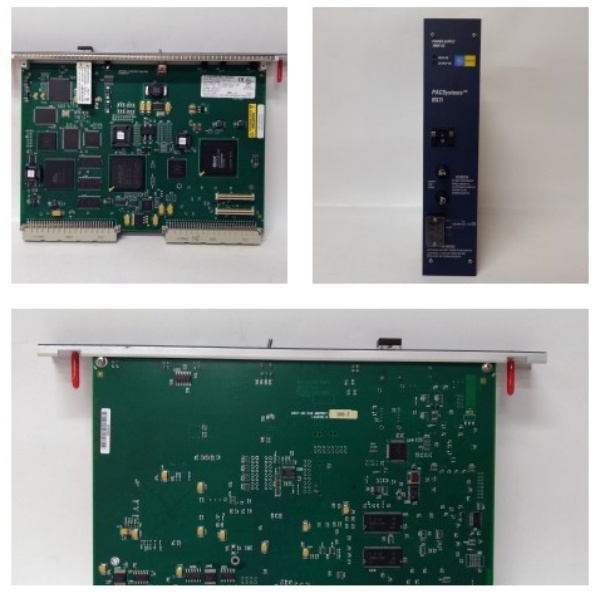
GE IS200EBRGH1A
Field Service Pitfalls: What Rookies Get Wrong
Bending the Fiber-Optic Patch Cables Past Their Minimum Radius
A rookie is routing the fiber cables from the EBRG to the HSLA board. He cinches the zip-ties down tight, creating a 90-degree bend in the fiber jacket. Two weeks later, the turbine trips on “Gate Drive Communication Loss” because the tight bend attenuated the optical signal below the receiver’s sensitivity threshold.
- Field Rule: Always maintain a minimum bend radius of 1 inch (25mm) on all fiber-optic patch cables. Route cables loosely and use velcro straps instead of zip-ties. Never let the fibers kink or get pinched behind heavy terminal blocks.
Ignoring the Cooling Fan RPM Feedback
A tech replaces a seized cooling fan in the power bridge. He hooks up the new fan but leaves the tachometer wire dangling. The EBRG board detects zero RPM on the fan feedback line and immediately latches a “Fan Failure” fault, preventing the turbine from synchronizing. He spends three hours chasing a phantom electrical fault before realizing he forgot the tach lead.
- Quick Fix: Always verify fan tachometer continuity before closing the exciter cabinet doors. Spin the fan manually with your finger and watch the EBRG’s “Fan Status” LED. If it doesn’t blink in time with the rotation, your gate drives will never fire.
Touching the Thyristor Heatsinks Without Verifying Zero Energy
A rookie pulls a tripped EBRG board and immediately reaches into the bridge cubicle to check the thermistor wires on the thyristor modules. He gets a nasty burn because the thyristor heat sinks retain lethal residual voltage for hours after the main breaker opens.
- Field Rule: Always perform a zero-energy verification (LOTO procedure) on the power bridge before sticking your hands anywhere near the thyristor modules. Use a high-voltage probe to verify the bridge capacitors are fully discharged. Respect the 125VDC EDIS supply; it carries enough juice to weld your wedding ring to the chassis.
Commercial Availability & Pricing Note
Please note: The listed price is for reference only and is not binding. Final pricing and terms are subject to negotiation based on current market conditions and availability.