Description
Hard-Numbers: Technical Specifications
- Input Voltage: 85-264 VAC 47-63 Hz / 125-375 VDC
- Output Voltage Channel 1: 24VDC ±1% regulation
- Output Current Channel 1: 12A max continuous
- Output Voltage Channel 2: 48VDC ±1% regulation
- Output Current Channel 2: 6A max continuous
- Total Power Capacity: 300W combined
- Isolation Rating: 1500V input-to-output, 1000V output-to-chassis
- Overload Protection: 105-150% adjustable trip point, auto-recovery
- Operating Temperature: -20°C to +60°C
- MTBF: ≥ 300,000 hours
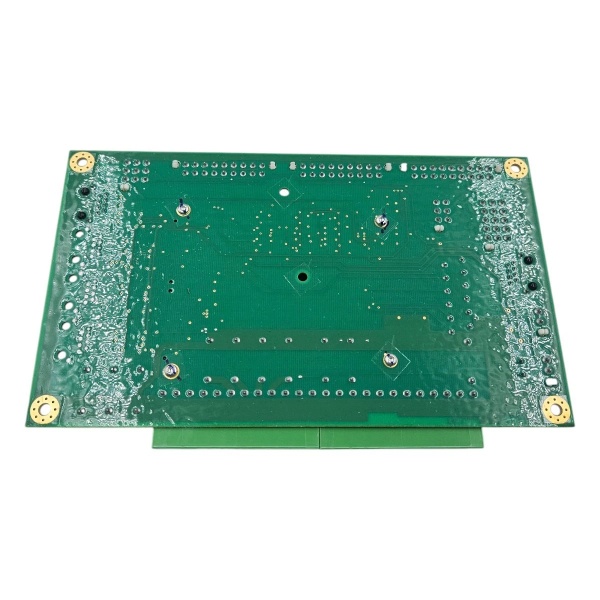
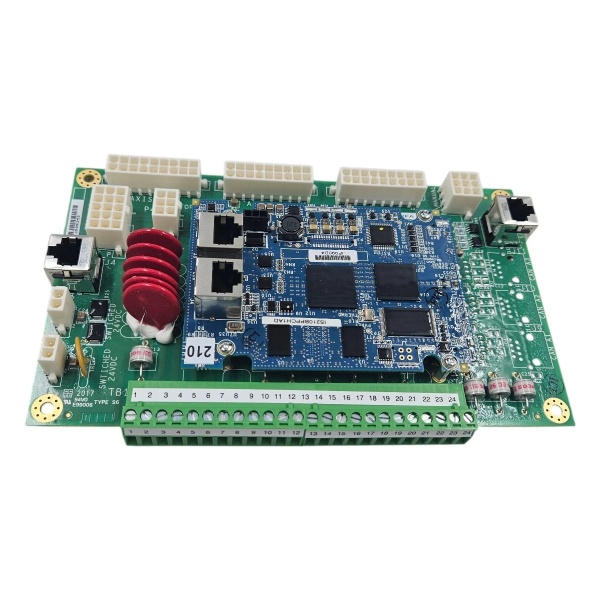
GE IS200AEPCH2CDC
The Real-World Problem It Solves
You’re standing in front of a 600MW combined-cycle turbine control cabinet where the 24VDC distribution is split across four cheap third-party power supplies. One fails, and half the I/O cards drop offline, causing a full turbine trip and a $200k/day lost production penalty. This PSG board consolidates all power delivery into a single, redundant unit with built-in voltage regulation and short-circuit protection, eliminating single points of failure in your 24V/48VDC distribution network.
Where you’ll typically find it:
- Combined-Cycle Gas/Steam Turbine Cabinets: Powering all Mark VIe I/O packs, proximity probes, and solenoid valves.
- Wind Turbine Nacelle Control Panels: Supplying power to pitch motor drives, yaw controllers, and emergency stop systems.
- Refinery Cogen Units: Delivering clean power to SIS-rated sensors in Class 1 Div 2 hazardous areas.
It turns a distributed, failure-prone power network into a single, monitored, redundant supply that keeps your turbine online through minor grid fluctuations.
Hardware Architecture & Under-the-Hood Logic
This is not a passive terminal block; it’s a regulated switching power supply with built-in redundancy logic, designed to live on the Mark VIe backplane and talk directly to the controller for health reporting.
- AC/DC Rectification & Filtering: Raw plant power enters the board’s input stage, where EMI filters scrub electrical hash from nearby 4160V motor drives, followed by full-wave rectification and bulk capacitor smoothing to produce a stable intermediate DC bus.
- Dual Independent Regulated Outputs: Two isolated DC-DC converters generate the 24VDC and 48VDC rails independently, with onboard op-amps monitoring output voltage and adjusting PWM duty cycles to maintain ±1% regulation even under 90% load.
- Redundancy & Load Balancing: The board monitors the health of a paired redundant PSG unit via the backplane. It balances load between the two units, and automatically switches to the redundant unit if the primary fails, with less than 5ms output sag.
- Built-in Diagnostics: Integrated current sensors measure output load in real time, and a microcontroller broadcasts power status, overload alerts, and temperature warnings to the Mark VIe controller for HMI display and event logging.
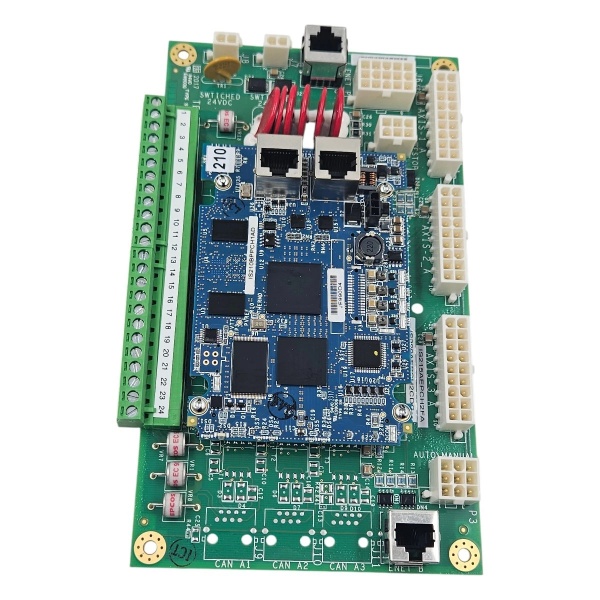
GE IS200AEPCH2CDC
Field Service Pitfalls: What Rookies Get Wrong
Ignoring Input Phase Rotation on 3-Phase Supplies
A rookie wires a 208V 3-phase supply to the PSG board but ignores phase rotation. The board powers up fine, but the unbalanced load on the neutral conductor causes the internal transformer to overheat, leading to a premature failure six months later.
- Field Rule: Always test phase rotation with a volt-ohm meter before energizing. Use a phase sequence tester to confirm L1-L2-L3 rotation matches the plant’s standard. Tighten all input lugs to 15 lb-in torque to prevent loose connections that cause arcing.
Using #20 AWG Wire for 24VDC 12A Output
To save space in a cramped conduit, a junior engineer uses #20 AWG wire for the 24VDC output to the I/O rack. The high current causes the wire to heat up to 90°C, melting the insulation and creating a short circuit that trips the PSG’s overload protection.
- Quick Fix: Adhere strictly to #14 AWG (2.08 mm²) minimum wire gauge for 24VDC 12A output. Use stranded copper wire for vibration resistance, and apply ferrules to all terminations to prevent strand fraying. Torque all output lugs to 10 lb-in.
Skipping the Output Neutral Bonding Check
A tech installs two redundant PSG boards but forgets to bond the 24VDC output neutrals together. When the primary unit fails, the redundant unit takes over, but the floating neutral causes voltage spikes of up to 10V on the I/O cards, triggering false sensor faults.
- Field Rule: Always bond the 24VDC and 48VDC output neutrals of redundant PSG boards together at a common grounding bar. Verify continuity with a multimeter, and ensure the grounding bar is bonded to the plant’s master ground grid with #6 AWG copper wire.
Commercial Availability & Pricing Note
Please note: The listed price is for reference only and is not binding. Final pricing and terms are subject to negotiation based on current market conditions and availability.