Description
Hard-Numbers: Technical Specifications
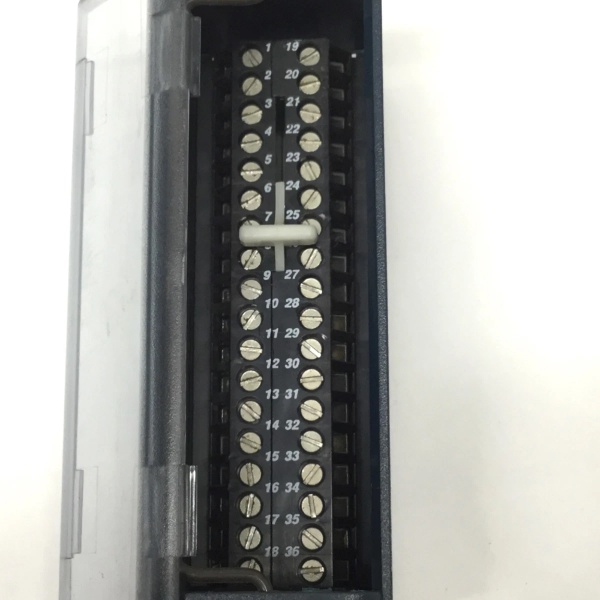
- Terminal Count: 36 screw terminals .
- Wire Gauge: #14-26 AWG, solid or stranded copper .
- Strip Length: 7.87 mm (0.310 in) maximum .
- Terminal Torque: 7 lb-in .
- Rated Voltage: 300V AC/DC (typical for this series).
- Current per Point: 10 A (typical for this series).
- Operating Temperature: -25°C to +70°C (typical for this series).
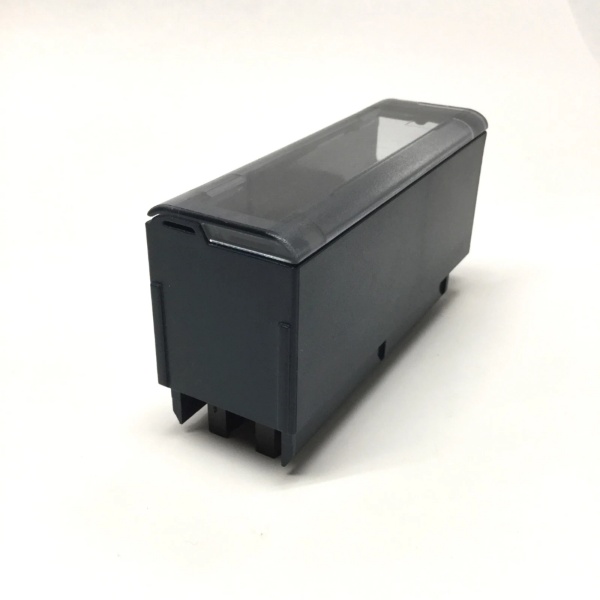
- Cover Depth: Approximately 13 mm (½ inch) deeper than the IC694TBB032 .
- Compatibility: High-density PACSystems RX3i modules and equivalent Series 90-30 PLC modules .
- Mounting: DIN rail mountable.
- Construction: Two-part assembly (module cover and terminal board) made of flame-retardant plastic.
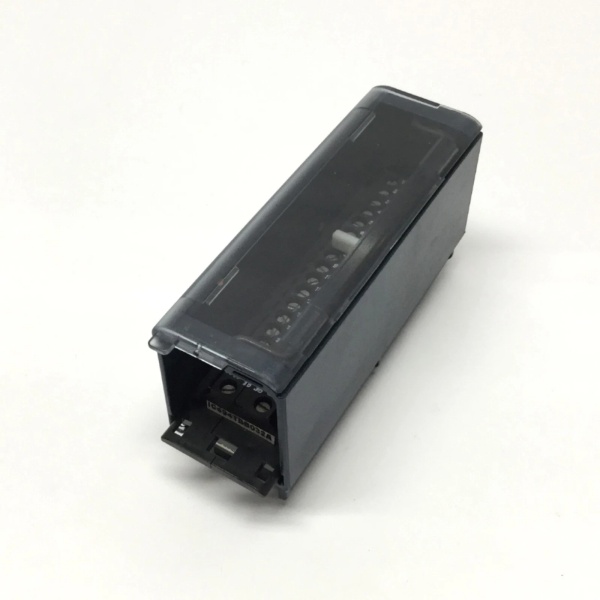
GE IC694TBB032
The Real-World Problem It Solves
The standard terminal base leaves no room for the bulky insulation on AC power wires, forcing a messy, strained connection that risks shorting or poor contact. This extended-depth base creates the necessary cavity to properly seat and dress those thicker wires without compromise.
Where you’ll typically find it:
- AC I/O Modules: Paired with 120VAC or 240VAC input/output modules where wire insulation is significantly thicker than standard DC sensor wiring .
- Retrofit Cabinets: In control panel upgrades where existing AC circuit wiring with older, bulkier insulation must be reused without modification.
- High-Vibration Environments: Applications where extra wire bend radius and strain relief inside the terminal cover are critical for long-term reliability.
It solves a simple but critical spatial constraint, turning a potential wiring nightmare into a clean, serviceable installation.
Hardware Architecture & Under-the-Hood Logic
This is a passive, mechanical extension of the standard terminal base architecture. It contains no active electronics; its entire design purpose is to provide more physical volume within the protective cover.
- Deep Cover Design: The primary modification is a deeper plastic outer shell. All internal components—the terminal board, screw contacts, and mating connectors—are functionally identical to the IC694TBB032 .
- Field Wiring Entry: Thicker-gauge or heavily-insulated field wires are landed on the numbered screw terminals (1-36).
- Internal Cavity: The extended cover provides the extra space needed for the wire’s insulation to fit without being pinched or kinked at the entry point.
- Module Interface: The terminal board itself snaps into this deep cover, and the entire assembly then plugs directly into the back of the compatible high-density I/O module, completing the signal path.
The logic is purely mechanical: more space equals better wire management and termination integrity for specific cable types.
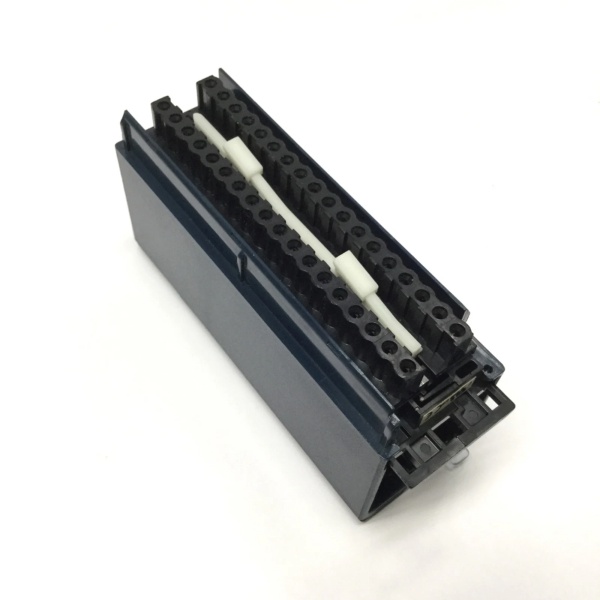
GE IC694TBB032
Field Service Pitfalls: What Rookies Get Wrong
Assuming Interchangeability with TBB032
Techs grab a TBB132 thinking it’s just a spare TBB032. While they electrically mate with the same modules, the deeper cover can cause clearance issues in tightly packed racks or panels designed for the standard-depth unit.
- Field Rule: Before swapping, check the rear clearance in your cabinet. That extra half-inch might hit a duct, wireway, or the back panel.
Misapplying it for DC Circuits
Using this deep-base unit for standard 24VDC sensor wiring is wasteful and creates a loose wire bundle inside the oversized cavity, which can lead to movement and fatigue over time.
- Quick Fix: Reserve the TBB132 specifically for applications with visibly thicker insulation (e.g., 600V rated AC wire). For everything else, use the standard TBB032.
Ignoring the Built-In Strip Gauge
Even with the deeper cover, the critical strip length (0.310″) remains the same. Over-stripping wires because “there’s more room” is a common mistake that exposes bare conductor and risks shorts.
- Field Rule: Use the molded strip length gauge on the bottom of the terminal block itself every time, regardless of which cover is installed .
Please note: The listed price is for reference only and is not binding. Final pricing and terms are subject to negotiation based on current market conditions and availability.