Description
Hard-Numbers: Technical Specifications
- CPU Speed: 240 MHz (Enhanced)
- Discrete I/O Capacity: Up to 4096 points
- Register Memory: Up to 32K words (configurable)
- Programming Software: LogicMaster 90-30 or Proficy Machine Edition
- Serial Port 1: RS-485 (SNP/SNPX, Modbus RTU) – DB-9 Male
- Serial Port 2: RS-232 (Programmer Port) – DB-9 Male
- Ethernet: 10/100BaseT (RJ45) via embedded SNPX support
- Operating Temperature: 0°C to 60°C (32°F to 140°F)
- Isolation: Backplane isolation: None (direct); Isolation modules provide galvanic isolation per module
- Power Draw: Approximately 1.1A @ 5V DC on the backplane
- Battery Backup: Lithium Battery (approx. 3-year lifespan)
- Watchdog Timer: Adjustable, default 200 ms
- Rack Compatibility: 5-slot, 10-slot universal backplane
- DIP Switches: Located on front panel for configuration
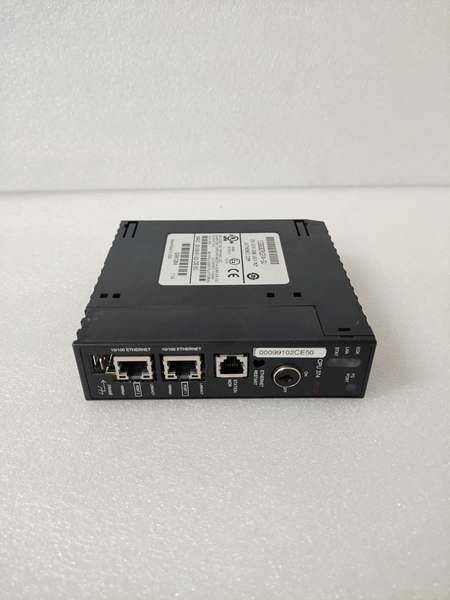
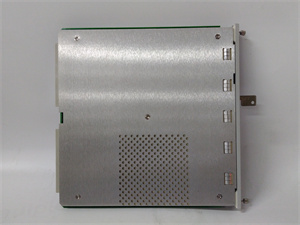
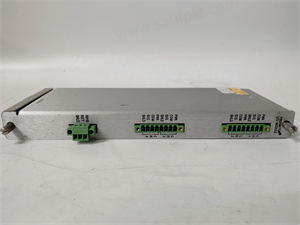
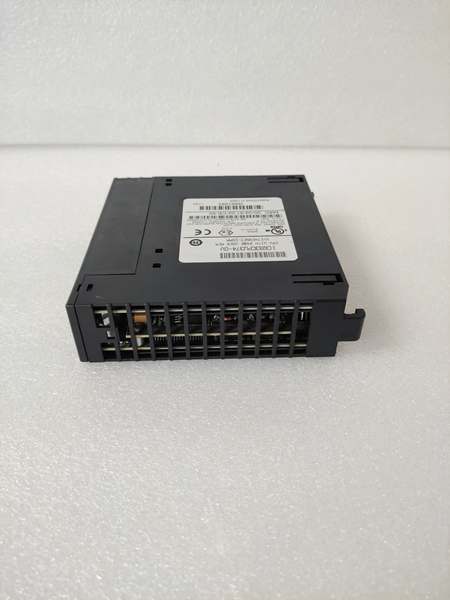
GE IC693CPU374
The Real-World Problem It Solves
This CPU handles legacy serial-to-Ethernet bridging where plants still have older drives or operator stations running on RS-485 SNP. It provides the processing headroom for fast scan times while maintaining backward compatibility with existing GE 90-30 I/O and programming infrastructure.
Where you’ll typically find it:
- Legacy boiler feedwater pump control systems still using SNP serial comms to VFDs
- Material handling systems requiring high-speed discrete logic with Ethernet connectivity to HMIs
- Machine centers upgrading from older 90-30 CPUs without replacing the entire I/O chassis
Bottom line: It keeps older 90-30 infrastructures alive while adding Ethernet capability, extending asset life without a full system retrofit.
Hardware Architecture & Under-the-Hood Logic
The IC693CPU374-JY plugs directly into the universal backplane as the system brain, executing ladder logic and handling real-time communication tasks without needing a co-processor. It uses a single 240 MHz processor core to manage both logic execution and communication protocol stacks.
- Power-up sequence: CPU reads DIP switch configuration and battery-backed RAM (if present).
- Self-test: Diagnostics run on internal RAM, NVRAM, and communication execution: The processor scans the ladder program based on configured sweep time, reading inputs from the backplane.
- Communication handling: Both serial ports can operate simultaneously (Port 1 SNPX/Modbus RTU, Port 2 programming), while Ethernet traffic is handled via SNPX.
- Watchdog monitoring: If sweep time exceeds watchdog timer setting, the CPU faults and outputs are placed in a safe state.
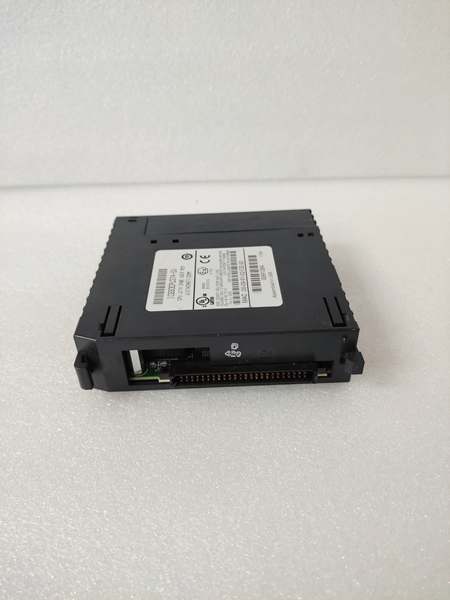
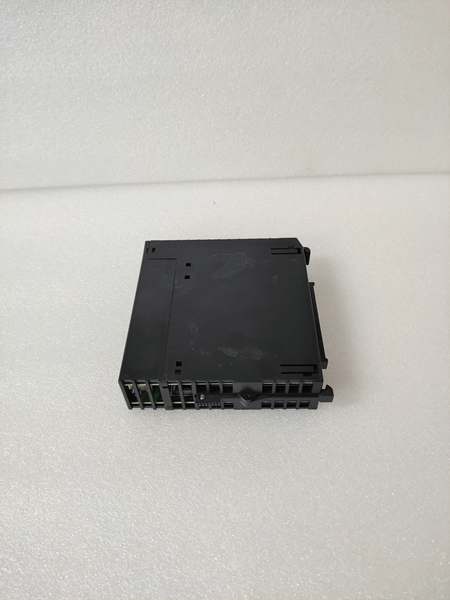
GE IC693CPU374
Field Service Pitfalls: What Rookies Get Wrong
Port 2 Default Configuration Lockout
Most new techs power up with Port 2 (DB-9 Programmer Port) set to “Configuration Mode” (DIP SW1-3 OFF), which locks out LogicMaster connections. They waste hours swapping cables when the CPU is actually blocking the connection.
Field Rule:Set DIP SW1-3 to ON before applying power to enable “Run Mode” with full programming access via Port 2. Power-cycle after changing DIP switches.
Backplane Current Budget Overload
A -JY draws about 1.1A at 5V on the backplane. Stuffing a full 10-slot rack with mixed analog modules (4-20mA input cards draw 400-700mA each) can exceed the power supply’s 5V rating, causing intermittent CPU resets or brownouts.
Field Rule:Calculate total 5V backplane current before adding modules. A single PS in a 10-slot rack is often insufficient with this CPU plus analog I/O.
Serial Ground Loops on RS-485 Port 1
Plugging RS-485 into Port 1 without proper shield termination or grounding creates massive ground loop noise, corrupting SNPX or Modbus RTU packets. The red COMM LED will flash erratically, and HMI data will drop.
Field Rule:Use a dedicated RS-485 isolator/repeater for runs over 50 feet, and terminate the shield at one end only—typically at the controller cabinet, not at the field device.
Battery Failure and Program Loss
When the lithium battery dies, the CPU loses retentive registers and configured parameters on power-down. Some techs ignore the BATT LOW LED until it’s too late—after a planned outage wipes critical setup data.
Field Rule:Replace the battery every 2-3 years proactively, and always upload the program to a PC before any scheduled shutdown. Use the “Save to EEPROM” function if available for critical parameters.
Commercial Availability & Pricing Note
Please note: The listed price is for reference only and is not binding. Final pricing and terms are subject to negotiation based on current market conditions and availability.