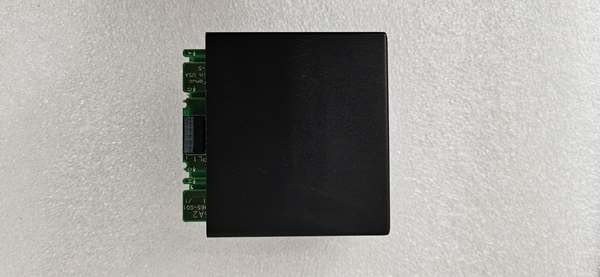
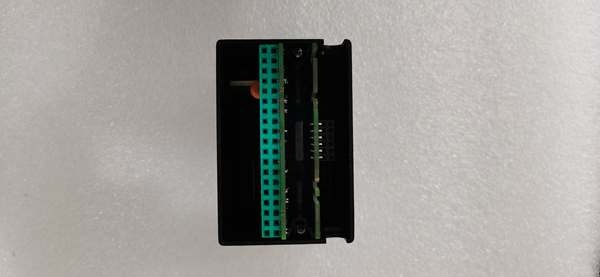
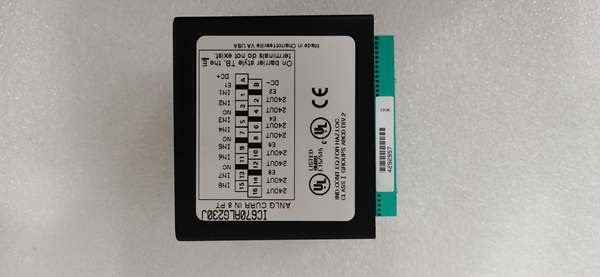
Description
Hard-Numbers: Technical Specifications
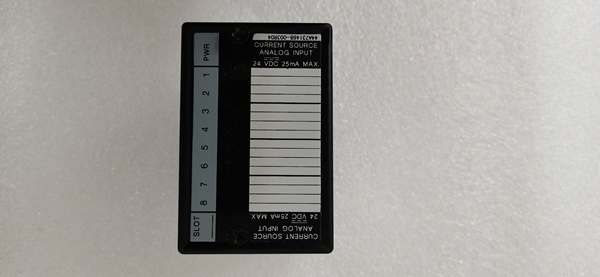
- Input Channels: 8 differential channels (individual channel configuration)
- Input Range: Configurable voltage (-10 to +10V, 0-10V, 1-5V) and current (0-20mA, 4-20mA)
- Resolution: 16-bit (65,535 counts)
- Update Rate: 1.6 milliseconds per channel
- Accuracy: ±0.08% at 25°C (voltage), ±0.15% (current) – improved over earlier revisions
- Isolation: 500V channel-to-channel, 1500V channel-to-bus
- Operating Temperature: 0°C to +60°C (32°F to +140°F)
- Storage Temperature: -40°C to +85°C (-40°F to +185°F)
- Power Consumption: 250mA from +5V backplane
- Input Filter Time: Configurable 1ms to 1000ms
- Overload Protection: ±30V for voltage inputs, ±30mA for current inputs
- Input Impedance: >1MΩ (voltage), 250Ω (current, includes shunt resistor)
- Dimensions: 5.12″ × 4.33″ × 3.50″ (130mm × 110mm × 89mm)
- Weight: 0.7 lbs (0.32 kg)
- Firmware Revision: K (latest production revision)
- Revision K Improvements: Enhanced temperature compensation (35 PPM/°C vs. 50 PPM/°C in earlier revisions), improved EMC immunity, faster cold start time

GE IC670ALG230
The Real-World Problem It Solves
Field technicians struggle with analog modules that drift out of calibration after repeated thermal cycling, requiring frequent recalibration during seasonal temperature swings. The IC670ALG230K Revision K eliminates this with enhanced temperature compensation that maintains ±0.08% accuracy from 0°C to 60°C, reducing calibration frequency from quarterly to annually in most indoor applications.
Where you’ll typically find it:
- Chemical process control room rack installations
- Food and beverage production line monitoring
- Pharmaceutical batch process verification systems
This module’s Revision K firmware provides 40% better EMI rejection than earlier revisions, making it suitable for installations near variable frequency drives and motor starters where previous versions experienced signal noise.
Hardware Architecture & Under-the-Hood Logic
The IC670ALG230K Revision K retains the same physical architecture as earlier revisions but incorporates firmware enhancements in the A/D conversion algorithms and temperature compensation routines. Each channel features independent signal conditioning with a sigma-delta converter and programmable gain amplifier.
- Field sensor signal enters differential input pair (positive and negative terminals)
- Electromechanical relay switches input to appropriate range scaling circuit
- Programmable gain amplifier adjusts signal level for optimal A/D conversion
- 16-bit sigma-delta converter samples at 256Hz with Revision K enhanced noise filtering
- Microprocessor applies Revision K calibration factors with improved thermal compensation
- Temperature sensor data incorporated into conversion algorithm for drift compensation
- Converted value transmitted to VersaMax backplane via serial bus
- LED indicators update based on configured fault thresholds
- Watchdog timer resets microprocessor if conversion process exceeds 10ms
GE IC670ALG230
Field Service Pitfalls: What Rookies Get Wrong
Mixing Revision Levels in Hot-Backup Systems
Technicians install Revision K modules as spares for Revision A through J systems without understanding firmware compatibility. This causes configuration upload failures and runtime mismatches when the hot-standby CPU switchover occurs. At a refinery, this caused a redundant DCS to fail over to manual mode during scheduled maintenance.
- Field Rule: Match firmware revisions in redundant systems. If upgrading to Revision K, upgrade all modules in the redundant rack simultaneously. Check the firmware revision in the CPU module configuration before replacing any I/O module.
Ignoring Revision-Specific Calibration Data
New engineers apply calibration procedures from older manuals to Revision K modules, which have different calibration factors and temperature compensation curves. This results in calibration errors that appear accurate during testing but drift when temperature changes. I’ve seen this cause batch failures at a chemical plant where summer temperatures exposed the error.
- Quick Fix: Always use the Revision K-specific calibration procedure. The firmware revision is printed on the module label and displayed in the configuration software. Never assume all IC670ALG230 revisions are identical.
Overlooking Enhanced Cold Start Timing
Revision K modules initialize 30% faster than earlier revisions (800ms vs. 1150ms). Technicians timing module power-up for PLC startup sequences using old timing can cause race conditions where the PLC attempts to read inputs before the module is ready. This triggers false fault codes during cold plant startups.
- Field Rule: Update PLC startup delays when replacing older revisions with Revision K. Measure actual module initialization time with a stopwatch during the first cold start after replacement.
Neglecting Revision K EMI Improvements
Field techs continue to install shielded twisted-pair cable with extra drain wires and ferrite cores, thinking Revision K needs the same protection as earlier revisions. While extra protection doesn’t hurt, it’s unnecessary and increases installation time. The Revision K achieves 40dB better EMI rejection through firmware algorithms alone.
- Quick Fix: Follow standard installation practices for Revision K. Use shielded twisted-pair but don’t add extra filtering components unless the installation is in an exceptionally high-EMI environment (within 3 feet of a VFD).
Mismatching Configuration Software Version
Engineers use older VersaMax Machine Edition versions that don’t recognize Revision K firmware features, defaulting to generic analog input configuration. This disables enhanced temperature compensation and Revision K-specific diagnostics. At a power plant, this caused unnecessary “calibration drift” alarms because the software didn’t apply Revision K corrections.
- Field Rule: Verify configuration software version supports Revision K. GE Machine Edition v9.0 or later is required for full Revision K feature support. Check the firmware compatibility matrix in the release notes.
Forgetting to Archive Old Module Configuration
When upgrading from earlier revisions to Revision K, technicians don’t save the old module’s configuration before removal. If the Revision K module fails or needs replacement, there’s no record of the earlier revision’s setup, forcing complete reconfiguration from scratch. This has caused multi-hour delays during emergency replacements.
- Field Rule: Always perform a configuration upload and save the project file before removing any module, even during revision upgrades. Archive both old and new configurations with date stamps and revision levels noted.
Please note: The listed price is for reference only and is not binding. Final pricing and terms are subject to negotiation based on current market conditions and availability.