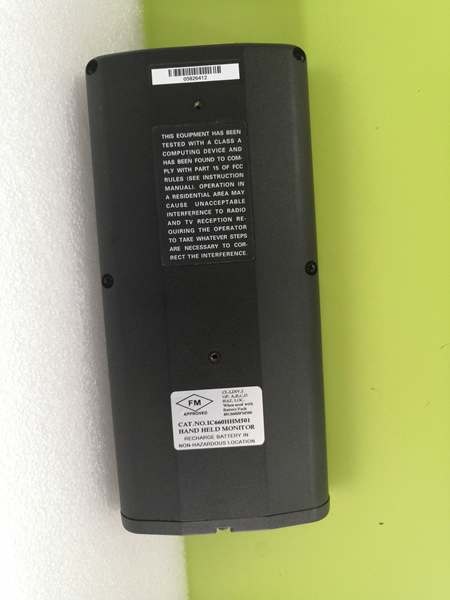
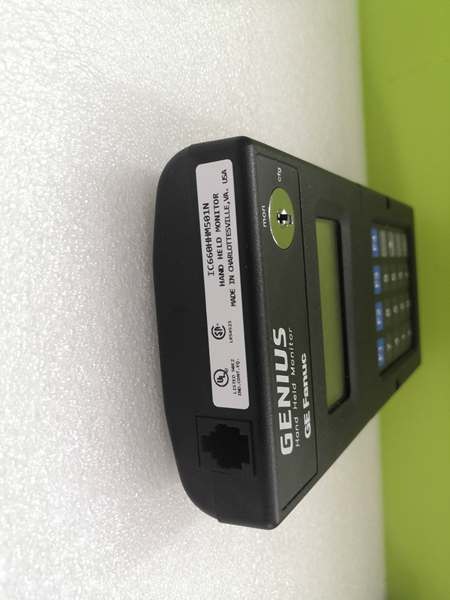
Description
Hard-Numbers: Technical Specifications
- Display: 16-character LCD backlit display (2 lines x 16 characters)
- Interface: RS-485 connector for Genius Bus connection
- Baud Rate: Supports 9600, 19200, 38400, 57600 bps auto-sense
- Operating Temperature: -40°C to +60°C (-40°F to +140°F)
- Hazardous Rating: Class I Div 2 Groups A, B, C, D; Class I Zone 1, Zone 2
- Enclosure: NEMA 4X (IP66) stainless steel housing
- Power Supply: 4 AA lithium batteries (approximately 60 hours continuous operation)
- Battery Life Indicator: Low battery warning with 15% remaining display
- Isolation Rating: 1500V RMS bus to operator
- Dimensions: 9.0″H x 4.5″W x 2.2″D
- Weight: 1.8 lbs (with batteries)
- Storage Temperature: -55°C to +85°C (-67°F to +185°F)
- Memory: 128K EEPROM for configuration storage

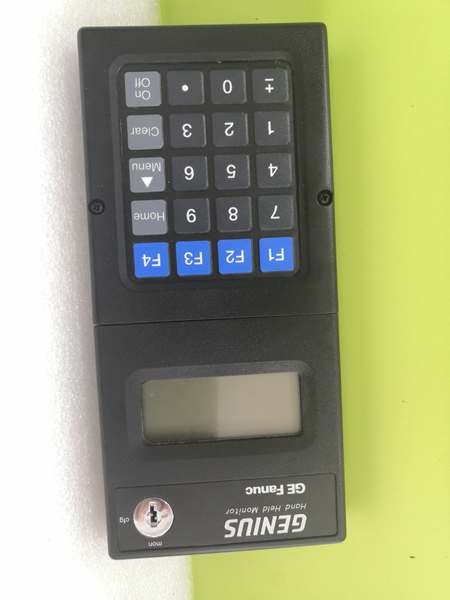
GE IC660HHM501
The Real-World Problem It Solves
Offshore oil platforms and chemical plants require diagnostic work in hazardous areas where standard tools cannot operate safely. The IC660HHM501H provides the same diagnostic capabilities as the standard HHM501 but with explosion-proof certification for use in explosive atmospheres without requiring hot work permits or shutdown procedures.
Where you’ll typically find it:
- Offshore drilling rig I/O system maintenance
- Chemical plant process area troubleshooting
- Refinery hydrogen production facility diagnostics
This tool eliminates the need to shut down production for diagnostic work in hazardous environments.
Hardware Architecture & Under-the-Hood Logic
The IC660HHM501H contains a dedicated microprocessor in an explosion-proof enclosure that decodes Genius Bus protocol packets while preventing spark generation. The sealed design prevents gas ingress and provides thermal protection for internal electronics in extreme environments.
- Connect RS-485 connector through sealed port to Genius Bus
- Explosion-proof power regulation circuit provides safe battery power
- Microprocessor auto-detects bus baud rate and monitors traffic
- Packet decoder extracts module IDs, health status, and diagnostic codes
- Menu system navigates through network topology and fault listings
- LCD displays real-time bus statistics and module-specific data through sealed window
GE IC660HHM501
Field Service Pitfalls: What Rookies Get Wrong
Forgetting HazLoc Permit RequirementsTechnicians sometimes carry the HHM501H into Class I Division 1 areas without proper permits, triggering safety shutdowns and OSHA violations. The “H” suffix is rated for Division 2, not Division 1 zones.
- Field Rule: Verify the hazardous area classification matches the tool rating before entering the work zone.
Sealed Port ContaminationNew engineers try to connect to bus ports that have accumulated corrosion or moisture in the threads. Forcing the connector can damage the sealed port and compromise the explosion-proof integrity of the tool.
- Quick Fix: Clean the bus port threads and connector pins with electrical contact cleaner before mating.
Using Standard BatteriesI’ve seen technicians substitute alkaline batteries for the required lithium cells in hazardous areas. Alkaline batteries can leak and create explosive gas buildup inside the sealed enclosure during high-temperature operations.
- Field Rule: Always use lithium batteries rated for hazardous locations per the manufacturer specification sheet.
Please note: The listed price is for reference only and is not binding. Final pricing and terms are subject to negotiation based on current market conditions and availability.