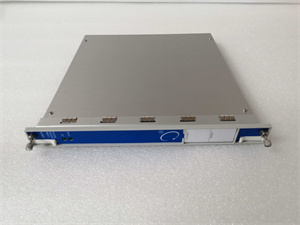
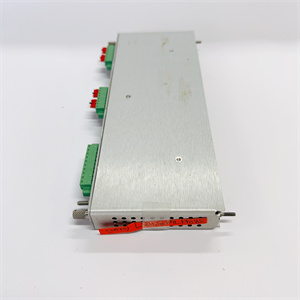
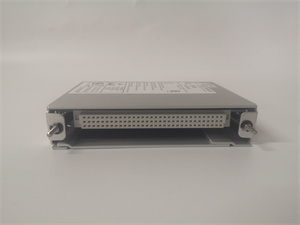
Description
DS3800HI0A1B1B: Product Overview
The board serves as a high-level input/output interface and isolation module within the Speedtronic Mark IV turbine control architecture. Positioned within the control rack assembly, this unit functions as a critical protective barrier between field instrumentation and the sensitive microprocessor-based control electronics. In the Mark IV’s triple modular redundant (TMR) system, this board operates within each independent control channel, ensuring that field signals are safely buffered and isolated while maintaining the signal integrity necessary for precise turbine control.
As a high-level I/O interface, the unit handles signal conditioning, level translation, and electrical isolation for analog and discrete field inputs and outputs. It receives high-level signals from field transmitters, switches, and sensors—typically 4-20mA, 0-10VDC, or 24VDC/125VDC discrete levels—and provides the galvanic isolation necessary to prevent ground loop currents and transient voltage spikes from reaching the central processing units. The board’s circuitry includes isolation amplifiers, optocouplers, or magnetic isolators that maintain signal fidelity while providing robust electrical separation.
The board features the 6BA02 form factor common to Mark IV I/O modules, with standard mounting hardware and alignment features that ensure proper insertion and retention in high-vibration turbine environments. High-density modular backplane connectors provide reliable interface with the Mark IV data bus while maintaining the physical robustness required for industrial power generation applications.
This board belongs to the DS3800 series of the Mark IV platform, deployed across heavy-duty gas turbines (Frame 3, 5, 6, 7, 9) and LM aeroderivative units. The platform’s distributed architecture relies on boards like this to provide the electrical isolation necessary to protect expensive microprocessor modules from the harsh electrical environment present in turbine control panels, where high-voltage switching, relay operation, and variable frequency drives generate substantial electrical noise.

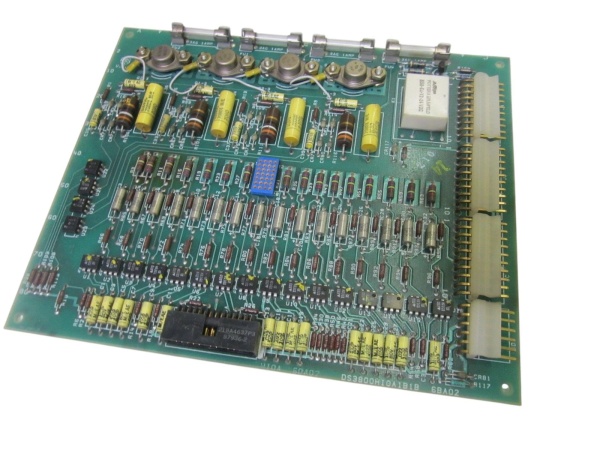
GE DS3800HI0A1B1B
DS3800HI0A1B1B: Technical Specifications
-
Model Number: DS3800HI0A1B1B
-
Manufacturer: General Electric
-
Product Type: High-Level Input/Output Interface Board
-
Series: GE Speedtronic Mark IV
-
Architecture: Triple Modular Redundant (TMR) compatible
-
Form Factor: 6BA02 standard Mark IV board format
-
Isolation Method: Optocoupler or transformer-based galvanic isolation
-
I/O Types: High-level analog (4-20mA, 0-10VDC) and discrete (24VDC/125VDC) signals
-
Channels: Multiple isolated I/O channels (typically 8-16 channels)
-
Signal Conditioning: Input buffering, level translation, and noise filtering
-
Backplane Interface: High-density modular connector (AMD 218A4553-1 compatible)
-
Protection: Transient voltage suppression and overcurrent protection on field side
-
Operating Temperature: -40°C to +70°C (industrial grade)
-
Storage Temperature: -40°C to +85°C
-
Humidity: 5% to 95% non-condensing
-
Vibration/Shock: 5 g vibration / 50 g shock (per Mark IV specifications)
-
Mounting: Standard Mark IV rack slot with retention hardware
-
Power Supply: Derived from Mark IV rack backplane (+5 VDC logic, isolated field power)
Part 4: Core Features & Customer Value
High-Level Signal Isolation for Equipment Protection:
The primary function of this board is to provide robust galvanic isolation between field wiring and sensitive control electronics. By utilizing optocouplers or isolation transformers, the board prevents ground loop currents—common in large industrial installations with multiple ground reference points—from corrupting measurements or damaging microprocessor circuits. This isolation is critical in turbine applications where high-voltage ignition systems, motor contactors, and switchyard transients can induce substantial common-mode voltages on signal lines. For facility managers, this protection extends the operational life of expensive central processor boards and reduces the risk of catastrophic failures caused by single-point electrical faults.
The primary function of this board is to provide robust galvanic isolation between field wiring and sensitive control electronics. By utilizing optocouplers or isolation transformers, the board prevents ground loop currents—common in large industrial installations with multiple ground reference points—from corrupting measurements or damaging microprocessor circuits. This isolation is critical in turbine applications where high-voltage ignition systems, motor contactors, and switchyard transients can induce substantial common-mode voltages on signal lines. For facility managers, this protection extends the operational life of expensive central processor boards and reduces the risk of catastrophic failures caused by single-point electrical faults.
Flexible High-Level I/O Handling:
The board accommodates standard industrial signal levels—including 4-20mA process signals, 0-10VDC analog outputs, and 24VDC or 125VDC discrete inputs—without requiring external signal conditioners. This high-level compatibility allows direct interface with field transmitters, limit switches, and auxiliary contactors commonly found in power plant environments. For commissioning engineers, this eliminates the need for additional interposing relays or signal converters, reducing panel wiring complexity and potential points of failure while accelerating startup schedules.
The board accommodates standard industrial signal levels—including 4-20mA process signals, 0-10VDC analog outputs, and 24VDC or 125VDC discrete inputs—without requiring external signal conditioners. This high-level compatibility allows direct interface with field transmitters, limit switches, and auxiliary contactors commonly found in power plant environments. For commissioning engineers, this eliminates the need for additional interposing relays or signal converters, reducing panel wiring complexity and potential points of failure while accelerating startup schedules.
Comprehensive Noise Immunity:
Integrated filtering and transient suppression circuitry on the field side of the isolation barrier attenuates electrical noise generated by variable frequency drives, relay switching, and high-voltage power distribution. This noise immunity ensures that low-level analog signals remain accurate despite the electromagnetically harsh environment typical of turbine control enclosures. The result is stable control loop performance without the drift, jitter, or false triggering that can occur when noise couples into unprotected control circuits, thereby reducing nuisance alarms and improving overall system reliability.
Integrated filtering and transient suppression circuitry on the field side of the isolation barrier attenuates electrical noise generated by variable frequency drives, relay switching, and high-voltage power distribution. This noise immunity ensures that low-level analog signals remain accurate despite the electromagnetically harsh environment typical of turbine control enclosures. The result is stable control loop performance without the drift, jitter, or false triggering that can occur when noise couples into unprotected control circuits, thereby reducing nuisance alarms and improving overall system reliability.
Hot-Swappable Maintenance Design:
The board supports replacement within the Mark IV TMR architecture, allowing technicians to restore I/O functionality without turbine shutdown. Standardized retention hardware ensures positive mechanical engagement despite the vibration environment, while the modular connector system facilitates rapid exchange during urgent repairs. Given the critical nature of turbine I/O availability and the obsolete status of the Mark IV platform, this maintainability ensures that protection and control functions can be restored quickly using available spare inventory, minimizing forced outage durations.
The board supports replacement within the Mark IV TMR architecture, allowing technicians to restore I/O functionality without turbine shutdown. Standardized retention hardware ensures positive mechanical engagement despite the vibration environment, while the modular connector system facilitates rapid exchange during urgent repairs. Given the critical nature of turbine I/O availability and the obsolete status of the Mark IV platform, this maintainability ensures that protection and control functions can be restored quickly using available spare inventory, minimizing forced outage durations.
Deterministic Signal Processing:
Designed for real-time control applications, the board processes high-level signals with deterministic timing that supports the Mark IV’s protective algorithms. Whether monitoring bearing vibration trip signals or controlling fuel valve positioner outputs, the isolation interface ensures that signals propagate through the barrier within microseconds, maintaining the timing precision necessary for safety-critical turbine protection functions. This predictable performance supports Safety Integrity Level (SIL) requirements and ensures that protective actions are not delayed by signal conditioning circuitry.
Designed for real-time control applications, the board processes high-level signals with deterministic timing that supports the Mark IV’s protective algorithms. Whether monitoring bearing vibration trip signals or controlling fuel valve positioner outputs, the isolation interface ensures that signals propagate through the barrier within microseconds, maintaining the timing precision necessary for safety-critical turbine protection functions. This predictable performance supports Safety Integrity Level (SIL) requirements and ensures that protective actions are not delayed by signal conditioning circuitry.
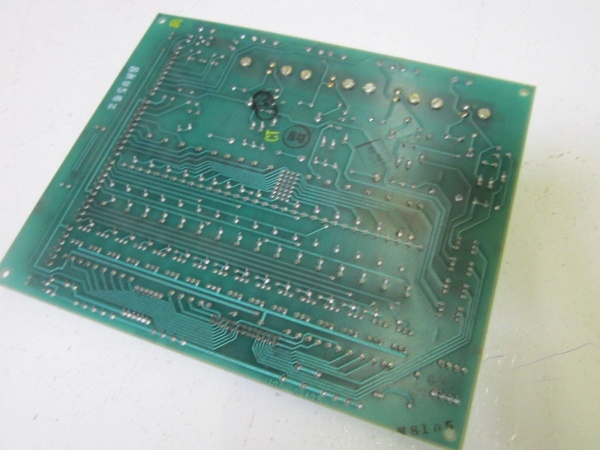
GE DS3800HI0A1B1B
Part 5: Typical Applications
Gas Turbine Auxiliary System Interface:
The DS3800HI0A1B1B is deployed in GE Frame 5, 6, and 7 gas turbines to interface with high-level field signals from auxiliary systems such as lube oil skids, hydraulic power units, and cooling water systems. In these applications, the board isolates 4-20mA signals from pressure transmitters and temperature sensors while providing discrete I/O for pump status switches and valve position indicators. The high-level signal handling accommodates the long cable runs typical of auxiliary system installations, where signals may be transmitted hundreds of feet from field equipment to the control rack.
The DS3800HI0A1B1B is deployed in GE Frame 5, 6, and 7 gas turbines to interface with high-level field signals from auxiliary systems such as lube oil skids, hydraulic power units, and cooling water systems. In these applications, the board isolates 4-20mA signals from pressure transmitters and temperature sensors while providing discrete I/O for pump status switches and valve position indicators. The high-level signal handling accommodates the long cable runs typical of auxiliary system installations, where signals may be transmitted hundreds of feet from field equipment to the control rack.
Steam Turbine Control Modernization:
In steam turbine retrofit applications within paper mills and petrochemical facilities, this board provides the isolation interface between existing field instrumentation and modern Mark IV controls. It handles the 1-5VDC or 4-20mA signals from legacy pneumatic transmitters and 125VDC discrete inputs from original equipment relay logic, providing the necessary isolation and level translation without requiring replacement of proven field devices. This compatibility reduces capital expenditure during modernization projects while ensuring that the new control system remains protected from the electrical characteristics of legacy wiring.
In steam turbine retrofit applications within paper mills and petrochemical facilities, this board provides the isolation interface between existing field instrumentation and modern Mark IV controls. It handles the 1-5VDC or 4-20mA signals from legacy pneumatic transmitters and 125VDC discrete inputs from original equipment relay logic, providing the necessary isolation and level translation without requiring replacement of proven field devices. This compatibility reduces capital expenditure during modernization projects while ensuring that the new control system remains protected from the electrical characteristics of legacy wiring.
Aeroderivative Package I/O Concentration:
For LM6000 and LM2500 units, the board manages the concentrated I/O requirements of compact aeroderivative packages, where multiple high-level signals must be interfaced in limited control cabinet space. The 6BA02 form factor allows dense packaging of isolation channels, maximizing I/O density per rack slot. The board handles the high vibration environment typical of aeroderivative installations while maintaining signal integrity for critical package monitoring functions such as inlet guide vane position and fuel forwarding system status.
For LM6000 and LM2500 units, the board manages the concentrated I/O requirements of compact aeroderivative packages, where multiple high-level signals must be interfaced in limited control cabinet space. The 6BA02 form factor allows dense packaging of isolation channels, maximizing I/O density per rack slot. The board handles the high vibration environment typical of aeroderivative installations while maintaining signal integrity for critical package monitoring functions such as inlet guide vane position and fuel forwarding system status.
Safety Instrumented System (SIS) Signal Isolation:
Within the Mark IV’s integrated protection architecture, this board provides the isolated interface for safety-critical inputs such as emergency stop buttons, overspeed trip devices, and vibration shutdown switches. The robust isolation ensures that faults in the field wiring—such as accidental contact with high voltage—cannot propagate into the safety logic solvers, maintaining the integrity of protective functions. The deterministic response ensures that safety signals are transmitted without delay, supporting the rapid trip response times required for turbine overspeed protection and emergency shutdown systems.
Within the Mark IV’s integrated protection architecture, this board provides the isolated interface for safety-critical inputs such as emergency stop buttons, overspeed trip devices, and vibration shutdown switches. The robust isolation ensures that faults in the field wiring—such as accidental contact with high voltage—cannot propagate into the safety logic solvers, maintaining the integrity of protective functions. The deterministic response ensures that safety signals are transmitted without delay, supporting the rapid trip response times required for turbine overspeed protection and emergency shutdown systems.
Excitation and High Voltage Auxiliary Control:
The board interfaces with high voltage auxiliary equipment such as excitation system status inputs, field breaker position switches, and generator protection relay contacts. It provides the necessary isolation to safely interface 125VDC station battery circuits with the low-voltage Mark IV logic, preventing ground faults in the high voltage DC system from affecting control electronics. This isolation is critical for maintaining generator voltage regulation and protective functions during grid disturbances or equipment faults.
The board interfaces with high voltage auxiliary equipment such as excitation system status inputs, field breaker position switches, and generator protection relay contacts. It provides the necessary isolation to safely interface 125VDC station battery circuits with the low-voltage Mark IV logic, preventing ground faults in the high voltage DC system from affecting control electronics. This isolation is critical for maintaining generator voltage regulation and protective functions during grid disturbances or equipment faults.