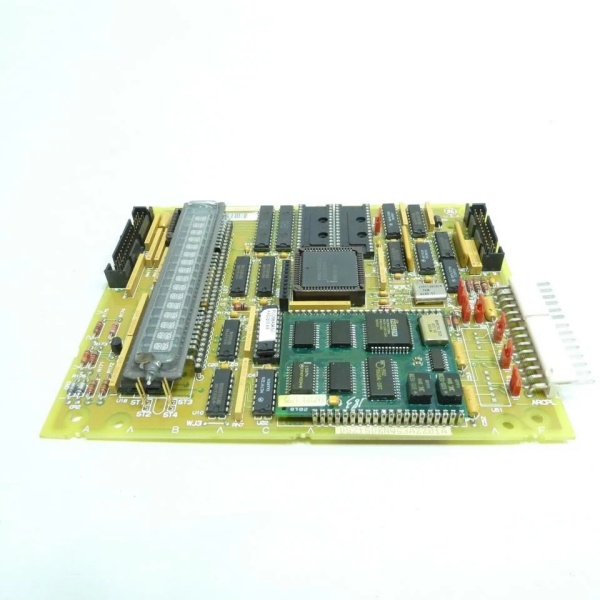
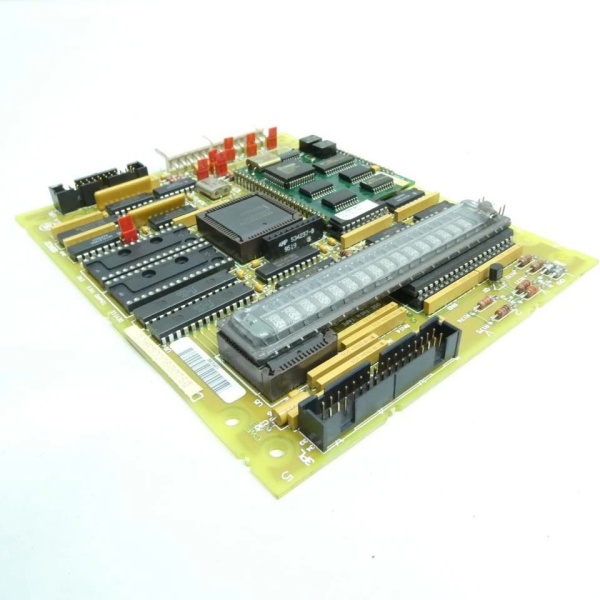
Description
Hard-Numbers: Technical Specifications
- Input Voltage: 125V DC nominal (90-140V DC range)
- Output Channels: 6 independent fused outputs
- Current Rating: 10A per channel / 60A total
- Fuse Type: 5×20mm cartridge, 2A-10A per channel (configurable)
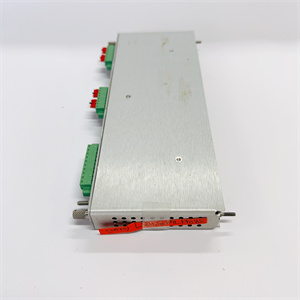
- Terminal Blocks: 2 blocks × 12 terminals each
- Isolation Rating: 1500V DC (input to output)
- Operating Temp: -40°C to +70°C
- Protection: Overcurrent, reverse polarity, short circuit
- LED Indicators: 6 channel status LEDs + 1 power LED
- Weight: 1.2 kg (2.65 lbs)
- Mounting: Backplane via standoff pins
- Compatible Controllers: DCFB, SDCI, RST, ext. I/O racks

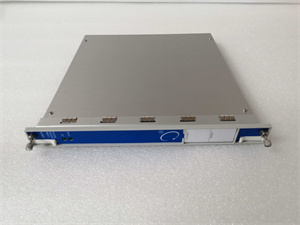
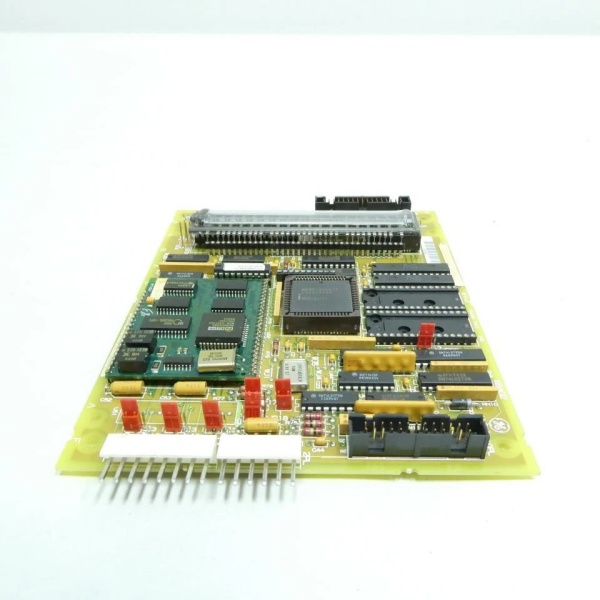
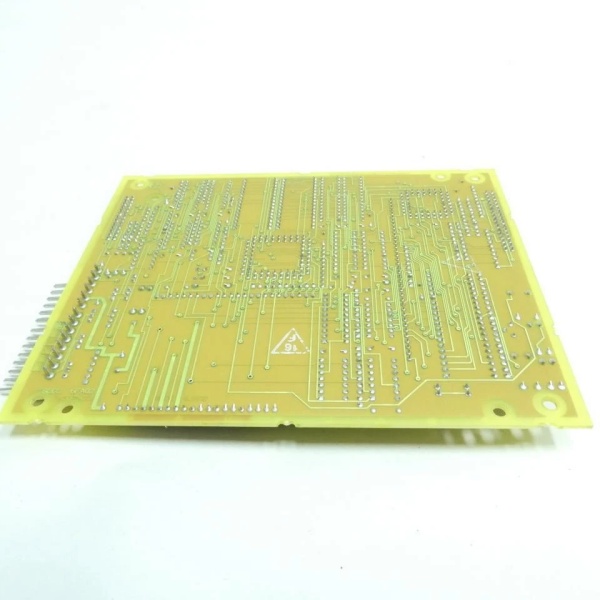
GE DS200SLCCG3ACC
The Real-World Problem It Solves
Control cabinets in power plants are a rat’s nest of power feeds. When you’ve got 20 solenoids, 12 positioners, and a half-dozen status indicators all pulling from the same bus, a single short takes down the whole rack. This board isolates outputs, monitors each channel, and gives you visual fault indication before the turbine trips.
Where you’ll typically find it:
- Mark V turbine control cabinets governing fuel and steam valves
- Emergency shutdown systems requiring redundant power feeds
- Lube oil and hydraulic control panels with multiple actuators
Bottom line: Distributed power control with channel-level fault isolation keeps critical controls online even when one device shorts to ground.
Hardware Architecture & Under-the-Hood Logic
This is a passive distribution board with active monitoring—no microprocessor, just solid-state protection circuits and discrete monitoring logic. Each channel has its own fuse, current shunt, and status comparator feeding the LED driver.
- 125V DC input enters via main terminal block and distributes to bus bar
- Each of 6 channels taps from bus bar through individual fuse holder
- Current shunts on each output feed to comparator circuits
- Overcurrent condition triggers LED fault indication without interrupting power
- Short circuit blows fuse, opening that channel only—other 5 remain live
- Reverse polarity protection diode on input prevents damage from miswiring
- Status LEDs provide real-time channel health monitoring at a glance
GE DS200SLCCG3ACC
Field Service Pitfalls: What Rookies Get Wrong
Mixing Fuse Ratings Across ChannelsI’ve seen techs swap a blown 2A fuse with a 10A spare “just to get it running.” Next thing you know, a 24V solenoid is pulling 8A and the wire insulation starts smoking before the fuse finally blows.
- Field Rule: Never exceed the factory fuse rating for the connected device. Label each channel with its correct fuse value when you commission the system.
Oversizing Wire Gauge on High-Current OutputsRunning 18AWG wire on a 10A channel because “that’s what we had in the truck.” Voltage drop kills the actuator, and the wire heats up under load.
- Quick Fix: Use 14AWG minimum for 10A circuits, 16AWG for 5-7A circuits. Calculate voltage drop: Vdrop = (2 × L × I × R) ÷ 1000. If it’s over 3%, go up a gauge size.
Ignoring the Ground Reference TerminalLeaving the chassis ground terminal floating because “it worked without it.” When a surge hits, the board finds a ground path through the communications bus and fries the controller.
- Field Rule: Always bond the chassis ground terminal to cabinet earth ground. Use a star washer to bite through paint on the cabinet backplate for solid contact.
Commercial Availability & Pricing Note
Please note: The listed price is for reference only and is not binding. Final pricing and terms are subject to negotiation based on current market conditions and availability.