Description
Key Technical Specifications
-
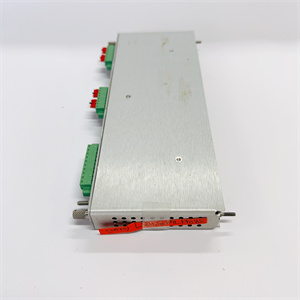
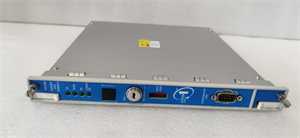
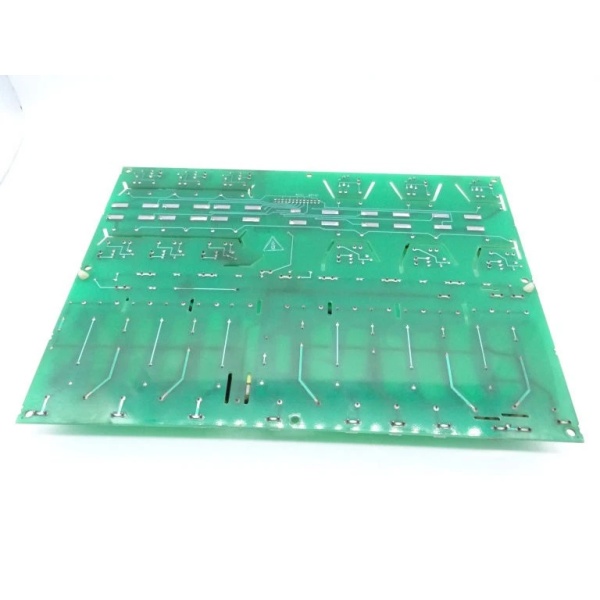
Model Number: DS200SDCIG1AGB
-
Manufacturer: General Electric
-
Logic Supply: +24 Vdc ±10 % input, 6 A max to back-plane
-
Gate Drive: ±15 V isolated, 2 A peak per IGBT leg
-
Analog Output: 12-bit isolated, ±10 V, 5 mA load
-
Servo Outputs: 2 channels, jumper-select 10-120 mA coil current
-
LVDT Interface: 6 differential inputs, 3-wire or 4-wire selectable
-
Pulse Inputs: 2 active 24 V rate channels for flow / speed
-
Connectors: Euro-Block high-density terminals, JR1/J5 to on-board ID chip
-
Isolation: 1500 Vdc field-to-logic
-
Operating Temperature: 0 – 60 °C board rating (system –28 °C to +55 °C)
-
Board Size: 28 × 21 cm (11 × 8.25 in), 0.96 kg
-
Repairability: Trace & component level; varistors & DC-DC caps serviceable

DS200PCCAG7ACB
Field Application & Problem Solved
A 7EA peaker static-start exciter needs three things from one slot: clean 24 V for the SDCC, ±15 V for the SCR gate cards, and a 12-bit analog loop back to the DCS. This board does all three. You land the field rheostat feedback on the Euro-Block, jumper the servo coil for 40 mA, and the Mark V now has a rock-solid 4–20 mA representation of exciter volts. When a lightning hit blows the on-board varistor you lose one channel, swap the card in five minutes, and you’re back to base load—no re-cal, no download. That’s why every EX2000 cabinet keeps a spare taped to the door.
A 7EA peaker static-start exciter needs three things from one slot: clean 24 V for the SDCC, ±15 V for the SCR gate cards, and a 12-bit analog loop back to the DCS. This board does all three. You land the field rheostat feedback on the Euro-Block, jumper the servo coil for 40 mA, and the Mark V now has a rock-solid 4–20 mA representation of exciter volts. When a lightning hit blows the on-board varistor you lose one channel, swap the card in five minutes, and you’re back to base load—no re-cal, no download. That’s why every EX2000 cabinet keeps a spare taped to the door.
Installation & Maintenance Pitfalls (Expert Tips)
Servo coil jumpers are NOT set-and-forget
Factory default is 40 mA. If your EHC valve needs 80 mA and you forget JP3, the actuator barely cracks open and you’ll chase “LOW FUEL FLOW” trips for a week. Photograph the old board before you pull it.
Servo coil jumpers are NOT set-and-forget
Factory default is 40 mA. If your EHC valve needs 80 mA and you forget JP3, the actuator barely cracks open and you’ll chase “LOW FUEL FLOW” trips for a week. Photograph the old board before you pull it.
DC-DC caps dry out at 55 °C
The on-board 47 µF, 35 V tantalums hit 50 °C inside an IP-54 cabinet. ESR doubles every 10 °C. After 40 k hours the 24 V rail sags and you’ll get random “SDCI UNDER-V.” Replace all four during major—five minutes of SMD beats a forced outage.
The on-board 47 µF, 35 V tantalums hit 50 °C inside an IP-54 cabinet. ESR doubles every 10 °C. After 40 k hours the 24 V rail sags and you’ll get random “SDCI UNDER-V.” Replace all four during major—five minutes of SMD beats a forced outage.
Euro-Block screws walk loose
High-density blocks use 2.5 mm screws. Vibration backs them out; next heat cycle the wire drops and you chase a phantom ground fault. Torque 5 in-lb and hit them again after the first thermal cycle.
High-density blocks use 2.5 mm screws. Vibration backs them out; next heat cycle the wire drops and you chase a phantom ground fault. Torque 5 in-lb and hit them again after the first thermal cycle.
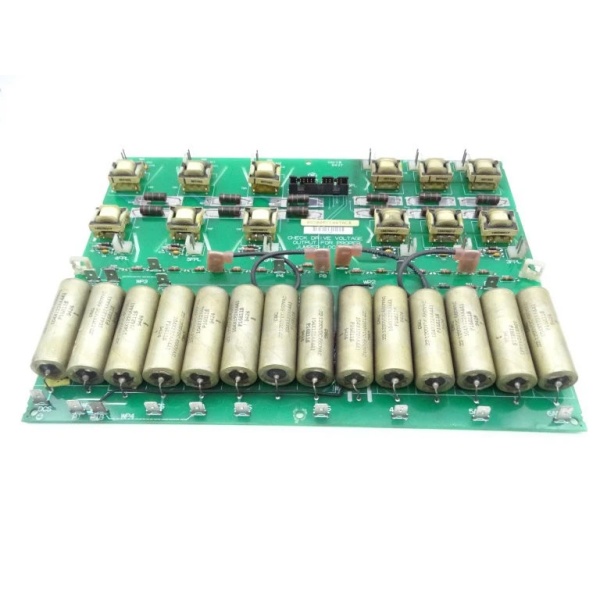
DS200PCCAG7ACB
ID chip connector is fragile
JR1/J5 carry the board-ID data; bend a pin and the Mark V throws “UNKNOWN SDCI” at boot. Line up the key, push straight, and never rock the plug side-to-side.
JR1/J5 carry the board-ID data; bend a pin and the Mark V throws “UNKNOWN SDCI” at boot. Line up the key, push straight, and never rock the plug side-to-side.
Technical Deep Dive & Overview
Internally the card is a triple-output forward converter plus analog signal chain. A 100 kHz switcher generates +24 V, ±15 V, and +5 V; each rail feeds its own fuse before exiting through the back-plane. A 12-bit DAC with isolated feedback provides the precision analog output, while two constant-current servo drivers deliver 10-120 mA into 24 V coils. Six differential amplifiers buffer LVDT signals and ship them to the SDCC A/D. No processor on the power path—just comparators—so you can hot-swap with the turbine on turning gear; the SDCC re-acquires feedback inside 100 ms
Internally the card is a triple-output forward converter plus analog signal chain. A 100 kHz switcher generates +24 V, ±15 V, and +5 V; each rail feeds its own fuse before exiting through the back-plane. A 12-bit DAC with isolated feedback provides the precision analog output, while two constant-current servo drivers deliver 10-120 mA into 24 V coils. Six differential amplifiers buffer LVDT signals and ship them to the SDCC A/D. No processor on the power path—just comparators—so you can hot-swap with the turbine on turning gear; the SDCC re-acquires feedback inside 100 ms
.