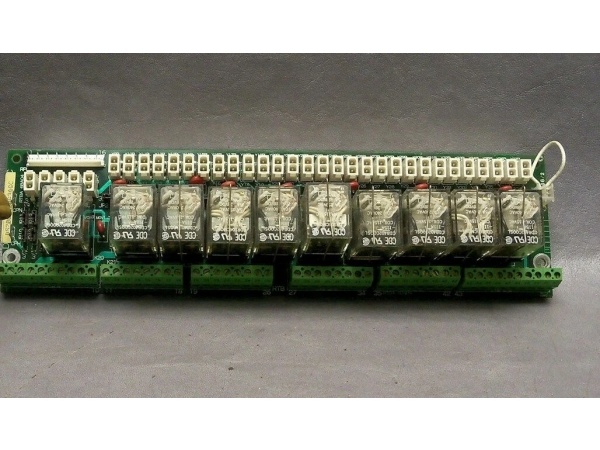
Description
Key Technical Specifications
-
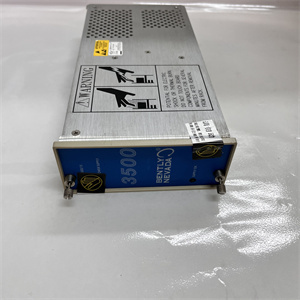
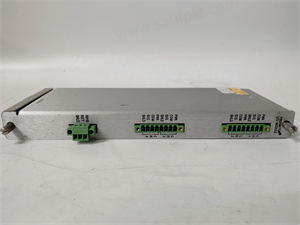
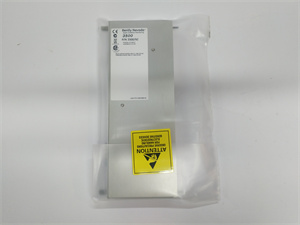
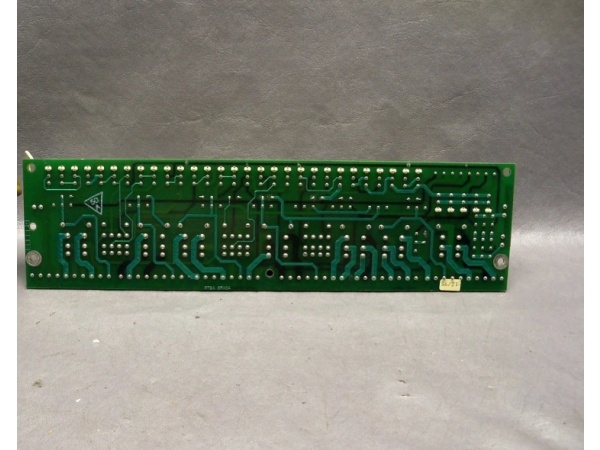
Model Number: DS200RTBAG5AHC
-
Manufacturer: General Electric
-
Relay Count: 10 (K20-K26 DPDT, K27-K29 4PDT) 10 A @ 28 VDC / 120 VAC
-
Coil Voltage: 24 VDC (±10 %) with integral 1N4007 flyback diode
-
Terminal Rating: Euro-style screw clamp, 6 mm wire, 15 A max
-
Isolation: 2 kV coil-to-contact, 500 V between contacts
-
Connectors: J1 16-pin logic, J2 2-pin coil bus, J3-J12 relay output
-
Indication: Green LED per relay, red common loss-of-coil-power LED
-
Operating Temperature: 0 – 60 °C with 200 LFM airflow
-
Coating: Enhanced (AHC) acrylic for paper-mill H₂S duty
-
Mounting: 6-inch rack slot, captive #6-32 screws, forced-air cooled rack

DS200RTBAG4AHC
Field Application & Problem Solved
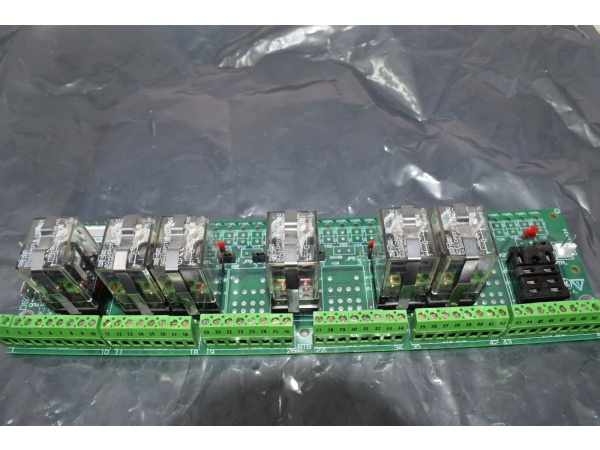
Static exciter and turbine-control panels always need more interposing relays—field breaker seal-in, under-voltage lockout, auxiliary trip coils. The original Mark V buried these functions across three different boards. The DS200RTBAG5AHC parks ten relays in one slot, gives you LED confirmation, and lands every contact on a Euro-style terminal strip so you can add or move logic without re-wiring the whole cubicle. I use it in frame 7EA static starters to isolate 125 VDC trip circuits from the 24 VDC CPU world; one card replaces four ice-cube relays and a handful of terminal blocks. The real win: when a contactor coil shorts you blow a GMT fuse on this board, not the CPU fuse—keeps the turbine online and saves you a three-hour fault hunt.
Static exciter and turbine-control panels always need more interposing relays—field breaker seal-in, under-voltage lockout, auxiliary trip coils. The original Mark V buried these functions across three different boards. The DS200RTBAG5AHC parks ten relays in one slot, gives you LED confirmation, and lands every contact on a Euro-style terminal strip so you can add or move logic without re-wiring the whole cubicle. I use it in frame 7EA static starters to isolate 125 VDC trip circuits from the 24 VDC CPU world; one card replaces four ice-cube relays and a handful of terminal blocks. The real win: when a contactor coil shorts you blow a GMT fuse on this board, not the CPU fuse—keeps the turbine online and saves you a three-hour fault hunt.
Installation & Maintenance Pitfalls (Expert Tips)
Don’t Over-Torque the Relay Sockets
The Omron MY4/MY4Z sockets snap in tight. If you reef on the retention tab you’ll crack the plastic and the relay will creep out under vibration—six months later you get random “TRIP CIRCUIT FAIL.” Seat until you hear the click, then stop.
The Omron MY4/MY4Z sockets snap in tight. If you reef on the retention tab you’ll crack the plastic and the relay will creep out under vibration—six months later you get random “TRIP CIRCUIT FAIL.” Seat until you hear the click, then stop.
Verify Coil Polarity Before Power-Up
The board diode is across the coil, not in series. Wire the coil bus backwards and you’ll pop the 3 A GMT fuse the instant the CPU pulls in K20. Check +24 on pin 1 of J2, not the other way around.
The board diode is across the coil, not in series. Wire the coil bus backwards and you’ll pop the 3 A GMT fuse the instant the CPU pulls in K20. Check +24 on pin 1 of J2, not the other way around.
Label Both Ends of Every Wire
Ten relays times four poles equals forty contacts. I print heat-shrink sleeves before landing the wire; sharpie wears off in six months and the next tech wastes a shift buzzing out contacts.
Ten relays times four poles equals forty contacts. I print heat-shrink sleeves before landing the wire; sharpie wears off in six months and the next tech wastes a shift buzzing out contacts.
Replace the Whole Relay, Not Just the Contact Set
Guys try to save ten bucks by swapping only the contact cartridge. The old coil still has 30 k hours on it and will fail the next outage—do the job once.
Guys try to save ten bucks by swapping only the contact cartridge. The old coil still has 30 k hours on it and will fail the next outage—do the job once.
DS200RTBAG4AHC
Technical Deep Dive & Overview
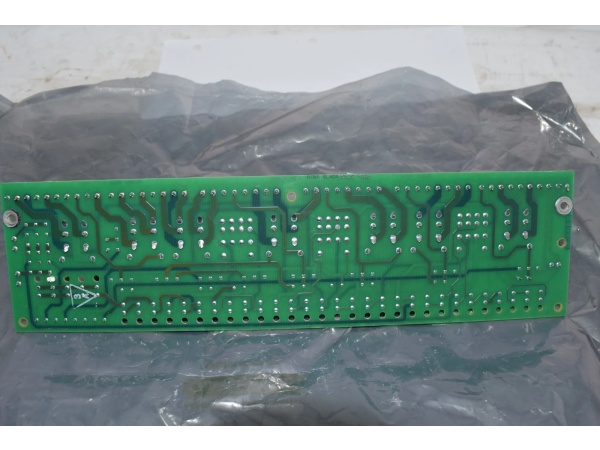
The DS200RTBAG5AHC is a Euro-card relay farm. A two-layer backplane brings 24 VDC coil power and 5 V logic; a PAL decodes three address lines so the CPU can assert any relay in <2 ms. Each relay socket includes a 1N4007 flyback diode and an RC snubber across the contacts—GE added those after early field units radiated enough EMI to corrupt the adjacent thermocouple board. Contacts route to individual Euro-clamp terminals: odd numbers = common, even = N.O., N.C. tied adjacent so you can wire seal-in or trip-coil circuits without extra blocks. The AHC revision uses thicker conformal coat and gold-plated edge fingers—cheap insurance against hydrogen-sulfide creep in paper-mill or geothermal sites.
The DS200RTBAG5AHC is a Euro-card relay farm. A two-layer backplane brings 24 VDC coil power and 5 V logic; a PAL decodes three address lines so the CPU can assert any relay in <2 ms. Each relay socket includes a 1N4007 flyback diode and an RC snubber across the contacts—GE added those after early field units radiated enough EMI to corrupt the adjacent thermocouple board. Contacts route to individual Euro-clamp terminals: odd numbers = common, even = N.O., N.C. tied adjacent so you can wire seal-in or trip-coil circuits without extra blocks. The AHC revision uses thicker conformal coat and gold-plated edge fingers—cheap insurance against hydrogen-sulfide creep in paper-mill or geothermal sites.