Description
Key Technical Specifications
-
Model Number: DS200PCCAG6ACB
-
Manufacturer: General Electric
-
Input Bus: 125 VDC / 600 VDC (frame-size dependent) from power shelf
-
Connectors: 12 keyed plug-in (J1-J12), 20 A per pin, 1000 V rated
-
Pre-Charge Output: 50 Ω, 200 W wire-wound, relay bypass at 90 % bus
-
Snubber Taps: RC (2 µF + 22 Ω) per phase, bolt-on ceramic caps
-
Bridge Arm Links: Laminated bus straps, 15 kA short-time rating
-
Isolation: 2.5 kV card-to-backplane, 1.5 kV connector-to-stray
-
Coating: Enhanced (ACB) acrylic for H₂S / humidity duty
-
Operating Temperature: 0 – 70 °C with 200 LFM airflow
- Mounting: 9-inch rack slot, captive #6-32 screws, forced-air cooled rack

GE DS200RTBAG3AGC
Field Application & Problem Solved
In AC2000 or EX2000 inverter cubicles the DC bus has to hit the bridge, the snubbers, the pre-charge resistor, and the gate power supply—four separate paths that used to mean bus-bar gymnastics and a dozen ring-lugs stacked on one bolt. The DS200PCCAG6ACB turns that mess into a plug-and-play interface. One card mounts on the rack, the 125 V or 600 V bus lands on two big J-plugs, and the board routes pre-charge current through the 50 Ω resistor until the contactor pulls in; after that the relay bypasses the resistor and feeds clean DC to the SCR or IGBT bricks. You’ll find it in frame 5/6 gas-turbine static starters and legacy paper-mill DC drives. The real value: you can swap the whole power-distribution section without un-bolting bus bars, and the pre-charge logic is built-in—no extra timer relay to drift out of spec.
In AC2000 or EX2000 inverter cubicles the DC bus has to hit the bridge, the snubbers, the pre-charge resistor, and the gate power supply—four separate paths that used to mean bus-bar gymnastics and a dozen ring-lugs stacked on one bolt. The DS200PCCAG6ACB turns that mess into a plug-and-play interface. One card mounts on the rack, the 125 V or 600 V bus lands on two big J-plugs, and the board routes pre-charge current through the 50 Ω resistor until the contactor pulls in; after that the relay bypasses the resistor and feeds clean DC to the SCR or IGBT bricks. You’ll find it in frame 5/6 gas-turbine static starters and legacy paper-mill DC drives. The real value: you can swap the whole power-distribution section without un-bolting bus bars, and the pre-charge logic is built-in—no extra timer relay to drift out of spec.
Installation & Maintenance Pitfalls (Expert Tips)
Torque the Bus Plugs Once, Then Again After 24 Hours
The ¼-inch studs on J1/J2 will cold-flow under the belleville washers. I torque to 25 lb-in, run the pre-charge cycle, then re-torque the next day. Skip the re-check and you’ll get a hot joint that carbon-tracks the plug housing.
The ¼-inch studs on J1/J2 will cold-flow under the belleville washers. I torque to 25 lb-in, run the pre-charge cycle, then re-torque the next day. Skip the re-check and you’ll get a hot joint that carbon-tracks the plug housing.
Check the Pre-Charge Relay Contacts Every Outage
The 24 VDC relay (OMRON G7L) carries the full pre-charge current. If contact resistance creeps above 50 mΩ the resistor stays in circuit and you trip on “BUS UNDERVOLT” at full load. Buzz it; if it’s high, swap the relay—five bucks beats a forced outage.
The 24 VDC relay (OMRON G7L) carries the full pre-charge current. If contact resistance creeps above 50 mΩ the resistor stays in circuit and you trip on “BUS UNDERVOLT” at full load. Buzz it; if it’s high, swap the relay—five bucks beats a forced outage.
Never Power-Up Without the Snubber Caps
The board ships with the snubber caps in a separate bag. If you forget to bolt them on the first SCR notch will spike 1500 V and blow the bridge. I tape the cap hardware to the J3 cover so it can’t be missed.
The board ships with the snubber caps in a separate bag. If you forget to bolt them on the first SCR notch will spike 1500 V and blow the bridge. I tape the cap hardware to the J3 cover so it can’t be missed.
Verify Frame-Size Jumpers Before You Close the Breaker
GE uses the same PCB for 125 V and 600 V frames. A 600 V unit has copper jumpers across JS1-JS3; if you install a 125 V jumper set in a 600 V rack the pre-charge resistor burns open in three seconds. Match the jumper map on the inner lid label.
GE uses the same PCB for 125 V and 600 V frames. A 600 V unit has copper jumpers across JS1-JS3; if you install a 125 V jumper set in a 600 V rack the pre-charge resistor burns open in three seconds. Match the jumper map on the inner lid label.
Technical Deep Dive & Overview
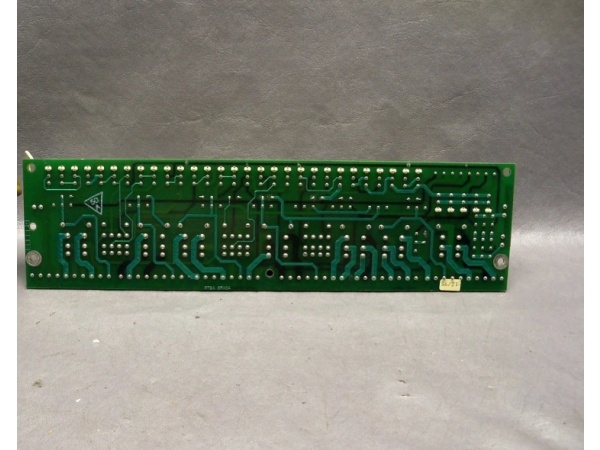
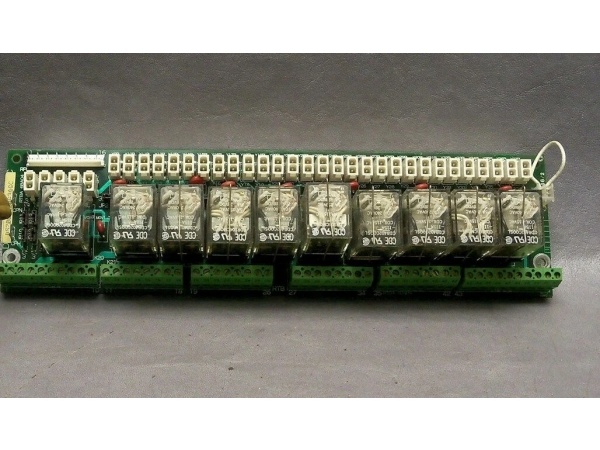
The DS200PCCAG6ACB is a passive distribution and pre-charge board built on a four-layer FR-4 card. Heavy copper (4 oz) internal planes carry the DC bus; external layers route 24 V pre-charge control and snubber RC nets. Twelve keyed plug connectors (J1-J12) accept 20 A per pin and are rated 1000 V so you can land the same card on either 125 V battery buses or 600 V regenerated links. A compact 24 VDC relay (G7L-2A-BUBJ) bypasses the 50 Ω wire-wound resistor once the bus reaches 90 % of nominal; the relay coil is driven by the Mark V contactor acknowledge signal, so the CPU always knows pre-charge status. Snubber networks (2 µF + 22 Ω) plug into J3-J8 and suppress dv/dt on SCR bridges; IGBT stacks leave those positions empty. The ACB revision adds thick acrylic conformal coat and swaps the original MYLAR caps for 105 °C polypropylene—cheap insurance against geothermal H₂S or paper-mill humidity.
The DS200PCCAG6ACB is a passive distribution and pre-charge board built on a four-layer FR-4 card. Heavy copper (4 oz) internal planes carry the DC bus; external layers route 24 V pre-charge control and snubber RC nets. Twelve keyed plug connectors (J1-J12) accept 20 A per pin and are rated 1000 V so you can land the same card on either 125 V battery buses or 600 V regenerated links. A compact 24 VDC relay (G7L-2A-BUBJ) bypasses the 50 Ω wire-wound resistor once the bus reaches 90 % of nominal; the relay coil is driven by the Mark V contactor acknowledge signal, so the CPU always knows pre-charge status. Snubber networks (2 µF + 22 Ω) plug into J3-J8 and suppress dv/dt on SCR bridges; IGBT stacks leave those positions empty. The ACB revision adds thick acrylic conformal coat and swaps the original MYLAR caps for 105 °C polypropylene—cheap insurance against geothermal H₂S or paper-mill humidity.