Description
Key Technical Specifications
-
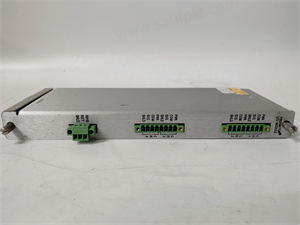
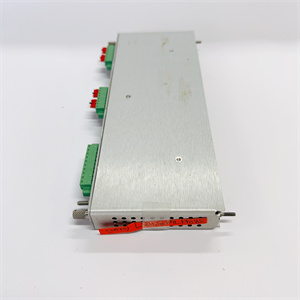
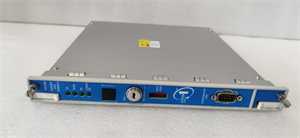
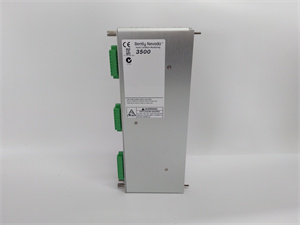
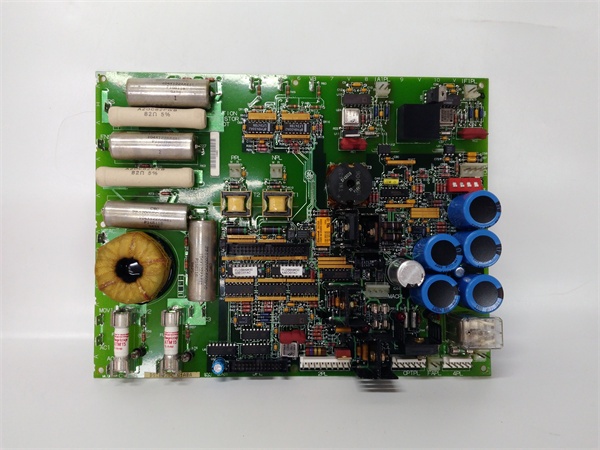
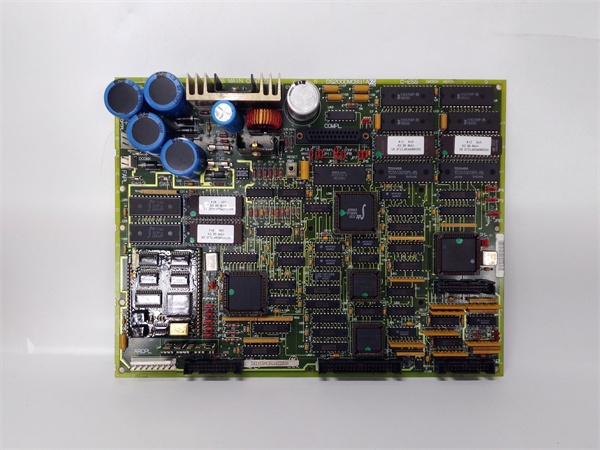
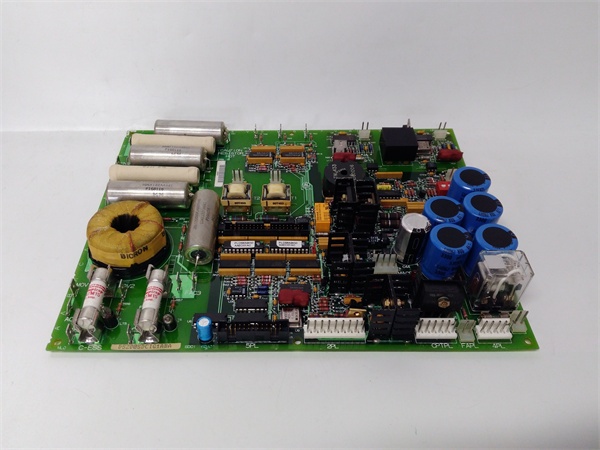
Model Number: DS200IMCPG1CDB
-
Manufacturer: General Electric
-
Input Voltage: 24 Vdc ±10 %
-
On-Board Fuses: 8 × 5 × 20 mm (armature, field, gate, logic rails)
-
Outputs: ±15 V isolated gate drive @ 2 A peak, +5 V logic @ 1 A
-
Communication: Modbus TCP/IP via front-panel RJ-45
-
Connectors: 1PL 40-pin to SDCC, two 3-pin Mate-N-Lock for 24 V in/out, 6-pin gate header
-
Isolation: 1500 Vdc input-to-output
-
Power Consumption: 10 W typical
-
Operating Temperature: –40 °C to +70 °C
-
Board Size: 4.4 × 6 in (112 × 152 mm), 0.47 kg
-
Mounting: 4-hole chassis mount; plugs into Mark V 2PL back-plane

GE DS200SDCIG1A
Field Application & Problem Solved
Steel-mill table drives run on 24 V battery float that’s nasty—ripple, load-dump spikes, and crane drop-outs. This board sits in the drive cabinet, eats the dirty 24 V, and gives the IGBT stack clean ±15 V gate power plus 5 V logic. Eight fuses protect every rail; when a shooter shorts, only the fuse blows, not the $8 k SDCC. The RJ-45 lets you pull fuse status, rail volts, and board temp into the plant DCS without extra gateways. Lose the IMCP and you lose gate power—no gate, no IGBTs, no rolled steel. Swap time is under two minutes; every mill keeps a spare taped inside the door.
Steel-mill table drives run on 24 V battery float that’s nasty—ripple, load-dump spikes, and crane drop-outs. This board sits in the drive cabinet, eats the dirty 24 V, and gives the IGBT stack clean ±15 V gate power plus 5 V logic. Eight fuses protect every rail; when a shooter shorts, only the fuse blows, not the $8 k SDCC. The RJ-45 lets you pull fuse status, rail volts, and board temp into the plant DCS without extra gateways. Lose the IMCP and you lose gate power—no gate, no IGBTs, no rolled steel. Swap time is under two minutes; every mill keeps a spare taped inside the door.
Installation & Maintenance Pitfalls (Expert Tips)
Fuse clips walk loose
Vibration backs the 5 × 20 clips off the fuse ends; you get random “GATE UNDER-V” that clears when you open the cabinet. Tug-test every fuse once a quarter; if the clip doesn’t bite, replace it.
Fuse clips walk loose
Vibration backs the 5 × 20 clips off the fuse ends; you get random “GATE UNDER-V” that clears when you open the cabinet. Tug-test every fuse once a quarter; if the clip doesn’t bite, replace it.
Gate-header index is soft plastic
Reverse the 6-pin plug and you ram +15 V into the –15 V pin—every IGBT in the stack fires at once and explodes. Line up the triangle mark with the silk-screen; tug-test before power-on.
Reverse the 6-pin plug and you ram +15 V into the –15 V pin—every IGBT in the stack fires at once and explodes. Line up the triangle mark with the silk-screen; tug-test before power-on.
24 V ripple kills the DC-DC
Battery chargers on gensets can push 3 Vpp ripple. The converter runs hot, folds back, and you chase intermittent “GATE FAIL.” Meter ripple at the Mate-N-Lock; if >1 % add an external 10 000 µF, 50 V cap across the input.
Battery chargers on gensets can push 3 Vpp ripple. The converter runs hot, folds back, and you chase intermittent “GATE FAIL.” Meter ripple at the Mate-N-Lock; if >1 % add an external 10 000 µF, 50 V cap across the input.
RJ-45 is live at 24 V potential
The RJ-45 shield is tied to board 0 V, which floats 24 V above earth. If you plug in a laptop with an grounded NIC you’ll short 24 V through the cable and blow the PHY. Use an isolated USB-Ethernet adapter or fiber media converter.
The RJ-45 shield is tied to board 0 V, which floats 24 V above earth. If you plug in a laptop with an grounded NIC you’ll short 24 V through the cable and blow the PHY. Use an isolated USB-Ethernet adapter or fiber media converter.
GE DS200SDCIG1A
Technical Deep Dive & Overview
Internally the card is a triple-output forward-converter plus fuse matrix. A 250 kHz switcher generates +15 V, –15 V, and +5 V; each rail hits its own fuse before exiting. A small PHY chip converts TTL Modbus from the SDCC into 10/100 Ethernet on the front RJ-45, letting you poll fuse state and rail voltages over TCP. No processor on the power path—just comparators—so you can hot-swap with the drive idling; the SDCC re-acquires gate feedback in <100 ms
Internally the card is a triple-output forward-converter plus fuse matrix. A 250 kHz switcher generates +15 V, –15 V, and +5 V; each rail hits its own fuse before exiting. A small PHY chip converts TTL Modbus from the SDCC into 10/100 Ethernet on the front RJ-45, letting you poll fuse state and rail voltages over TCP. No processor on the power path—just comparators—so you can hot-swap with the drive idling; the SDCC re-acquires gate feedback in <100 ms
.