Description
Key Technical Specifications
-
Model Number: DS200ACNAG1ADD
-
Manufacturer: General Electric (GE)
-
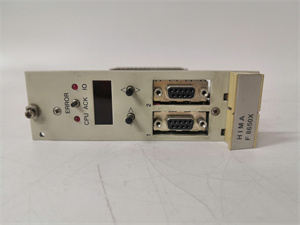
Function: ARCNET LAN repeater / coupler within Mark V rack
-
Power Supply: +5 VDC from back-plane; draws ≈ 0.3 A
-
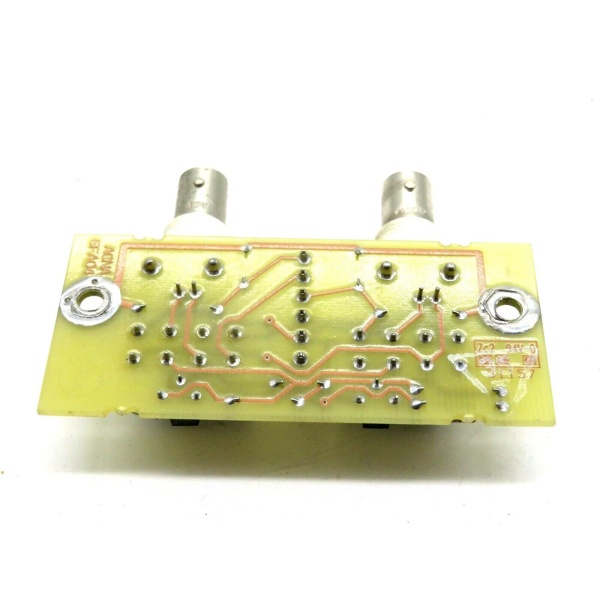
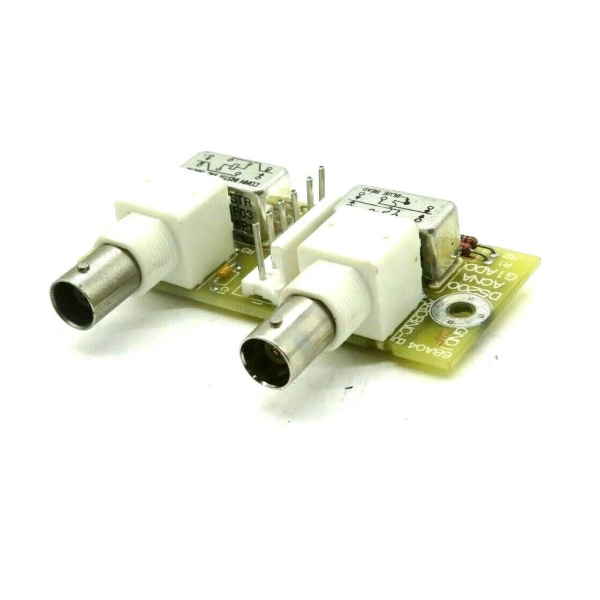
Communication Ports: 2 × BNC female (coax) for 75 Ω ARCNET segment
-
On-Board Relays: 2 × 58614 style, used for segment isolation / redundancy switching
-
Passive Components: 4 metal-film resistors, 3 capacitors, 1 diode
-
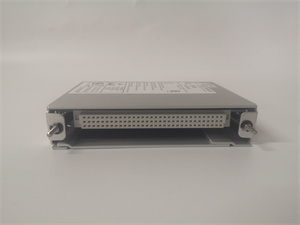
Connectors: 6-pin vertical header (logic), BNC A & B (LAN), 96-pin DIN for rack data
-
Isolation: 2 kV basic between LAN coax and logic ground
-
Operating Temperature: –40 °C…+85 °C
-
Dimensions / Weight: 110 × 60 × 67 mm, 0.14 kg
-
Status: Factory discontinued – new & tested spares available

Field Application & Problem Solved
In the field the biggest headache is losing the ARCNET coax segment—one crushed BNC and the whole Mark V rack drops off the operator console. The DS200ACNAG1ADD sits in the card-file and acts as a passive repeater: signals flow from the main processor (LDCC) through the board’s BNCs to the HMI and back again. You’ll typically find one per card-file on Frame-7/9 peakers—swap time is two minutes with the unit on turning gear. Core value: it collapses a LAN repeater, segment isolator, and status LED into one 140-gram card you can carry in your pocket
In the field the biggest headache is losing the ARCNET coax segment—one crushed BNC and the whole Mark V rack drops off the operator console. The DS200ACNAG1ADD sits in the card-file and acts as a passive repeater: signals flow from the main processor (LDCC) through the board’s BNCs to the HMI and back again. You’ll typically find one per card-file on Frame-7/9 peakers—swap time is two minutes with the unit on turning gear. Core value: it collapses a LAN repeater, segment isolator, and status LED into one 140-gram card you can carry in your pocket
.
Installation & Maintenance Pitfalls (Expert Tips)
BNC Connectors Crack at 1 Nm – No More
The two right-angle BNCs are brass—over-tighten and the threads strip. Use a 7/16 wrench and stop when the collar seats; then tug-test the cable. A loose BNC gives “LAN timeout” that looks like a CPU fault
The two right-angle BNCs are brass—over-tighten and the threads strip. Use a 7/16 wrench and stop when the collar seats; then tug-test the cable. A loose BNC gives “LAN timeout” that looks like a CPU fault
.
Relay Coils Are 5 V – Don’t Hot-Swap at 28 V
The on-board 58614 relays are rated 5 VDC. If you jumper the coil to 28 V they weld closed and the segment stays isolated—HMI never comes back. Verify jumper position before you insert the card
The on-board 58614 relays are rated 5 VDC. If you jumper the coil to 28 V they weld closed and the segment stays isolated—HMI never comes back. Verify jumper position before you insert the card
.
Card Is Passive – No LED Doesn’t Mean Dead
There are no status LEDs; if the LAN is down the only clue is “comm-loss” on the HMI. Scope the BNCs for 2.5 MHz ARCNET bursts—no signal means the coax or the card is open
There are no status LEDs; if the LAN is down the only clue is “comm-loss” on the HMI. Scope the BNCs for 2.5 MHz ARCNET bursts—no signal means the coax or the card is open
.
Spare Lead-Time Is 6-8 Weeks – Keep One on the Shelf
Factory stock is gone; new & tested spares are available but not overnight. If you crack a BNC or burn a relay you’ll be down until the part arrives—keep one in stores or you’ll discover the weakness during the next forced outage
Factory stock is gone; new & tested spares are available but not overnight. If you crack a BNC or burn a relay you’ll be down until the part arrives—keep one in stores or you’ll discover the weakness during the next forced outage
.
Technical Deep Dive & Overview
Internally the card is a passive repeater—no CPU, no firmware. The 75 Ω coax path runs through the relays for segment isolation; the 6-pin header carries 5 V and logic enable. Lose the 5 V and the relays drop out, splitting the LAN ring. Swap takes two minutes: pull the old card, land the BNCs exactly where they came from, snap the 96-pin connector, and the HMI reappears—no software reload required
Internally the card is a passive repeater—no CPU, no firmware. The 75 Ω coax path runs through the relays for segment isolation; the 6-pin header carries 5 V and logic enable. Lose the 5 V and the relays drop out, splitting the LAN ring. Swap takes two minutes: pull the old card, land the BNCs exactly where they came from, snap the 96-pin connector, and the HMI reappears—no software reload required
.